10 Best Aluminum Parts Manufacturers Worldwide?
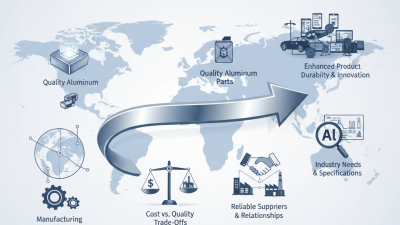
Aluminum Parts support aircraft frames, electric-vehicle housings, medical devices, and everyday machinery. Their importance is growing as manufacturers seek lighter structures, efficient heat transfer, and corrosion resistance. The International Aluminium Institute reported global primary aluminum production of approximately 72 million metric tons in 2024. That scale reflects a deep and competitive supply chain.
The market is substantial. Grand View Research estimates that the global aluminum market will continue expanding through 2030, supported by transportation, construction, packaging, and renewable-energy demand. However, raw-metal volume does not prove manufacturing quality. A reliable supplier must demonstrate process control, dimensional accuracy, material traceability, and consistent finishing. Certification matters too, especially ISO 9001, IATF 16949, AS9100, or ISO 13485 when the application requires stricter controls.
This guide examines ten leading Aluminum Parts manufacturers worldwide. The evaluation considers CNC machining, die casting, extrusion, forging, surface treatment, prototype support, production capacity, and inspection technology. It also reviews practical evidence, including equipment, engineering experience, published capabilities, and customer-service responsiveness.
No ranking is perfectly objective. Some companies disclose detailed production data, while others protect it. That gap can distort comparisons. A polished website is not enough. Real confidence comes from sample reports, tolerance records, alloy certificates, and visible factory discipline. Buyers should verify current capabilities directly before placing production orders. Small details matter. A burr, warped edge, or missing inspection record can become an expensive failure.
What Defines a Leading Aluminum Parts Manufacturer?
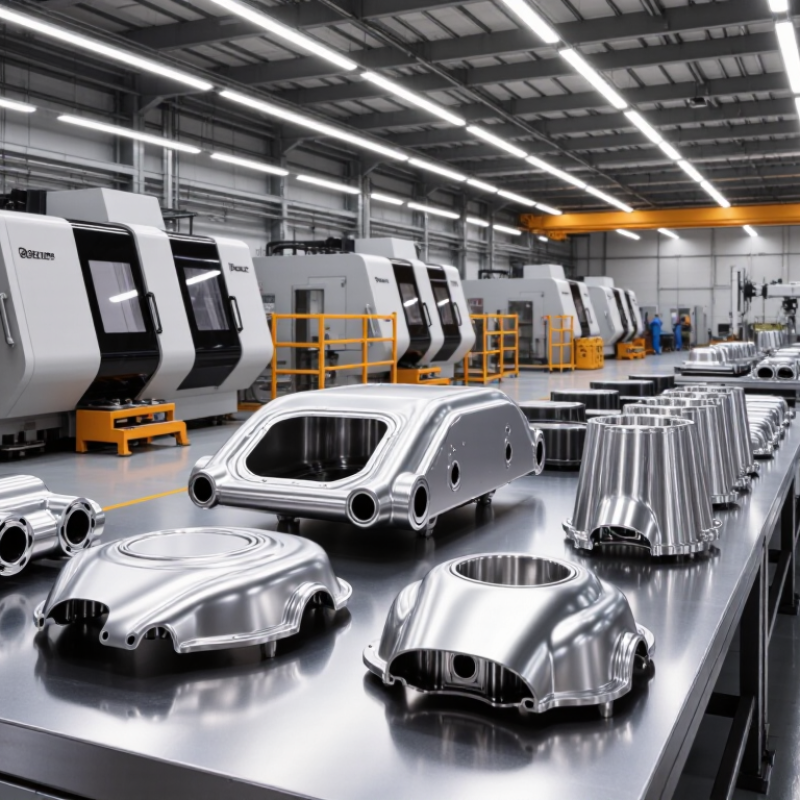
A leading aluminum parts manufacturer is defined by more than equipment or a low quotation. It should control the full path from alloy selection to final inspection. The US Geological Survey reported approximately 72 million metric tons of global primary aluminum production in 2024. That scale increases pressure on quality, energy use, and material traceability. Strong suppliers provide verified alloy certificates, calibrated measurement systems, and clear records for every production batch. They also understand casting, CNC machining, extrusion, and surface finishing in practical detail.
Consistency matters most.
In real projects, small defects can become expensive failures. A visible tool mark, uneven anodizing layer, or hidden pore may affect fit and service life. Reliable manufacturers use statistical process control, coordinate-measuring machines, and independent laboratory testing when necessary. ISO 9001 certification can support confidence, but it should not replace on-site evidence. The International Aluminium Institute states that recycling aluminum uses about 95% less energy than producing primary metal. Therefore, capable suppliers should report scrap recovery, recycled content, and environmental data honestly. Some reports still depend on estimates. That deserves reflection.
Tips: Ask for recent inspection reports, not only certificates. Request sample parts with measured tolerances. Check how rejected material is handled. Confirm production capacity with actual lead times. A useful supplier explains limitations before accepting the order. That is often a stronger sign of expertise than polished sales language.
Key Capabilities for Producing Precision Aluminum Components
10 Best Aluminum Parts Manufacturers Worldwide?
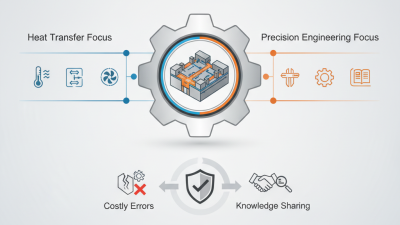
Precision aluminum components demand more than modern machinery. Experienced manufacturers combine process control, material knowledge, and careful inspection. They understand how alloy selection affects strength, corrosion resistance, machinability, and surface quality.
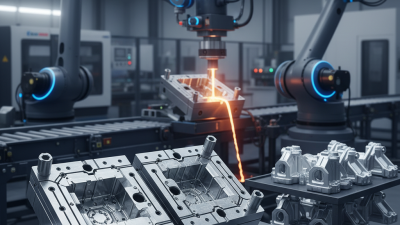
Strong suppliers usually offer CNC milling, turning, five-axis machining, die casting, or extrusion. Their equipment should support tight tolerances and repeatable production. Look for documented inspection procedures, calibrated measuring tools, and clear material certificates. Coordinate measuring machines can verify complex holes, flatness, and positional accuracy. Skilled engineers also review drawings before production. This prevents avoidable problems with thin walls, sharp internal corners, or difficult tool access. However, even capable teams can miss a design detail. That is why prototype testing remains valuable.
Tips: Ask about alloy traceability, tolerance capability, surface treatments, and inspection reports. Request sample parts when possible. Compare actual production evidence, not only equipment lists. Confirm how the supplier manages revision changes and nonconforming parts. A reliable manufacturer communicates early when a design may create distortion or excessive machining time. Clear communication matters.
Production scale is another important capability. A suitable partner should handle prototypes, small batches, and larger repeat orders without losing consistency. Packaging also deserves attention, especially for polished or anodized parts. Scratches can appear after final inspection. A strong process protects the component until assembly. Pricing alone can be misleading. Cheap parts may hide weak inspection or unstable process control.
10 Notable Aluminum Parts Manufacturers Worldwide
The ten notable aluminum parts manufacturers worldwide represent different production strengths. They include precision forging specialists in Japan, extrusion producers in Germany, aerospace machining facilities in the United States, and integrated casting plants in China. Other notable groups include automotive die-casting manufacturers in Italy, rail-component producers in India, battery-enclosure specialists in South Korea, low-carbon billet suppliers in Canada, architectural extrusion plants in Türkiye, and nearshore machining providers in Mexico.
Capability matters more than size.
According to the USGS Mineral Commodity Summaries 2024, global primary aluminum output reached about 70 million metric tons in 2023. China produced roughly 41 million tons. The International Energy Agency reports that aluminum contributes nearly 3% of global carbon dioxide emissions.
Therefore, buyers should examine recycled content, electricity sources, alloy traceability, and scrap recovery. A polished sample can still hide weak process control. I have seen specifications look complete, yet tolerance data remained unclear.
Tips:
Request material certificates, dimensional inspection records, and fatigue-test results before approval. Check whether the supplier controls casting, heat treatment, machining, and finishing internally. Ask for production evidence, not only brochures. A smaller plant may offer closer engineering support, but its backup capacity could be limited. Also confirm tooling ownership, delivery buffers, and corrective-action procedures. These details often separate a reliable parts manufacturer from a merely capable workshop.
Industries and Applications Served by These Manufacturers
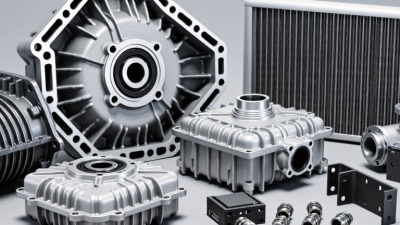
The 10 best aluminum parts manufacturers worldwide serve demanding industries with different technical priorities. Aerospace companies need lightweight brackets, seat frames, and structural fittings with documented material traceability. Automotive producers order engine housings, suspension components, battery trays, and heat-management parts. Each application requires more than aluminum alone. Alloy selection, wall thickness, dimensional tolerance, and surface treatment can affect safety and service life.
Construction and industrial equipment companies often use extruded rails, door frames, pump bodies, and machine guards. Manufacturers supporting these sectors usually combine CNC machining, die casting, extrusion, and anodizing. A workshop producing enclosure panels may focus on clean edges and repeatable hole patterns. A factory making hydraulic components may prioritize pressure testing and thread accuracy. Details decide.
Electronics manufacturers need compact heat sinks, shielding covers, and chassis parts that control temperature and electromagnetic interference. Renewable-energy projects use aluminum frames, inverter housings, and mounting structures because corrosion resistance reduces maintenance. Medical equipment makers may require smooth surfaces, controlled cleaning, and consistent batch records. Marine applications demand stronger protection against saltwater exposure.
Experience is visible in production records, inspection methods, and practical design feedback. Reliable manufacturers can explain how they manage tolerances, tooling wear, and rejected parts. Certifications help, but they do not replace evidence from samples and test reports. No supplier is perfect. A polished catalog can hide weak communication or inconsistent delivery. Buyers should compare prototype quality, response time, packaging, and long-term support before choosing a manufacturing partner.
How to Compare Aluminum Parts Suppliers for Your Project
Comparing aluminum parts suppliers requires more than checking unit price. The right choice depends on process control, material traceability, and delivery discipline. The USGS Mineral Commodity Summaries 2024 estimated global primary aluminum production at about 70 million metric tons in 2023. Large supply does not guarantee consistent parts. Ask suppliers for alloy certificates, heat numbers, and inspection records linked to each batch.
Review capability against your actual drawings. Can the supplier hold your stated tolerances after machining, anodizing, or heat treatment? Request sample parts, dimensional reports, and photographs of critical features. ISO 9001 certification supports quality management, but it does not replace process evidence. For aerospace work, AS9100 may be more appropriate. Also compare tooling ownership, engineering response time, minimum order quantities, and packaging methods. A low quotation can become expensive after rework, freight changes, or delayed approvals. This is where many evaluations become too optimistic.
Tips: Build a weighted scorecard before requesting quotations. Give quality, lead time, technical support, and total landed cost separate scores. Check at least three references from similar industries. Review a first-article inspection before scaling production. Do not assume recycled content always reduces cost; energy, sorting, and certification requirements can change the result. Leave room for uncertainty. A supplier may look excellent on paper, yet communication during a small trial order can reveal weaknesses. Compare evidence, not promises.
How to Compare Aluminum Parts Suppliers for Your Project
This neutral scorecard uses buyer-defined priorities commonly considered in aluminum parts sourcing. Quality and traceability receive the highest weighting because material certification, process control, and inspection records directly affect part reliability.
Use the percentages as a starting framework, then adjust them according to your part volume, tolerance requirements, alloy, surface finish, delivery schedule, and total landed cost. The chart does not represent the performance of any specific company or brand.

 +86-13516964051


 CONTACT NUMBER
 CONTACT NUMBER