What Are the 2026 Top Die Casting Parts for Global Buyers?
As global manufacturers plan their 2026 sourcing strategies, die casting remains important for producing strong, lightweight, and repeatable metal components. A Die Casting Part can support automotive systems, industrial equipment, consumer electronics, lighting products, and energy technologies. However, buyers should look beyond unit price. Alloy selection, wall thickness, dimensional tolerance, surface treatment, tooling life, and delivery stability often determine the real value.
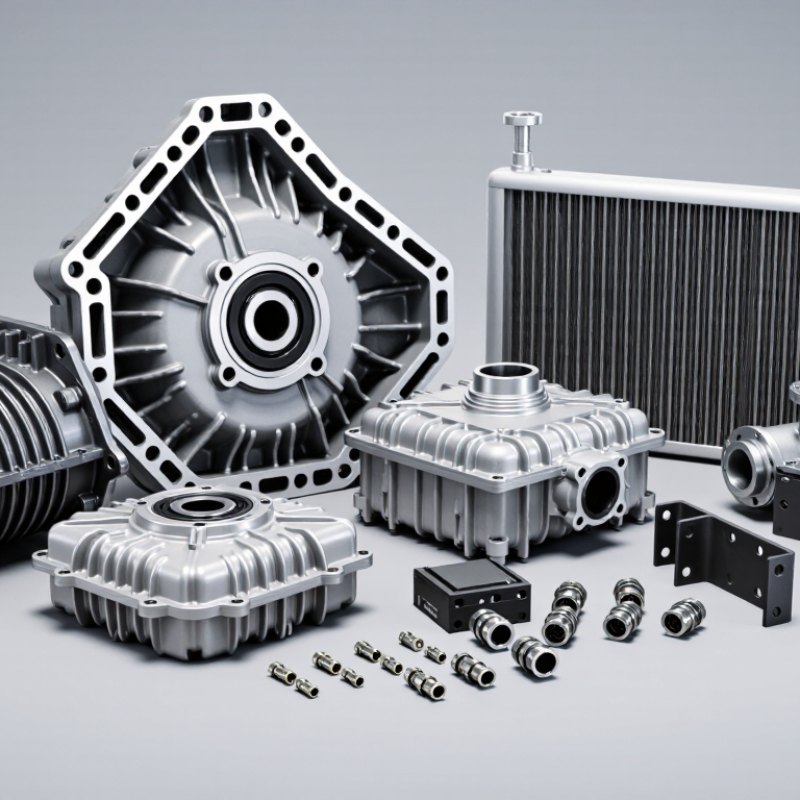
This introduction examines the die casting parts expected to attract global buying interest in 2026. Examples may include electric vehicle motor housings, battery covers, gearbox cases, heat sinks, pump bodies, connector shells, and structural brackets. Each application presents different demands. A heat sink needs reliable thermal performance. A battery cover needs accurate sealing surfaces. A gearbox case must maintain alignment under repeated loads. These details influence design approval and long-term production results.
Practical sourcing experience shows that successful buyers request samples, inspection records, material certificates, and clear process capabilities before placing large orders. They also review mold maintenance plans and secondary machining requirements. No ranking fits every market. That assumption can fail. Regional standards, shipping risks, and engineering support may change the best choice. Suppliers should provide transparent evidence rather than broad promises. Buyers should also question impressive specifications that lack test conditions. Some forecasts may prove incomplete as new alloys, recycling methods, and energy-efficient machines develop. Even so, careful technical evaluation can help global companies choose reliable parts, control risk, and build stronger supply chains for 2026.
Die Casting Parts: Definition, Materials, and Manufacturing Scope
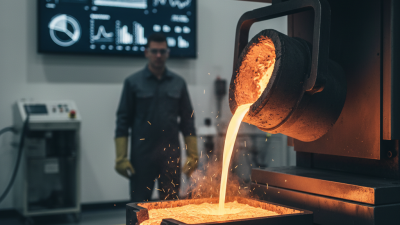
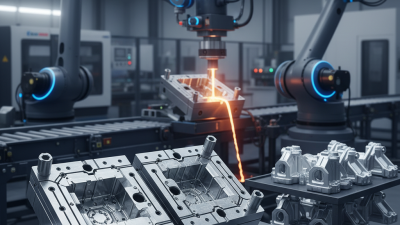
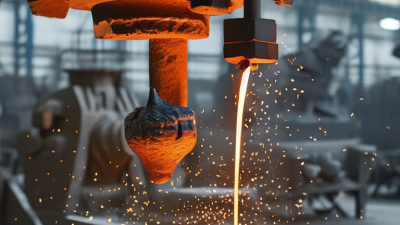
Die casting parts are metal components formed by forcing molten alloy into a reusable steel mold. High pressure fills narrow ribs, mounting holes, and detailed surfaces quickly. This process suits high-volume production, especially when consistent dimensions matter. In 2026, global buyers are examining housings, heat sinks, motor covers, brackets, structural nodes, and connector bodies.
Aluminum remains popular because it combines low weight, corrosion resistance, and useful thermal performance. Zinc supports fine details and stable tolerances for smaller components. Magnesium can reduce weight further, but handling and finishing require careful process control. Copper alloys serve applications needing strong electrical or thermal conductivity. Material choice should follow load, heat, conductivity, finish, and expected service life—not price alone.
The manufacturing scope extends from tooling design and alloy melting to injection, trimming, machining, finishing, inspection, and packing. Production teams typically monitor fill behavior, porosity, flash, hardness, and dimensional drift. A polished sample can mislead. Batch records, material certificates, and measurable inspection reports provide stronger evidence for international purchasing decisions. Some parts still need secondary drilling or sealing, which can change the real cost. Buyers should review drawings, tolerance zones, surface requirements, and annual volume before approving tooling. Small design changes, such as thicker corners or better draft angles, may improve casting stability. Yet even experienced teams sometimes discover defects after scaling production. That risk deserves an honest allowance.
Common die-casting alloys have distinct density profiles: magnesium is the lightest, while copper is the densest of these examples. Values are approximate typical material densities in g/cm³; actual values vary by alloy composition.
Key Factors Shaping Global Die Casting Part Demand in 2026
In 2026, demand for die casting parts will reflect more than unit price. Buyers are weighing weight, strength, delivery reliability, and the cost of finishing each component. Electric vehicles and compact industrial equipment continue to favor lightweight aluminum housings, brackets, and heat-management parts. Every gram matters, but not at any cost.
Design requirements are becoming more exact. Thin walls, tight tolerances, and integrated features can reduce assembly steps, yet they also make tooling and process control more demanding. Buyers increasingly ask suppliers to show inspection results, material traceability, and evidence of stable production. Small details count. A poorly controlled pore inside a housing may cause trouble long after shipment.
Supply resilience is another strong influence. Companies are comparing regional capacity, lead times, and access to recycled metal, rather than relying on one low-cost source. Energy use and scrap rates also affect purchasing decisions, especially for high-volume parts. Still, sustainability claims need numbers behind them. It is easy to overlook the extra cost of a complex design or a distant secondary operation. Buyers should test assumptions with sample parts and realistic production data. The best choice may not be the lightest casting or the cheapest quote, and that is worth reconsidering.
Top Die Casting Parts by Industry and Functional Application
In 2026, global buyers are looking beyond simple cast housings. In automotive and commercial mobility, structural brackets, battery trays, motor covers, and gearbox cases remain high-demand parts. These components combine thin walls, mounting bosses, and cooling channels in compact shapes. For electric platforms, thermal control matters as much as dimensional accuracy. A tray that distorts during casting can complicate cell alignment and sealing.
Industrial automation uses servo housings, robotic joints, pump bodies, and sensor enclosures. Their value lies in repeatable alignment, vibration resistance, and clean cable routing. Energy equipment buyers often specify inverter heat sinks, valve bodies, and connector shells.
Aluminum alloys support low weight and heat transfer, while zinc suits smaller parts needing fine detail. Functional application should guide alloy choice, not price alone. Not every lightweight part is better.
For appliances, lighting, and consumer equipment, die casting knobs, frames, hinges, and LED heat sinks need smooth surfaces and stable threads. Global sourcing teams should review fill-flow studies, porosity controls, machining allowance, coating compatibility, and inspection records before approving samples. CT scans or pressure tests may reveal defects hidden beneath a polished finish. Suppliers with documented process capability and traceability offer stronger evidence than attractive prototypes. Yet design reviews can still miss real assembly pressure. That gap deserves honest testing.
Quality, Standards, and Supply Requirements for International Buyers
What Are the 2026 Top Die Casting Parts for Global Buyers?
In 2026, global buyers will favor lightweight, precise, and traceable die casting parts. Common demand includes motor housings, battery trays, pump bodies, valve blocks, and structural brackets. Aluminum parts remain popular because they reduce weight and resist corrosion. Zinc castings suit small connectors, locks, and thin decorative components. Magnesium is gaining attention for selected automotive and electronics applications.
Quality requirements now reach beyond surface appearance. Buyers should request material certificates, dimensional reports, porosity test results, and batch traceability. ISO 9001-based quality systems provide a useful foundation. Automotive projects may require stronger process controls and documented approval procedures. RoHS and REACH compliance can also matter for international shipments. A certificate alone is not proof. Independent testing and factory records should support every important claim.
Supply reliability depends on more than quoted price. Ask about mold ownership, maintenance plans, production capacity, and backup equipment. Confirm realistic lead times for tooling, sampling, correction, and mass production. Packaging should prevent scratches, moisture, and deformation during long-distance transport. A detailed inspection plan should define sampling levels and rejection rules. Forecasts are often wrong. Buyers should discuss flexible order quantities and safety stock before signing contracts. One practical weakness remains common: some suppliers report excellent first samples but struggle with stable production. Regular audits, video inspections, and clear corrective-action records can expose that gap early.
How to Select Reliable Die Casting Parts and Global Suppliers
What Are the 2026 Top Die Casting Parts for Global Buyers?
In 2026, global buyers are seeking lightweight, heat-resistant, and tightly controlled die casting parts. Common demand includes electric motor housings, inverter cases, heat sinks, gearbox covers, pump bodies, and structural brackets. These parts often use aluminum or magnesium alloys. A thin wall may reduce weight, but it can also increase porosity and distortion risks. Production experience shows that attractive samples do not always predict stable mass production.
Selecting a reliable supplier requires more than comparing unit prices. Ask for alloy standards, dimensional inspection records, pressure testing results, and traceability from raw material to shipment. Check whether the supplier controls mold flow, vacuum assistance, trimming, machining, and surface treatment internally or through qualified partners. Clear tolerance discussions matter. A drawing may specify 0.05 mm, but the supplier should explain whether that tolerance is realistic after casting and machining. Request a small pilot run before approving full production. It may reveal hidden warpage, uneven coating, or weak threaded holes. These problems are inconvenient, yet discovering them early is far cheaper.
Tips:
Visit the factory when possible, even through a live video audit. Inspect casting cells, measuring equipment, storage areas, and packaging methods. Confirm production capacity during peak seasons. Review compliance documents for materials, worker safety, environmental controls, and destination-country requirements. Keep communication written and specific. A low quotation can be useful, but it may hide tooling limits or inspection gaps. Ask uncomfortable questions. That is often where reliability becomes visible.

 +86-13516964051


 CONTACT NUMBER
 CONTACT NUMBER