+86-13516964051


The global automotive supply chain is moving toward lighter, stronger, and more integrated components. Die Cast Car Parts support this shift, especially in transmission housings, battery trays, structural brackets, and engine components. OICA reported more than 93 million motor vehicles produced worldwide in 2023. That scale creates significant demand for consistent casting quality and dependable delivery.
Electric vehicles are changing the purchasing conversation. The International Energy Agency’s Global EV Outlook 2024 recorded nearly 14 million electric car sales in 2023. Many manufacturers now require larger aluminum castings, tighter dimensional control, and improved material traceability. Grand View Research’s automotive die-casting market analysis also identifies automotive manufacturing as a major demand sector. These reports provide useful direction, but they do not replace factory-level verification.
This article introduces ten Die Cast Car Parts suppliers with international capabilities. The evaluation considers production capacity, alloy expertise, tooling support, quality systems, delivery performance, and customer coverage. Certifications such as IATF 16949 and ISO 9001 are helpful indicators. They are not complete proof. Site audits still matter.
The ranking is not absolute. Supplier strengths vary by region, component size, alloy, and annual volume. Some public data remains limited, especially for privately owned manufacturers. That limitation deserves attention. A supplier with advanced machinery may still struggle with communication or prototype speed. Conversely, a smaller foundry may offer stronger engineering support and faster problem-solving. Readers should compare this overview with technical drawings, sample inspections, audit results, and total landed cost before making a final sourcing decision.
Top 10 Die Cast Car Parts Suppliers Worldwide?
Industry Scope: Automotive Die Casting’s Role in Lightweight Vehicle Design
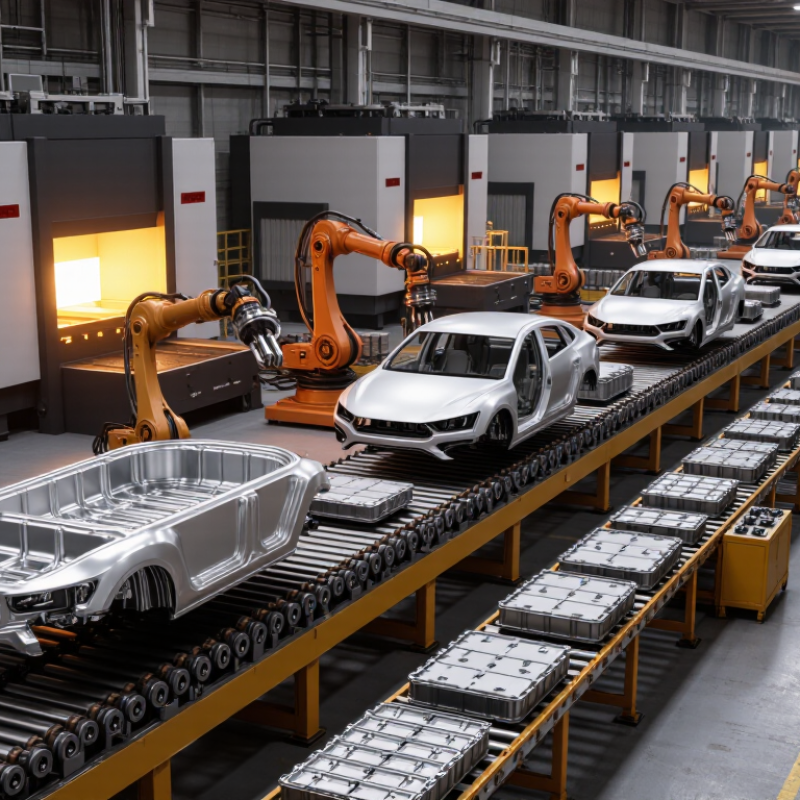
Automotive die casting helps reduce vehicle mass without weakening essential structures. Aluminum alloys form battery housings, transmission cases, cross members, and suspension components. Magnesium can reduce weight further, but it requires careful corrosion control. Weight matters. Every saved kilogram can support better efficiency, handling, or battery range.
The global top ten supplier group usually competes through tooling accuracy, alloy control, and production scale. A strong supplier should provide stable filling analysis, controlled heat treatment, and documented dimensional inspection. Engineers also review porosity, fatigue performance, and crash behavior before approving a component. Traceability is essential. Each casting should connect to a furnace batch, mold record, and inspection result.
Large structural castings can reduce part counts and welding points. They may also simplify assembly and improve cabin space. However, bigger machines do not automatically create better parts. Mold maintenance, metal cleanliness, and operator training still affect results. Defects travel quickly. Practical sourcing teams should compare cycle time, repair rates, recycled alloy content, and tooling recovery plans. A supplier may offer an impressive prototype, yet struggle with stable output after thousands of cycles. That gap deserves attention. I would also question designs that chase minimum weight alone, because thinner walls can increase repair difficulty and reduce manufacturing tolerance. Lightweight design works best when material savings, durability, service access, and repeatable production are evaluated together.
Top 10 Die Cast Car Parts Suppliers Worldwide?
Revenue offers a useful scale indicator, but it should not dominate the ranking. Large sales may reflect broad product portfolios rather than die cast specialization. I compare automotive revenue with die casting exposure, customer diversity, and published financial evidence. Audited reports carry more weight than promotional claims.
Plant footprint reveals practical resilience. I examine factory locations, regional tooling support, melting facilities, machining lines, and logistics access. Capacity needs equal scrutiny. A supplier may advertise impressive annual output, yet available capacity can shrink during model launches or energy shortages. I review machine tonnage, shift patterns, automation levels, and stated utilization rates. Site visits and production records would improve confidence, but they are not always available.
IATF 16949 status remains a critical quality filter. I check whether certification covers relevant plants and current production scopes, not only a corporate headquarters. Certificate dates, issuing bodies, and scope descriptions matter. So does evidence of corrective-action discipline. This ranking also considers engineering depth, traceability, dimensional inspection, and defect response times. Small detail matters. A clean audit cannot replace stable delivery performance. Public data remains uneven, and some capacity figures may be optimistic. I would revise the ranking when verified plant data, recent audit results, or independent customer evidence changes.
Ranking criteria: Revenue, Plant Footprint, Capacity, and IATF 16949 Status
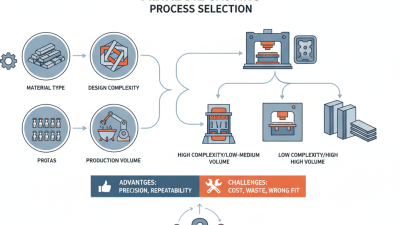
The chart presents a transparent 100-point evaluation framework for comparing ten global die-cast automotive supplier positions without disclosing company or brand names. Revenue, plant footprint, and production capacity are weighted as scale indicators, while IATF 16949 status is treated as a quality-system qualification factor.
Top 10 Die Cast Car Parts Suppliers Worldwide?
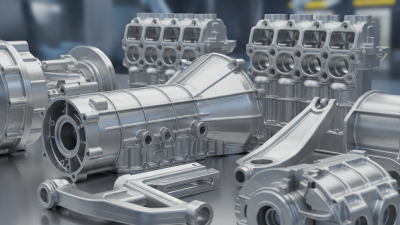
The global top ten should be judged by verified capability, not factory size alone. This group includes four suppliers across East and South Asia, three in Europe, and three in North America. Their strengths cover aluminum housings, transmission cases, suspension brackets, motor mounts, and battery cooling components. Many operate high-pressure die casting cells beside CNC machining and inspection equipment.
Asian suppliers often provide efficient high-volume production, with automated trimming and cycle-time tracking. European facilities commonly emphasize tight tolerances, material traceability, and lower-waste process control. North American suppliers may offer strong engineering support near vehicle assembly plants. Site visits can reveal practical details, such as clean die storage, controlled alloy temperatures, and calibrated coordinate measuring machines.
Quality evidence matters more than marketing language. Buyers should review PPAP records, defect rates, tooling maintenance logs, and independent test results. A capable supplier should explain porosity controls, heat treatment limits, and recycling procedures clearly. Capacity claims can be confusing. A large press does not guarantee stable parts.
The ranking remains imperfect. Production data may change after new tooling, labor shifts, or energy disruptions. Smaller specialists can outperform larger plants on difficult geometries. I would recheck delivery performance every quarter, especially for safety-related castings and new electric vehicle components. Reliability is earned through repeat results, not attractive brochures.
A credible top-ten list should compare technical capability, not factory size alone. The World Foundry Organization’s 2023 Census reported approximately 110 million tonnes of global castings in 2022. Automotive demand remains intense. The International Energy Agency recorded nearly 14 million electric car sales in 2023, increasing pressure for lighter structural parts.
HPDC suppliers handle thin-wall housings, battery trays, and large structural castings. Machines from 350 to 9,000 tons require different die designs, injection speeds, and thermal controls. Large machines can reduce assembly joints, but they also magnify filling imbalance and die stress. Process fit matters.
LPDC suits wheels and suspension components, where controlled filling reduces turbulence. GDC remains useful for prototypes, smaller batches, and heat-treated aluminum parts.
Alloy selection separates serious suppliers from simple casting vendors. A380 offers strong fluidity for general HPDC components. AlSi10MnMg supports structural applications and can tolerate heat treatment. A356 remains common in LPDC wheels and chassis parts. Magnesium and zinc alloys provide lower weight or better detail, but corrosion control needs close review. The Aluminum Association’s 2023 industry outlook also highlighted rising automotive aluminum demand, though its projections depend heavily on vehicle design and regional production.
A supplier profile should show porosity data, X-ray sampling, dimensional capability, and machine utilization. I would also request cycle-time records and scrap definitions. Numbers can mislead. Some reported yields exclude rework, which weakens comparison. Independent audits, traceable alloy certificates, and documented validation trials deserve more weight than polished rankings.
A credible Top 10 comparison should examine more than casting capacity or catalog size. The strongest die cast car parts suppliers show documented OEM programs, stable export records, and experience with safety-critical components. Their reach matters: plants near vehicle assembly hubs can shorten transport routes and respond faster to design changes. However, a large footprint does not guarantee better service. Factory visits, customer references, and production samples remain valuable evidence.
EV capability changes the evaluation. Suppliers should demonstrate expertise in battery trays, motor housings, inverter cases, and lightweight structural parts. Reviewers should check dimensional accuracy, sealing performance, thermal control, and corrosion resistance. Useful quality metrics include first-pass yield, defect rates, process capability, warranty claims, and on-time delivery. Independent audits and traceable inspection records strengthen confidence. Numbers matter.
Sustainability data needs careful reading. Credible suppliers disclose recycled aluminum content, energy use per component, water consumption, and emissions reduction progress. Closed-loop scrap recovery can reduce material waste inside the foundry. Renewable electricity claims should include measurement boundaries and verification methods. The comparison is not flawless. Supplier reports may use different definitions, making direct rankings difficult. I would also question impressive percentages without baseline years, audit scope, or factory-level evidence. Low price can hide future quality and environmental costs.
Anonymized comparison using standardized public-information categories. “Not publicly disclosed” indicates that a supplier-specific figure is not consistently published or independently comparable.
| Rank | Anonymous Supplier | Primary Operating Footprint | OEM Reach | EV Parts Capability | Typical Die-Casting Materials | Typical Component Scope | Quality Certifications Reported | Published Quality Metric | Sustainability Data | Digital / Process Capability | Data Confidence |
|---|---|---|---|---|---|---|---|---|---|---|---|
| 1 | Supplier 01 | Europe, North America, and Asia | Global OEM programs | Battery housings, inverter cases, motor housings, structural castings | Aluminum alloys; selected magnesium alloys | Powertrain, chassis, thermal-management, and structural parts | IATF 16949; ISO 9001; ISO 14001 at selected sites | PPM / warranty data not publicly disclosed | Recycled aluminum use and emissions targets reported at group or site level | Simulation, vacuum die casting, automated trimming, X-ray inspection | High |
| 2 | Supplier 02 | North America, Europe, and Asia | Global OEM programs | Large battery trays, e-drive housings, structural nodes | High-silicon aluminum; low-porosity alloys | Large structural and power-electronics castings | IATF 16949; ISO 9001; ISO 14001 at selected sites | Customer-specific PPM targets; actual results not disclosed | Energy-efficiency projects and scrap-recycling programs reported | High-pressure die casting, vacuum systems, robotic quality inspection | High |
| 3 | Supplier 03 | Europe and Asia | Multi-region OEM supply | Transmission housings, e-motor cases, battery and cooling components | Aluminum and magnesium alloys | Driveline, e-mobility, suspension, and underbody parts | IATF 16949; ISO 9001; ISO 14001 | Defect-rate figures not consistently published | Environmental-management certification and material-efficiency programs | Real-time process monitoring, CT or X-ray inspection, CNC finishing | High |
| 4 | Supplier 04 | Asia, Europe, and North America | Global and regional OEMs | Battery covers, e-axle housings, cooling plates, structural castings | Aluminum alloys; recycled-content grades where approved | Powertrain, battery, thermal, and chassis components | IATF 16949; ISO 9001; ISO 14001 at selected plants | PPM performance not publicly disclosed | Renewable-electricity procurement and waste-reduction initiatives reported | Vacuum-assisted casting, automated optical inspection, traceability systems | High |
| 5 | Supplier 05 | Europe and North America | Established OEM supply | Motor housings, inverter cases, battery support parts | Aluminum alloys; zinc alloys for smaller components | Engine, transmission, braking, and e-drive parts | IATF 16949; ISO 9001 | Customer scorecards used; numeric results not disclosed | Scrap recovery and energy-consumption monitoring reported | High-pressure die casting, CNC machining, leak testing | Medium |
| 6 | Supplier 06 | Asia and North America | Regional and international OEMs | Battery cases, e-motor covers, thermal-management housings | Aluminum alloys; selected zinc alloys | Powertrain, electronics, HVAC, and structural parts | IATF 16949; ISO 9001; ISO 14001 at selected facilities | Public PPM or warranty data unavailable | Material recycling and wastewater-management controls reported | Process simulation, automated casting cells, dimensional measurement | Medium |
| 7 | Supplier 07 | Asia-Pacific and Europe | Strong regional OEM reach | E-drive housings, battery trays, charging-system components | Aluminum alloys and recycled secondary aluminum | Transmission, motor, battery, and thermal-management parts | IATF 16949; ISO 9001 | Customer-specific quality targets; actual PPM not disclosed | Energy-saving furnace projects and aluminum scrap segregation reported | Vacuum die casting, CNC machining, pressure and leak testing | Medium |
| 8 | Supplier 08 | Asia-Pacific | Regional OEM reach | Motor covers, inverter housings, battery-related castings | Aluminum alloys; zinc alloys for compact parts | Automotive housings, brackets, brackets, and powertrain parts | IATF 16949 or equivalent automotive QMS; ISO 9001 | Supplier-specific defect data not publicly disclosed | Recycling and factory energy-management measures reported selectively | High-pressure die casting, trimming automation, CMM inspection | Medium |
| 9 | Supplier 09 | Europe and Asia | Regional OEM and Tier-1 supply | Thermal-management housings, e-motor components, battery brackets | Aluminum alloys; magnesium where design permits | Powertrain, chassis, HVAC, and lightweight structural parts | IATF 16949; ISO 9001; ISO 14001 at selected sites | Warranty and PPM data not publicly disclosed | Environmental certification and foundry-scrap recovery programs reported | Simulation, vacuum casting, automated leak and dimensional testing | Medium |
| 10 | Supplier 10 | North America and Asia-Pacific | Regional OEM reach | Battery support parts, e-drive covers, inverter housings | Aluminum alloys; recycled-content material subject to specification | Engine, transmission, electronics, and EV auxiliary parts | IATF 16949; ISO 9001 | Public quality metrics not available | Scrap-metal recycling and energy-monitoring activities reported selectively | High-pressure die casting, CNC machining, leak testing, serial traceability | Limited |
Interpretation: IATF 16949 and ISO 9001 indicate quality-management-system certification, not a guaranteed defect rate. EV capability refers to publicly described application experience or process capability; supplier-specific PPM, warranty, carbon-intensity, and recycled-content figures should be verified during RFQ and supplier audit.