What is Pressure Die Casting Die and Its Benefits for Buyers?
In the world of manufacturing, Pressure Die Casting Die plays a crucial role. It allows for high-quality production of metal components with precision. John Smith, an industry expert, states, “The right die can enhance efficiency and reduce production costs.” This highlights the importance of choosing the right die for any project.
Pressure Die Casting Die creates intricate shapes with minimal waste. The process ensures a smooth finish and high dimensional accuracy. Buyers benefit from reduced labor costs and faster turnaround times. However, selecting the appropriate die requires careful consideration. Mistakes in die selection can lead to production delays and increased expenses.
Investing in top-quality Pressure Die Casting Die is necessary for competitive manufacturing. Buyers must understand the intricacies involved in the process. While the benefits are significant, challenges may arise. It is essential to work with experienced suppliers who can guide the decision-making process effectively.
What is Pressure Die Casting Die?
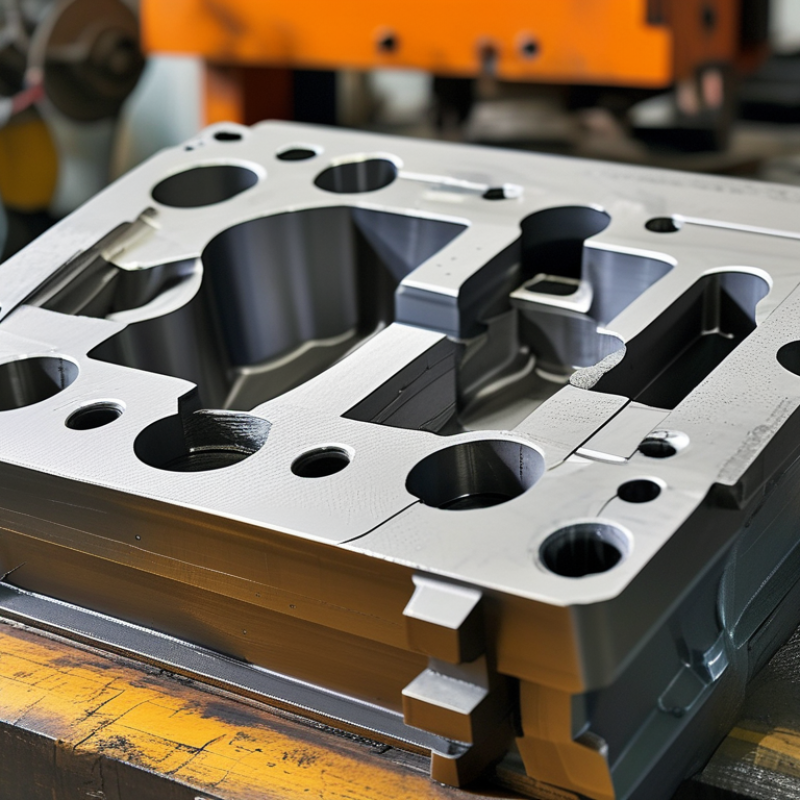
Pressure die casting die is a vital component in metalworking. It involves forcing molten metal into a mold to create complex shapes with high precision. This method is widely used in industries like automotive and aerospace due to its speed and efficiency. According to recent industry studies, nearly 60% of die-cast parts are produced using aluminum. This highlights the material's popularity for its lightweight and strength.
The die itself is made from durable materials, capable of withstanding high pressure and temperature. It provides excellent dimensional accuracy and surface finish. Some reports indicate that when properly maintained, a die can produce over 100,000 parts before requiring replacement. However, maintaining these dies can be challenging. Proper cooling systems and regular inspections are essential to ensure long-lasting performance. Mismanagement in these areas could lead to increased costs.
Additionally, pressure die casting allows for tight tolerances. Parts can be produced with tolerances as low as 0.1 mm. This accuracy is crucial for parts that require intricate detailing. Yet, not all designs are suitable for die casting. Complex designs might require additional work, which can negate some benefits. Understanding these nuances can help buyers make informed decisions.
What is Pressure Die Casting Die and Its Benefits for Buyers?
| Dimension |
Specification |
Material |
Applications |
Benefits |
| Standard Size |
200 x 300 mm |
Aluminum Alloy |
Automotive Parts |
High Precision |
| Large Size |
500 x 700 mm |
Zinc Alloy |
Electronic Housings |
Cost Effective |
| Complex Shapes |
Custom Dimensions |
Magnesium Alloy |
Aerospace Components |
Rapid Production |
| Thin Wall Castings |
Less than 1 mm |
Copper Alloy |
Consumer Electronics |
Lightweight Components |
Key Components of Pressure Die Casting Dies
Pressure die casting dies are essential tools in metalworking. They shape molten metal into precise forms. Understanding the key components of these dies can greatly benefit buyers. These components significantly influence the production efficiency and quality of the cast products.
One primary component is the die block, which must withstand immense pressure. It's typically made of tool steel or other high-strength materials. A study indicates that the die block accounts for 30% of the overall die costs. Its durability directly impacts production rates. Inserts within the die, used for cooling and shaping, affect cycle time and casting precision. Poor cooling design can lead to defects and increased production time.
Another critical part is the ejection system. It removes the finished casting from the die, ensuring smooth workflow. An inefficient ejection system can cause delays and increase costs. Some systems use hydraulic or mechanical approaches. Reports suggest that optimizing the ejection system can reduce cycle times by up to 15%. Lastly, the die's surface finish matters. A good finish prevents adhesion and lowers maintenance needs. However, achieving the right balance between cost and quality remains a challenge for buyers. Understanding these components allows for better decision-making in the pressure die casting process.
Benefits of Pressure Die Casting Dies
Advantages of Using Pressure Die Casting for Buyers
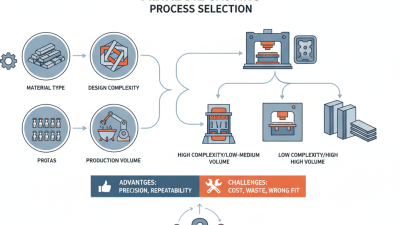
Pressure die casting is a widely adopted manufacturing process that delivers several advantages for buyers. This method enables the production of complex shapes with high precision. According to industry reports, it can achieve tolerances as tight as ±0.1 mm on critical components. This accuracy results in reduced machining costs, which can lead to significant savings for manufacturers.
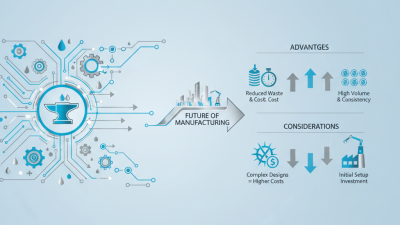
One of the most notable benefits is the cost-effectiveness of large production runs. Reports indicate that pressure die casting can lower per-unit costs by up to 50% compared to other techniques. Buyers can expect shorter lead times and consistent quality across batches. However, the initial investment can be high, particularly for tooling. Buyers must weigh this upfront cost against long-term savings.
Moreover, pressure die casting produces components with enhanced mechanical properties. The process allows for thinner walls and less material waste. This contributes to lighter products without compromising strength. However, it is essential to consider the specific alloy and application, as not all materials yield the same benefits. Balancing these factors is crucial for achieving optimal results in production.
How Pressure Die Casting Affects Product Quality
Pressure die casting is a crucial process in manufacturing that significantly influences product quality. This technique involves forcing molten metal into a mold at high pressure, ensuring a precise and detailed finish. A report by the Die Casting Industry Council highlights that products made through this method can achieve dimensional tolerances as tight as ±0.1 mm. This precision is essential for parts used in industries like automotive and aerospace, where performance and safety depend on exact specifications.
The surface finish of pressure die cast products is another notable benefit. Studies indicate that the process allows for a smooth surface finish, often requiring minimal post-processing. This can save time and costs, making it an attractive option for manufacturers. Moreover, the rapid cooling rates in pressure die casting contribute to metallurgical characteristics that enhance strength and durability.
However, not all pressure die cast pieces are free from defects. Porosity can sometimes occur, leading to potential weaknesses in the final product. Continuous improvement is critical, as manufacturers strive to reduce these flaws and achieve optimal quality.
Considerations for Choosing a Pressure Die Casting Supplier
Choosing the right supplier for pressure die casting is crucial. Buyers often face challenges in assessing potential partners. It requires more than just a competitive price. Factors like experience and reliability come into play. A supplier's track record can indicate their ability to deliver quality. Look for companies with a portfolio showcasing their previous work.
Communication is key in any partnership. Ensure the supplier understands your specific needs. A good supplier will be open to discussions and flexible in solutions. It can be helpful to request samples. This allows you to evaluate the quality and precision of their casting. Trust your instincts during this process. Sometimes, a well-presented offer hides underlying problems.
Don’t overlook production capacity and lead times. A supplier may promise quick turnaround but may struggle to meet deadlines. This can impact your project’s success. Examine their technological capabilities as well. Advanced equipment often translates to better quality. Prioritizing suppliers who invest in technology may pay off in the long run.

 +86-13516964051


 CONTACT NUMBER
 CONTACT NUMBER