Top Pressure Die Casting Die Suppliers for Global Buyers?
In the competitive world of manufacturing, choosing the right suppliers for Pressure Die Casting Die is crucial. Quality and precision are paramount in this industry. Buyers seek reliable partners who can deliver lasting and effective solutions. The demand for fine-cast metal parts is rising across various sectors. Industries such as automotive, aerospace, and electronics rely heavily on this technology.
Naval engineers, for example, benefit from Pressure Die Casting Die to create intricate components. This process ensures efficiency and cost-effectiveness. However, not all suppliers meet the same standards. Potential buyers must scrutinize potential partners carefully. Reliability often differentiates leaders in the market from average ones.
As you consider suppliers, think about their experience and expertise. Are they established in the market? Do they have a proven track record? Clients prefer suppliers who can adapt to specific project requirements. While price is important, quality should not be compromised. Investing in the right Pressure Die Casting Die supplier can lead to long-term success. Therefore, due diligence is essential to make informed choices.
Overview of Pressure Die Casting and Its Importance in Manufacturing
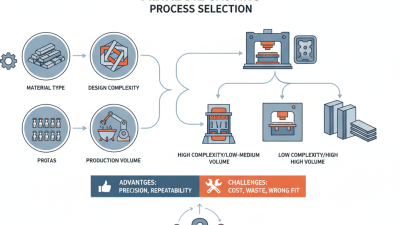
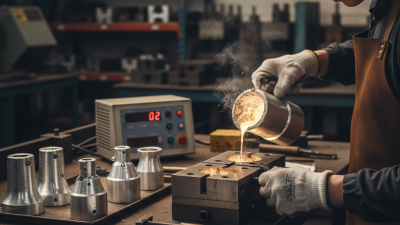
Pressure die casting is a pivotal process in modern manufacturing, enabling the production of complex metal parts with high precision. This method utilizes molten metal poured into a mold under high pressure, ensuring a smooth surface finish and tight tolerances. According to a recent market report by Grand View Research, the global pressure die casting market is projected to reach $25 billion by 2025, illustrating its significance in various industrial applications, including automotive and electronics.
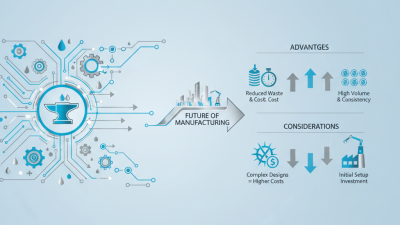
The importance of pressure die casting lies in its scalability and efficiency. It allows manufacturers to produce large quantities of components with minimal waste. A well-executed die casting process can achieve dimensional accuracy within ±0.1 mm, demonstrating its reliability for production lines. However, challenges remain, such as the high initial cost of die tooling and the complexity of mold design. Addressing these challenges requires a deep understanding of the materials and processes involved, making experienced suppliers invaluable in the manufacturing chain.
Manufacturers must also consider the environmental impact of die casting. Despite its advantages, the process can be energy-intensive, raising concerns about sustainability. Continuous advancements in technology aim to reduce energy consumption and improve material recycling rates, but the industry must remain vigilant in addressing these environmental issues. Adapting practices to enhance sustainability is crucial in an evolving market.
Top Pressure Die Casting Die Suppliers for Global Buyers
| Supplier Location |
Annual Production Capacity (tons) |
Experience (Years) |
Key Industries Served |
| North America |
20,000 |
15 |
Automotive, Aerospace |
| Europe |
15,000 |
20 |
Electronics, Machinery |
| Asia |
30,000 |
10 |
Consumer Products, Medical Devices |
| Australia |
5,000 |
12 |
Construction, Transport |
Key Factors to Consider When Choosing Die Suppliers for Global Needs
When selecting die suppliers for pressure die casting, several critical factors emerge. Quality control stands out as an essential criterion. A recent industry report indicated that about 70% of production failures arise from poor materials. Ensuring suppliers have robust quality assurance measures is vital. Look for certifications, such as ISO 9001, which reflect adherence to international quality standards.
Another key factor is the supplier's technological capability. In a rapidly evolving market, access to advanced technologies can significantly enhance production efficiency. A report by the Global Industry Analytics suggests that companies utilizing the latest casting techniques report a 15% increase in productivity. Assessing a supplier’s capacity for innovation and their investment in modern machinery can determine long-term viability.
Geographical location also plays a considerable role, impacting both shipping times and costs. Global supply chains can face significant delays due to unforeseen circumstances. A proactive approach in choosing suppliers with a strong local presence can mitigate risks. While balancing cost and quality, reflecting on a supplier's reliability is essential. A cheaper option may lead to higher expenses down the line due to inefficiencies or defects. Each decision should weigh short-term savings against long-term performance.
Top Features of Leading Pressure Die Casting Die Suppliers
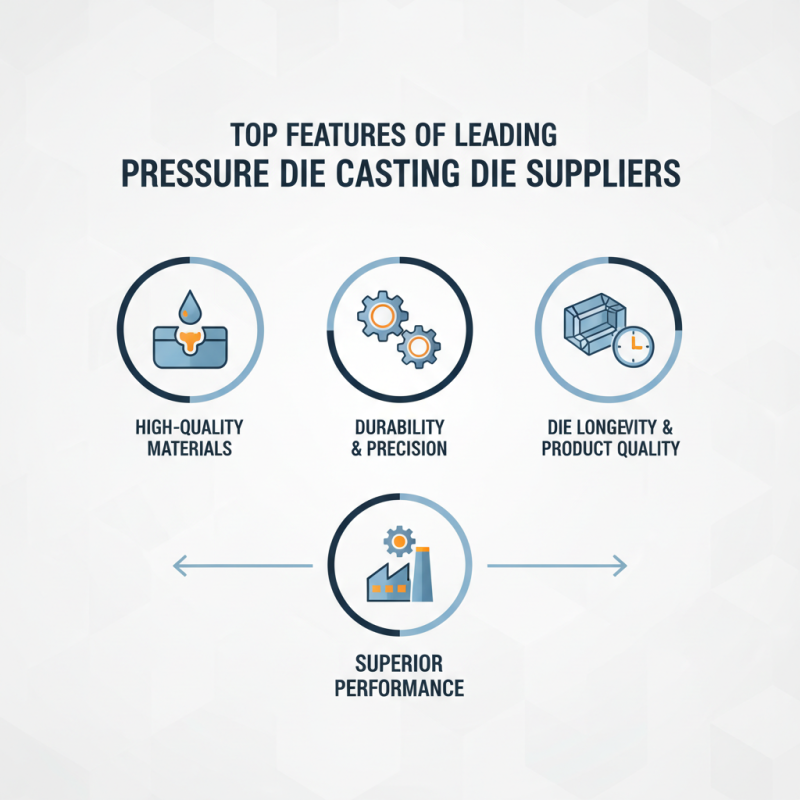
When evaluating pressure die casting die suppliers, several key features stand out. High-quality materials are fundamental. Suppliers often utilize alloys that ensure durability and precision. These materials ultimately influence the longevity of the dies and the quality of the final products.
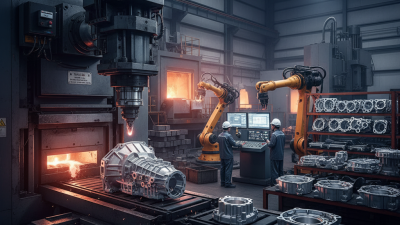
Another significant feature is advanced technology. Many leading suppliers incorporate state-of-the-art machinery. This allows for remarkable precision in die manufacturing. According to industry reports, companies leveraging automation can achieve up to 30% lower production costs. This efficiency impacts pricing favorably for global buyers.
Customer support also plays a vital role. Reliable suppliers provide comprehensive assistance throughout the process. Problems can arise unexpectedly during production. Suppliers that respond quickly to inquiries can save companies valuable time and resources. However, not all suppliers meet this standard; some face challenges in communication and support efficiency, which can lead to production delays.
Overall, these features—material quality, technology, and customer support—shape the landscape of pressure die casting die suppliers. Companies aiming for efficient production must carefully assess these factors when choosing a supplier.
Market Trends Impacting Pressure Die Casting Industry Worldwide
The pressure die casting industry is evolving rapidly. Global economic shifts influence demand for more efficient manufacturing processes. As companies seek to reduce production costs, the adoption of advanced technologies continues to rise. Automation and smart manufacturing are becoming common in this field, reshaping traditional methods.
Sustainability is another critical trend. Many manufacturers are looking to minimize their environmental impact. This includes reducing waste and energy consumption. However, balancing cost-effectiveness and eco-friendly practices remains challenging. Companies often struggle to implement green technologies without compromising productivity.
Market resilience is vital. Some suppliers experience volatility due to global events like supply chain disruptions. This unpredictability forces buyers to reassess their partnerships. Therefore, finding reliable suppliers who can adapt to changing conditions is essential. The industry's future will depend heavily on how well companies respond to these trends. This makes experience and innovative solutions crucial for long-term success.
Regional Insights: Major Pressure Die Casting Suppliers by Geographical Area
The global landscape of pressure die casting suppliers showcases a diverse range of companies distributed across key regions. In North America, suppliers focus heavily on automotive applications, utilizing advanced technologies to enhance precision. They often face challenges with fluctuating raw material costs and increasing demand for sustainable practices. Overcoming these hurdles requires innovative solutions and a commitment to excellence in engineering.
In Europe, suppliers are known for their expertise and adherence to stringent regulations. They leverage cutting-edge manufacturing processes that prioritize efficiency and quality. Despite their strong reputation, some companies struggle to adapt to rapid shifts in market needs. Adapting to these trends is critical for maintaining a competitive edge.
Asia-Pacific presents a dynamic hub for pressure die casting suppliers, driven by a booming industrial base. As countries like China and India invest in infrastructure, opportunities abound. However, suppliers here also confront issues such as labor costs and environmental guidelines. Maintaining high quality while navigating these complexities can be a daunting task. The region’s growth potential is substantial, but only for those willing to innovate and refine their processes.

 +86-13516964051


 CONTACT NUMBER
 CONTACT NUMBER