



 +86-13516964051


News
Aluminum alloy low
0102030405
Potential Applications of Aluminum Alloy High-Pressure Casting in the Medical Device Field
2025-12-03
Potential Applications of Aluminum Alloy High-Pressure Casting in the Medical Device Field
In the global medical device industry's transformation towards precision, minimally invasive, and mobile technologies, innovation in materials and manufacturing processes has become a core driving force. Aluminum alloy high-pressure casting technology, with its lightweight, high precision, and high stability, is gradually breaking through the limitations of traditional medical device manufacturing, bringing breakthrough solutions to fields such as diagnostic equipment, surgical instruments, and rehabilitation aids. This process, which rapidly forms molten aluminum alloy under high pressure, not only perfectly matches the stringent performance requirements of medical devices but also demonstrates significant advantages in cost control and green production.
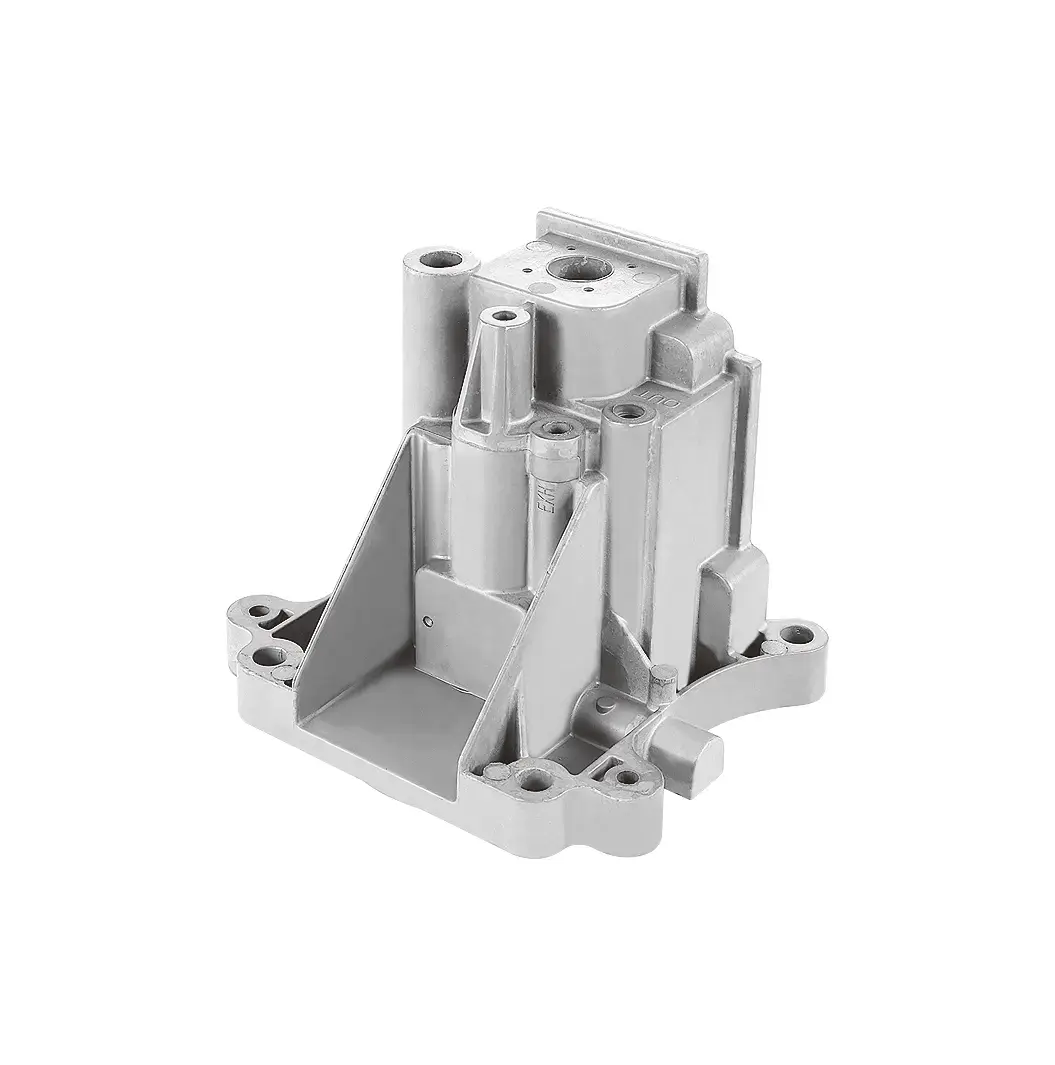
Process Empowerment: The Core Competitiveness of Aluminum Alloy High-Pressure Casting
The special nature of medical devices dictates that their manufacturing processes must find a precise balance between safety, reliability, and economy, and aluminum alloy high-pressure casting precisely forms the technological foundation for this balance. Its core advantages are concentrated in three dimensions:
1. High Alignment of Material Properties with Medical Needs
The low density of aluminum alloys (only 1/3 that of steel), combined with the dense microstructure formed by high-pressure casting, achieves a perfect unity of "lightweight and high strength." Testing has shown that 7075-T73 aluminum alloy components produced using this process achieve a tensile strength exceeding 500 MPa, while simultaneously reducing equipment weight by 30%-50%. This significantly improves the convenience of clinical use for frequently moved ultrasound diagnostic instruments and portable monitoring equipment. More importantly, the 20-50 μm bio-inert film layer formed through surface micro-arc oxidation treatment allows medical aluminum alloys such as 6061-T6 to easily pass the ISO 10993-1 biocompatibility standard, with a cell survival rate exceeding 95%, providing safety assurance for their application in devices that come into contact with the human body.
2. Breakthroughs in Precision Molding and Complex Structure Manufacturing
The rapid filling and cooling process under high pressure allows the aluminum alloy to precisely replicate the fine structure of the mold, with dimensional tolerances controllable within ±0.02 mm, fully meeting the precision requirements of medical devices for their components. This characteristic enables the integrated molding of components with complex cavities and irregular shapes, such as surgical robot joints and endoscope guidance mechanisms. This not only reduces structural weaknesses inherent in traditional welding processes but also decreases the number of parts required for assembly by over 60%, significantly improving the overall stability of the equipment. The key transmission components of the da Vinci surgical arm are manufactured using this process, achieving a straightness accuracy of 0.01 mm/m, providing core support for precise operation in minimally invasive surgery.
3. Dual Advantages of Cost-Effectiveness and Green Production
Compared to traditional processes such as titanium alloy forging, aluminum alloy high-pressure casting achieves a material utilization rate of over 95%, while eliminating numerous subsequent processing steps, reducing the unit component manufacturing cost by 20%-40%. This cost advantage is even more pronounced in large-scale production scenarios. For example, standardized components such as disposable infusion set supports and bed adjustment gears can achieve a daily production capacity of tens of thousands of units using this process. Furthermore, the 100% recyclability of aluminum alloys and the low energy consumption of the die-Casting Process (30% more energy efficient than sand casting) align with the global medical device industry's requirements for sustainable manufacturing.
Application Scenario: Emerging New Fields of Medical Applications
From diagnostics to rehabilitation, high-pressure die-Casting Technology for aluminum alloys is gradually penetrating various sub-sectors of medical device manufacturing, with its application scenarios expanding far faster than market expectations.
Diagnostic Equipment: Dual Guarantee of Stability and Heat Dissipation
In large diagnostic equipment such as CT scanners and MRI machines, the thermal stability of core components directly affects detection accuracy. High-pressure die-cast aluminum alloy rotating supports, through precise control of the coefficient of thermal expansion (down to 8×10⁻⁶/℃), effectively avoid mechanical deformation caused by temperature changes during equipment operation. Companies such as Siemens have adopted this process to manufacture support components in their high-end CT equipment, controlling the detection error within 0.1mm after 8 hours of continuous operation. Simultaneously, the excellent thermal conductivity of aluminum alloys allows the high-pressure die-cast equipment casing to quickly dissipate heat generated by internal electronic components, extending the lifespan of core components by more than 20%.
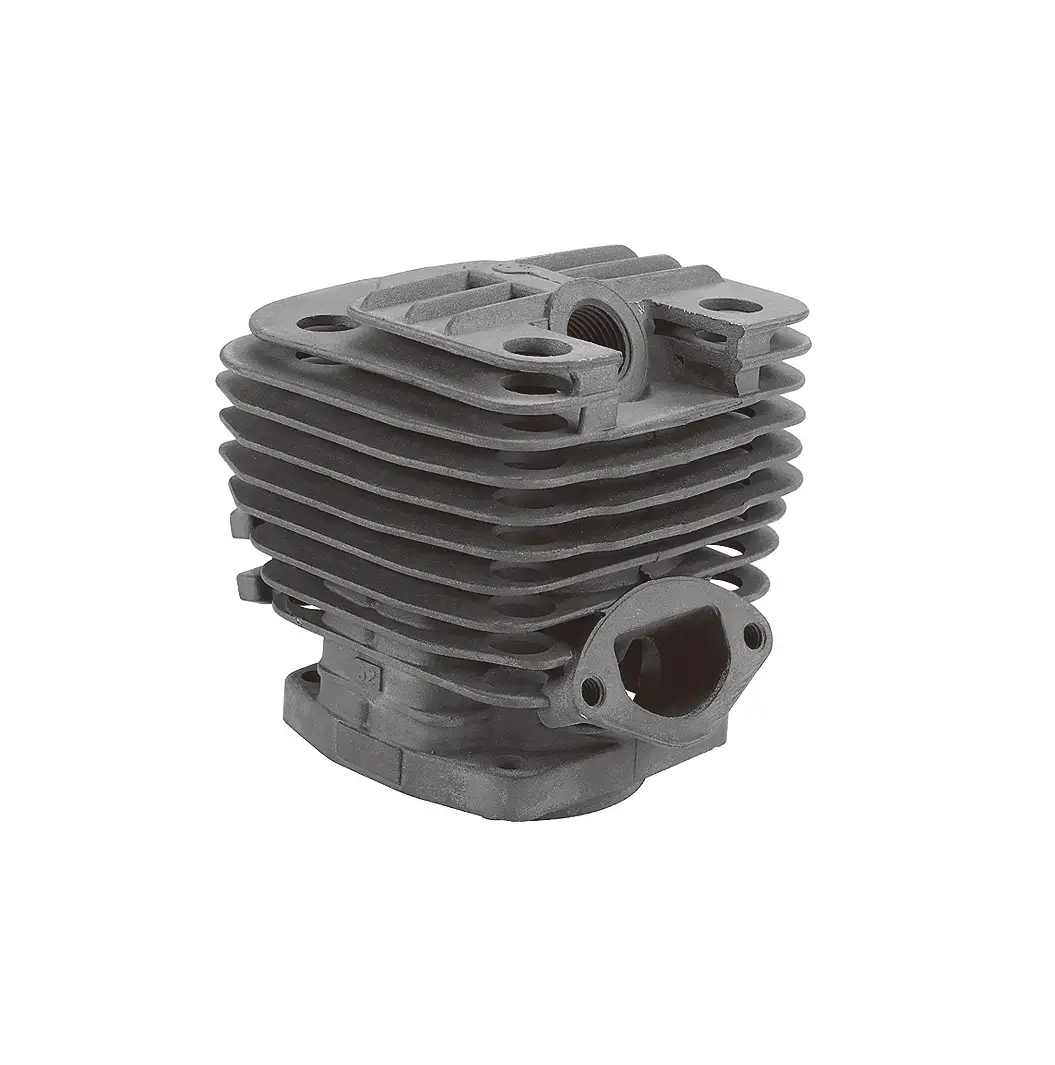
Surgical Instruments: Synergistic Improvement in Lightweight Design and Operability
Surgical procedures demand extreme operability and reliability of instruments, and high-pressure die-casting of aluminum alloys has brought revolutionary improvements to minimally invasive surgical instruments. In laparoscopic surgical instruments, the grips manufactured using this process are not only 40% lighter, but their integrated anti-slip texture and internal drainage channels also achieve a fusion of ergonomic design and sterile irrigation function. For orthopedic surgical instruments, antibacterial aluminum alloy die-castings with a copper content exceeding 3.5% achieve a 99.9% sterilization rate against methicillin-resistant Staphylococcus aureus (MRSA), effectively reducing the risk of surgical infection.
Rehabilitation Assistive Devices: A Balance Between Personalization and Durability
In the field of rehabilitation equipment, the customization capabilities of aluminum alloy high-pressure casting are fully demonstrated. By combining 3D scanning with rapid mold manufacturing technology, prosthetic joints and external fixators conforming to different patient body shapes can be mass-produced. These components employ a porous structure design (porosity 65%), ensuring both biocompatibility and load-bearing capacity through the dense structure of high-pressure casting, extending the lifespan of prostheses from 2-3 years of traditional products to over 5 years. In mobility aids such as wheelchairs and walkers, their lightweight characteristics increase the load-bearing ratio to 1:15, significantly reducing the user's operational burden.
Nursing Equipment: Optimized Solutions for Functionality and Economy
In hospital nursing settings, bed lifting mechanisms and IV stand adjustment components have special requirements for corrosion resistance and fatigue strength. After anodizing, aluminum alloy high-pressure castings can maintain long-term stability in humid environments containing disinfectants, achieving a fatigue life of over 100,000 cycles. Data from an international medical equipment manufacturer shows that bed gearbox components manufactured using this process not only reduced the failure rate from 1.2% to 0.3%, but also significantly reduced maintenance costs by 86% due to integrated molding, thus reducing welding points.
Future Outlook: Technological Iteration Opens Up Greater Potential
Although the application of aluminum alloy high-pressure casting in the medical device field has already shown initial success, continuous technological iteration is opening up even broader development prospects. At the materials level, the development of special materials such as aluminum-lithium alloys and boron-doped aluminum alloys has enabled die-Cast Parts to achieve a 25% weight reduction while also providing special functions such as radiation shielding, making them possible for high-end fields such as proton therapy equipment. At the process level, the application of vacuum die-casting technology reduces the porosity of castings to below 0.1%, further improving the mechanical properties of the materials and laying the foundation for the application of implantable devices.
Intelligent upgrades make this process more adaptable to the personalized needs of medical devices. Through AI visual inspection systems and real-time pressure monitoring technology, 100% inspection of the dimensional accuracy and internal defects of each die-cast part can be achieved, with inspection efficiency five times higher than traditional methods. With the rise of personalized medicine, the integration of aluminum alloy high-pressure casting and 3D printing is exploring a new production model of "small batch, customized," bringing more precise solutions to fields such as orthopedic implants and dental restorations.
Website:https://site_9da08755-31f2-4eda-a820-8a764937e5bd/
Whatsapp:+86 13516964051