



 +86-13516964051


News
Aluminum alloy low
0102030405
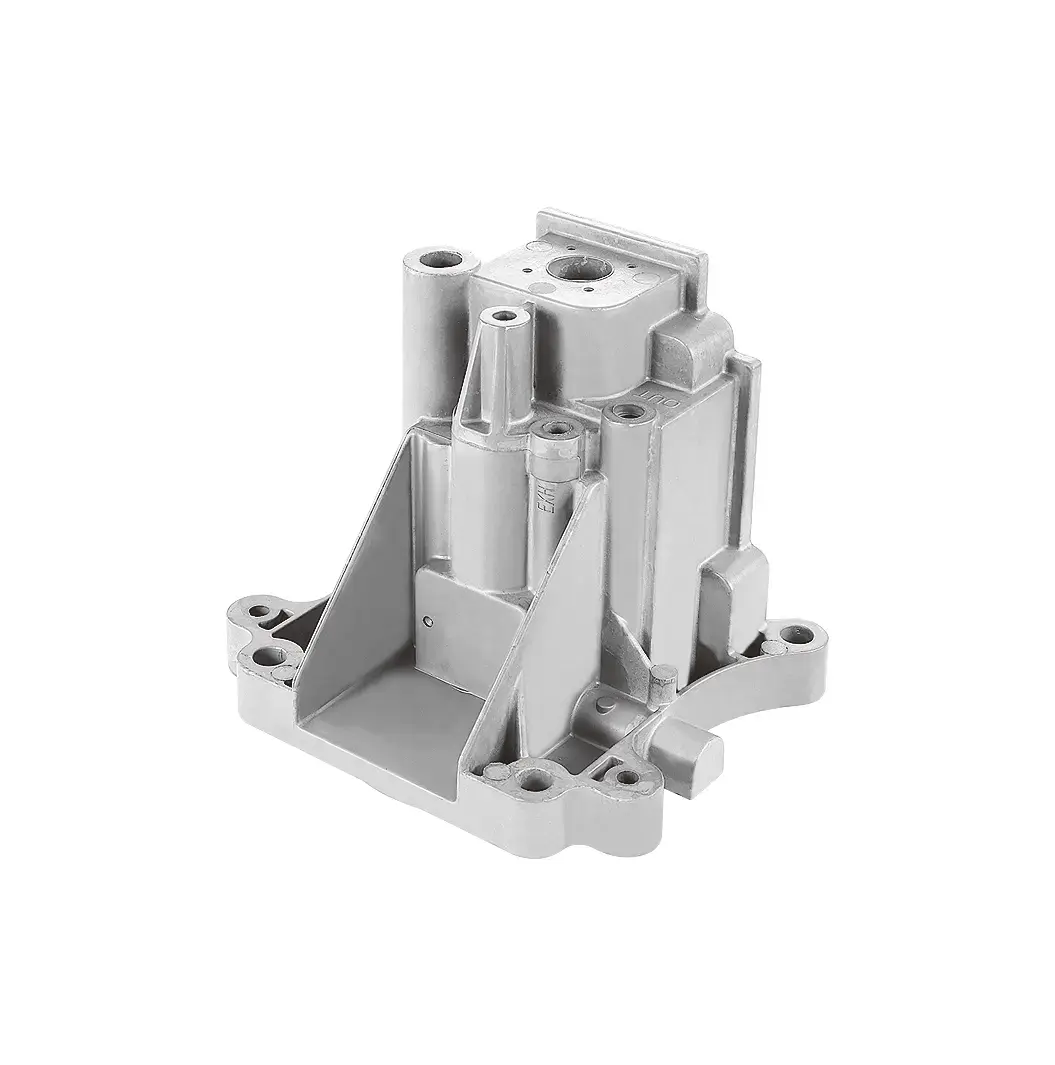
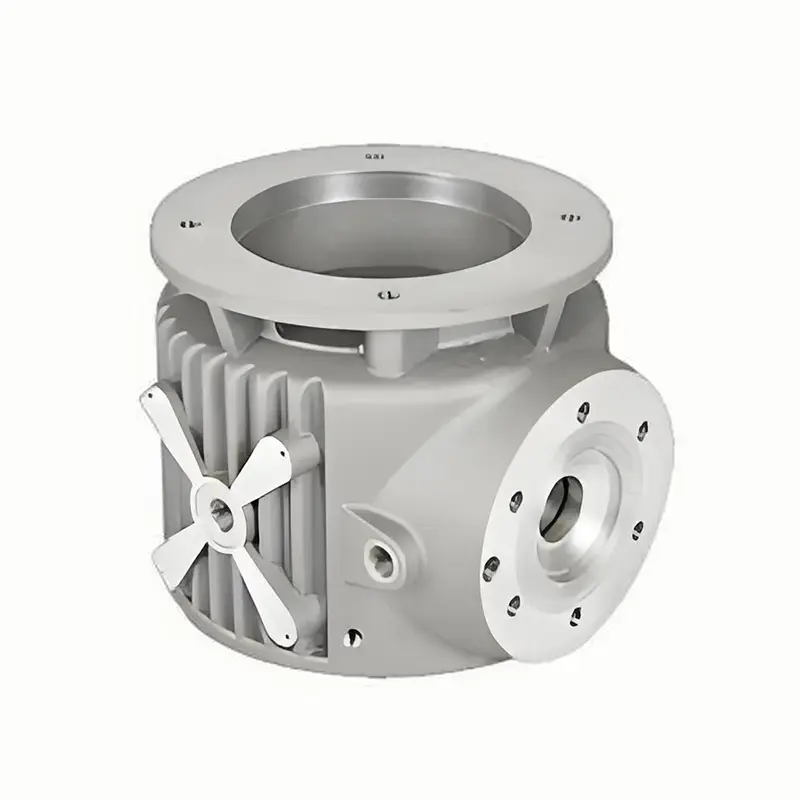
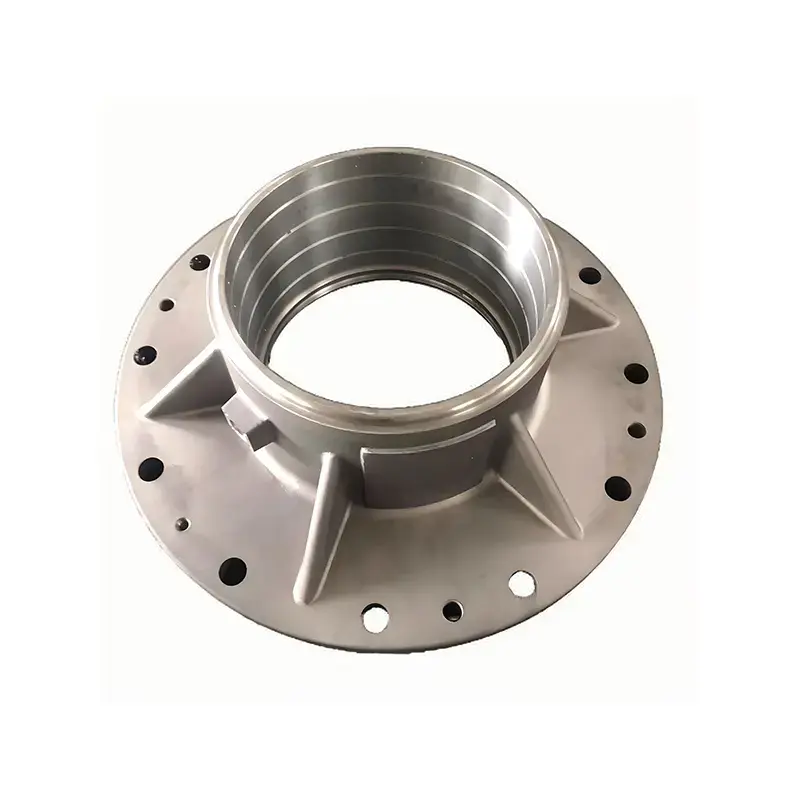
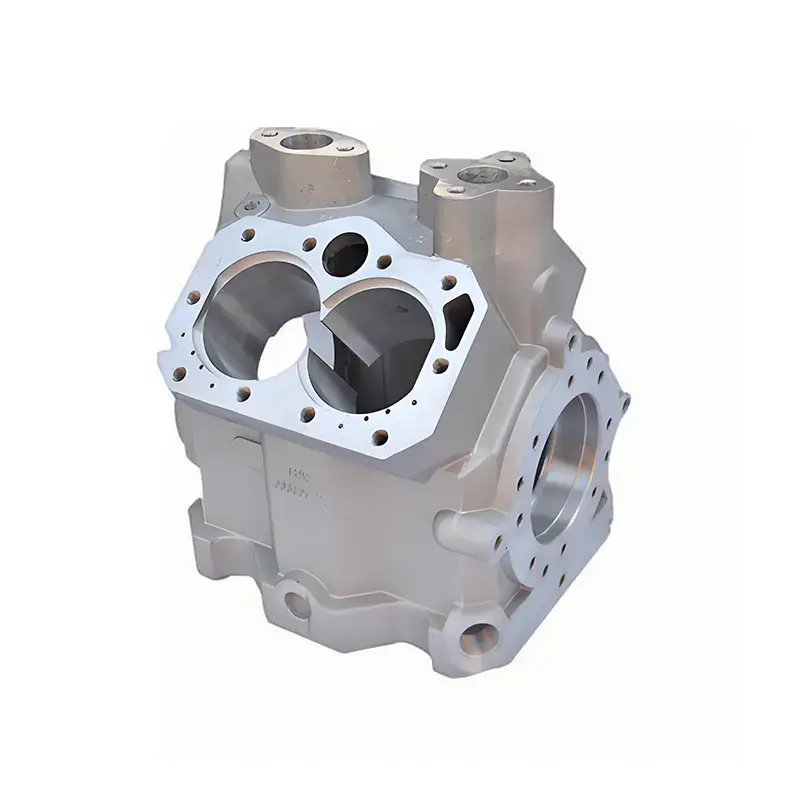
High-Pressure Die Casting (HPDC) of Aluminum Alloy for Automotive Engine Blocks
2025-12-05
High-Pressure Die Casting (HPDC) of Aluminum Alloy for Automotive Engine Blocks
In the evolution of automotive powertrain systems, the manufacturing process of engine blocks has always played a core role. As the "heart and skeleton" of the engine, the block must not only withstand the continuous impact of high temperature and pressure, but also meet the dual requirements of lightweighting and heat dissipation efficiency. The mature application of high-pressure die casting (HPDC) technology has precisely solved this contradiction, becoming the mainstream solution for modern passenger car engine block manufacturing. This article will delve into the technological core, key aspects, and development trends of this process, revealing how it reshapes the manufacturing logic of automotive powertrain systems.
Material Selection: Why Aluminum Alloy Has Become the Optimal Solution for Block Manufacturing
In the history of cylinder block material iteration, cast iron long held a dominant position due to its advantages of high strength and low cost. However, with the global automotive industry's stringent requirements for fuel economy and carbon emissions, aluminum alloys, with their unique properties, have achieved a leapfrog development over cast iron. Data shows that aluminum alloy has a density of only 2.7 g/cm³, resulting in a weight reduction of 20-30 kg compared to cast iron. Furthermore, a 10% reduction in vehicle weight can lower fuel consumption by 6-8%, directly aligning with the shared needs of both new energy vehicles and traditional gasoline-powered vehicles.
More importantly, aluminum alloy boasts a thermal conductivity of 150-200 W/(m·K), more than three times that of cast iron. This allows for rapid heat dissipation from the combustion chamber, effectively reducing engine thermal load and extending the lifespan of core components. However, the slightly lower strength of aluminum alloy places higher demands on manufacturing processes—high-Pressure Casting, through high-speed filling and high-pressure solidification of molten metal, compensates for the material's inherent limitations, achieving a balance between the complex structure and mechanical properties of the cylinder block.
The industry has established clear technical specifications for alloy selection. According to the "General Technical Requirements for Aluminum Alloy Cylinder Block Castings for Automotive Engines," ZL101A (ZAlSiMgA) is the preferred choice for entry-level models due to its excellent casting and mechanical properties, with a tensile strength exceeding 295 MPa. For turbocharged and other enhanced engines, ZL111 (ZAlSi9Cu2Mg), thanks to the strengthening effect of copper, increases the tensile strength to 315 MPa, meeting the requirements of high-temperature and high-pressure conditions. The impurity element content of these alloy grades is strictly limited; for example, the iron content of ZL101A must be controlled below 0.2% to avoid brittle defects in the casting.
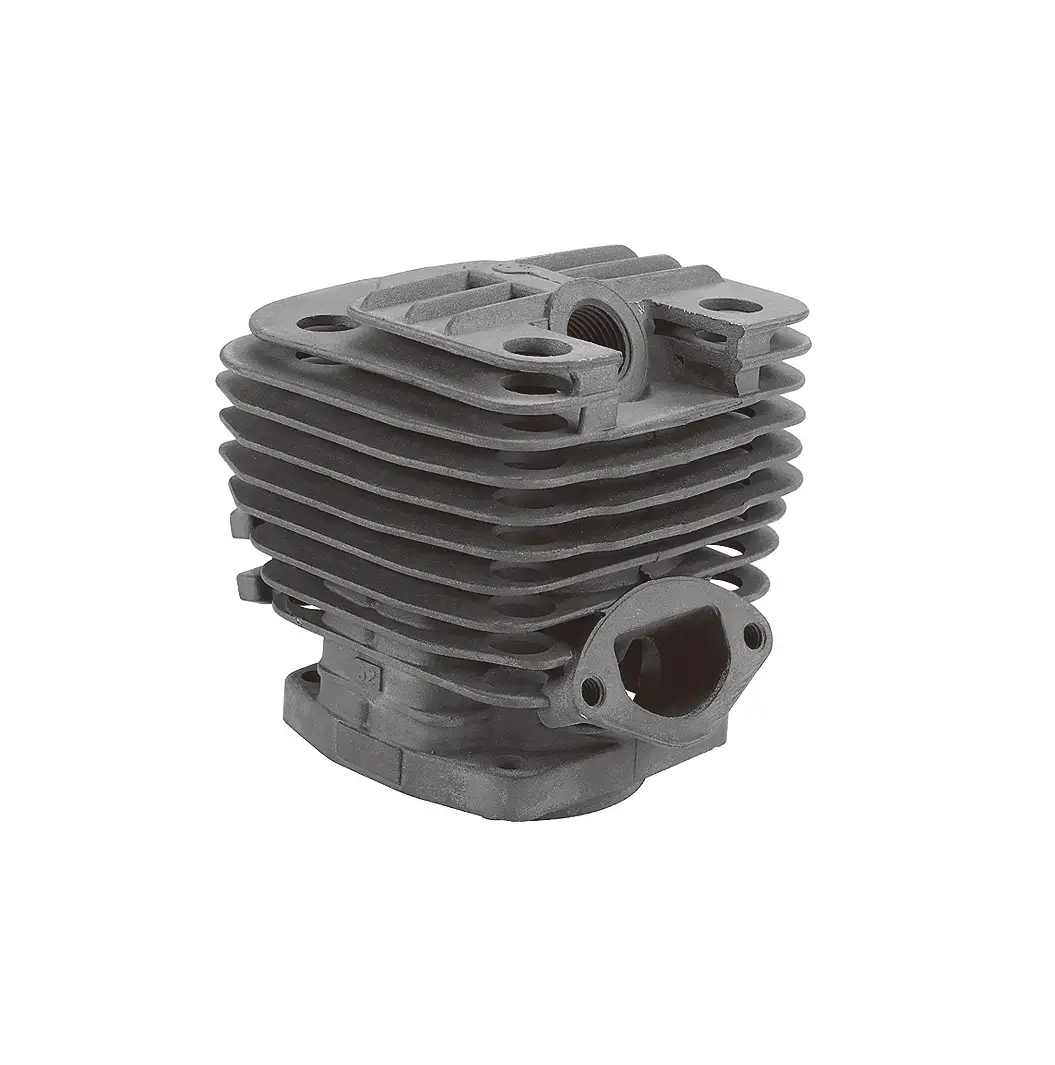
Core Process: Analysis of the Four Key Aspects of High-Pressure Casting
Aluminum alloy high-pressure casting achieves one-time forming of the cylinder block by injecting molten metal into the mold cavity at extremely high speed and pressure. Its core process can be broken down into four stages: casting preparation, high-speed filling, high-pressure solidification, and demolding. The parameter control of each stage directly determines the quality of the casting.
1. Melting and Casting Preparation: Precisely Controlled "Metal Recipe"
The core of the melting and casting stage is achieving precise proportions of alloy components and controlling the purity of the molten metal. First, raw materials such as aluminum ingots, silicon, and magnesium are added in a specific ratio to an induction furnace and melted at 650-720℃. Simultaneously, titanium is added to refine the grain size and improve the mechanical properties of the casting. Degassing is crucial in this process—using inert gas purging or a rotary degassing device, the hydrogen content in the molten metal can be controlled below 0.15ml/100g to prevent subcutaneous porosity in the casting.
For different alloy grades, composition control must strictly adhere to standards. Taking ZL108 (ZAlSi127Cu2Mg1) as an example, its silicon content needs to be maintained at 11.0%-13.0%, and copper at 1.0%-2.0%. Excessive silicon content will increase the brittleness of the casting, while insufficient copper will affect the strengthening effect. The molten metal must undergo online composition testing; only after passing the test can it proceed to the next stage.
2. High-Speed Filling: Millisecond-Level "Cavity Filling Art"
High-speed filling is the core feature that distinguishes high-pressure casting from other processes. Its goal is to complete the full filling of complex cavities before the molten metal solidifies. Key parameters in this stage include injection speed and filling time: the injection speed for cylinder block casting is typically controlled at 30-100 m/s, while the filling time needs to be compressed to 0.1-0.3 seconds to ensure that the molten metal reaches all corners of the cavity simultaneously, avoiding cold shut defects.
Mold design directly determines the filling effect. Cylinder block molds typically employ a parting surface design, separating complex structures such as water jackets and oil channels onto the moving and fixed mold sides, while setting multiple ingates to achieve distributed filling of the molten metal. Taking the Volkswagen EA888 engine cylinder block as an example, its mold has six symmetrically distributed ingates, creating a uniform temperature field around the cylinder bores and reducing deformation caused by uneven cooling.
3. High-Pressure Solidification: A "Performance Enhancement Step" to Increase Density
After the molten metal is filled, the system immediately applies a holding pressure of 20-200 MPa, which is maintained until the casting is completely solidified. This high pressure significantly reduces volume shrinkage during solidification, resulting in a denser casting structure with porosity controlled within 3%-5%. For critical components of the cylinder block, such as the cylinder bore and main bearing housing, the local holding pressure can be increased to over 150 MPa to ensure the mechanical properties of these stress-bearing areas.
The design of the cooling system is equally crucial. The water-cooling channels embedded inside the mold must precisely correspond to the hot spots in the casting, and the cooling rate in different areas is controlled by adjusting the cooling water flow. For example, spiral cooling channels are used around the cylinder bore to achieve uniform cooling, while cooling inserts are added to thick-walled areas such as flanges to prevent shrinkage defects.
4. Demolding and Post-processing: Details Determine Final Quality
After the casting solidifies, the mold separates under the action of the ejector mechanism. The ejector pins must be evenly stressed to avoid casting deformation, and the ejector pin height error must be controlled between -0.3mm and +0.5mm. After demolding, the casting undergoes a series of post-processing steps: First, the risers and sprues and flash are removed to ensure the parting line height does not exceed 0.5mm; then, T6 Heat Treatment (solution + artificial aging) is performed, using 530℃ solution treatment and 170℃ aging treatment to increase the tensile strength of the aluminum alloy by more than 30%.
Finally, the Casting Surface undergoes shot blasting to remove oxide scale, and the internal cavity is cleaned under high pressure to remove residual oxide slag, ensuring the water cavity cleanliness meets requirements—the weight of impurities in the 6-cylinder block water cavity must be controlled within 4500mg, and the impurities in the oil-immersed internal cavity must not exceed 18mg.
Quality Control: A Full-Process Inspection System Under the Zero-Defect Target
The quality of the engine block directly determines the reliability of the automotive powertrain; therefore, the industry has established a comprehensive inspection standard covering the surface, internal structure, and dimensions. Regarding surface quality, key areas such as the machined positioning surfaces and cylinder bore machined surfaces of the cylinder block are not allowed to have any visible holes or cracks. In non-critical areas, no more than one 0.5mm hole is allowed within a 5mm radius.
Internal defect detection primarily relies on non-destructive testing techniques: X-ray inspection is used to screen for porosity and shrinkage cavities inside the casting, requiring that porosity larger than 0.5mm in diameter be completely eliminated; ultrasonic testing targets stress-bearing components such as the main bearing housing, with a detection depth of up to 20mm to ensure the absence of micro-cracks. For water jackets and oil passages with extremely high sealing requirements, an airtightness test is required, holding the pressure at 0.5MPa for 30 seconds, with a leakage rate not exceeding 5ml/min.
Dimensional accuracy control is equally stringent. The dimensional tolerances of the cylinder block must comply with GB/T 6414, the roundness error of the cylinder bore must be controlled within 0.01mm, and the coaxiality error of the crankshaft bore must not exceed 0.02mm. These inspection items are typically automated using a coordinate measuring machine (CMM), with each cylinder block taking approximately 15 minutes to inspect, ensuring that every product meets standards.
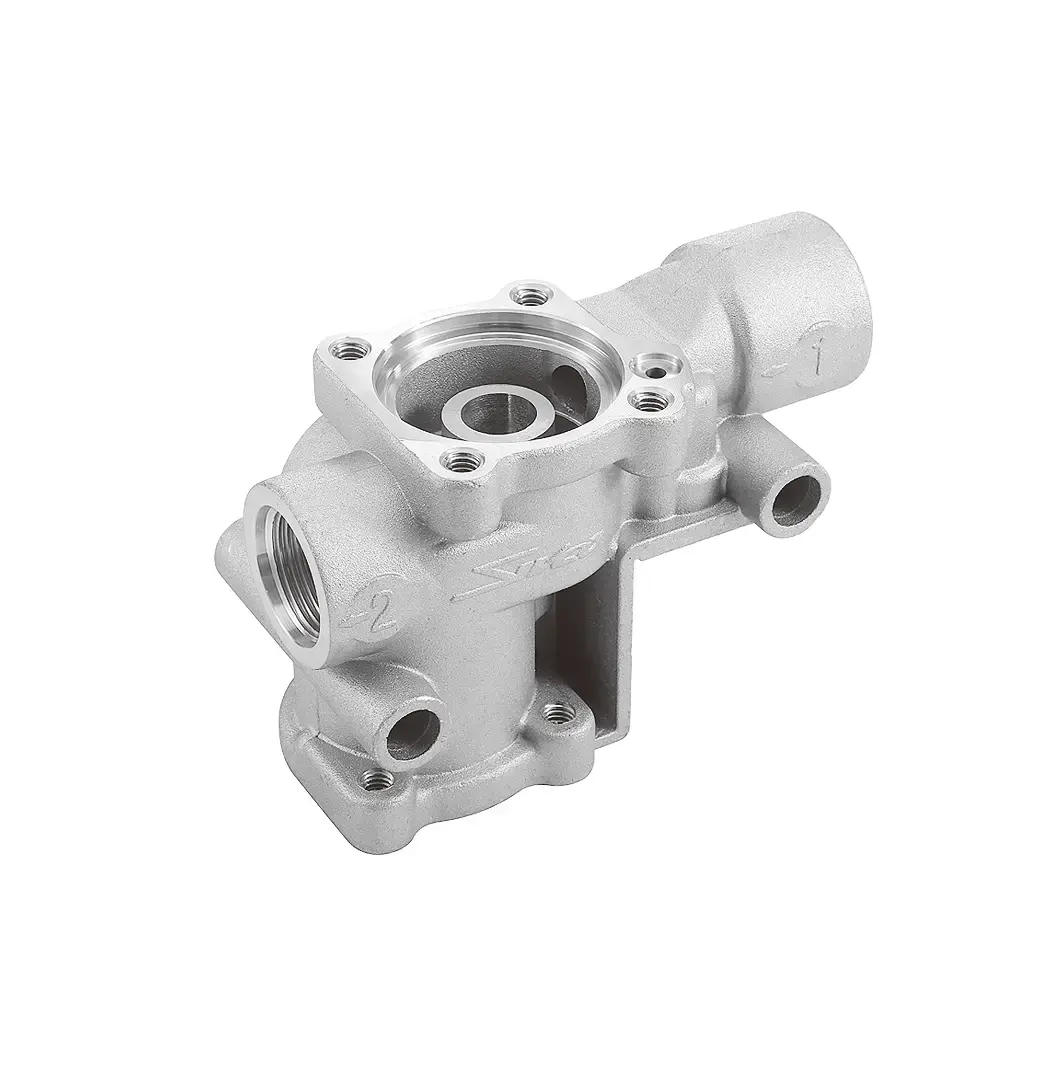
Technological Innovation: The Future Development Direction of High-Pressure Casting
As the automotive industry's demands for integrated and lightweight components increase, aluminum alloy high-pressure casting technology is making breakthroughs in two directions: process improvement and equipment upgrades. Vacuum die casting technology reduces the porosity of castings to below 0.5% by drawing a vacuum into the mold cavity, solving the problem of traditional high-pressure casting's inability to perform heat treatment strengthening, and has been applied to the manufacturing of cylinder blocks for high-end models. Semi-solid die casting further improves the density of castings by cooling molten metal to a solid-liquid coexistence state, controlling porosity to within 0.3%, but its higher cost currently limits it to the aerospace and high-end automotive sectors.
In terms of equipment, the application of ultra-large die casting machines has enabled the integrated casting of cylinder blocks and gearbox housings. The 6000T die-casting machine used in the Tesla Model Y can form the powertrain housing, which was originally composed of multiple parts, in a single process. This not only reduces welding steps but also lowers component weight by more than 10% and shortens the production cycle to 80-120 seconds. The integration of Industry 4.0 technology enables intelligent process control. By collecting data such as melt temperature and injection pressure in real time through sensors, AI algorithms can dynamically adjust process parameters, increasing the casting yield rate from 85% to over 95%.
Conclusion: Process Innovation Drives the Future of Automotive Powertrains
The maturity of aluminum alloy high-pressure casting technology has not only resolved the contradiction between lightweight and high-strength engine blocks but also promoted the transformation of automobile manufacturing from "component assembly" to "integrated molding." From precise alloy composition to intelligent process control, technological breakthroughs in every aspect support the low-carbon and high-efficiency development of the automotive industry. With the popularization of new energy vehicles, engine block manufacturing will face higher integration requirements, and high-pressure casting technology will continue to write the evolutionary history of automotive powertrain systems through integration with other processes.
Website:https://site_9da08755-31f2-4eda-a820-8a764937e5bd/
Email:hantai@zjhantai.cn
Whatsapp:+86 13516964051