



 +86-13516964051

News
Aluminum alloy low
0102030405
Application Prospects of Low-Pressure Casting of Aluminum Alloy in the Rail Transit Industry
2025-11-22
Application Prospects of Low-Pressure Casting of Aluminum Alloys in the Rail Transit Industry
I. Core Technology: The Natural Compatibility of Low-Pressure Casting with Rail Transit
Low-pressure casting of aluminum alloys has become an ideal process choice in the rail transit field due to its three core advantages:
High Precision and High Reliability:Through stable filling under low pressure, the density of castings is increased by more than 30%, and the defect rate such as porosity and shrinkage is significantly reduced, fully meeting the airtightness and fatigue strength requirements of key components such as bogies and braking systems of rail vehicles. Leading international companies have achieved a yield rate exceeding 92%, far higher than traditional Casting Processes.
Ultimate Lightweighting:The density of aluminum alloy is only 1/3 that of steel. Using low-pressure casting for car body structural components can reduce the overall weight of the vehicle by 40%, achieving a mass ratio of 5:7:10 compared to steel or stainless steel car bodies. This lightweighting directly translates into energy consumption optimization—for every ton of weight reduction, the train's energy consumption per 100 kilometers is reduced by 5-8%, making it particularly suitable for the long-distance operation needs of high-speed trains and urban rail transit.
Complex Structure Integration Capability: Enables integrated molding of large, thin-walled hollow profiles, such as the 6N01 aluminum alloy hollow profiles used in the Japanese Shinkansen 300 series cars. These profiles are 567mm wide, 18.3m long, and only 1.6mm thick. Low-pressure casting reduces welding processes by 80%, increasing production efficiency by 40%.
II. Global Application Status: Large-scale penetration from high-speed trains to urban rail networks
High-speed train sector:
Europe: The German ICE train uses AlMgSi₀.₇ alloy (equivalent to 6005A) to manufacture the car body frame. Key load-bearing components of the bogies are near-net-shape formed through low-pressure casting. This allows for an operating speed of 320km/h while reducing traction energy consumption by 12%. Japan: Over 80% of the structural components in the Tohoku Shinkansen 200 series and Sanyo Shinkansen 300 series vehicles are manufactured using low-pressure casting. The combination of 7N01 alloy underframe sleepers and 5083 alloy sidewalls extends the vehicle's service life to over 30 years.
Urban Rail Transit: Metro vehicles in cities like Singapore and Vienna have fully adopted aluminum alloy low-pressure casting bodies, achieving "paint-free operation" due to their corrosion resistance, reducing annual maintenance costs by 25%. Globally, the aluminum alloy content of urban rail vehicles is projected to increase from 45% in 2020 to 62% in 2025, with low-pressure casting accounting for over 35%.
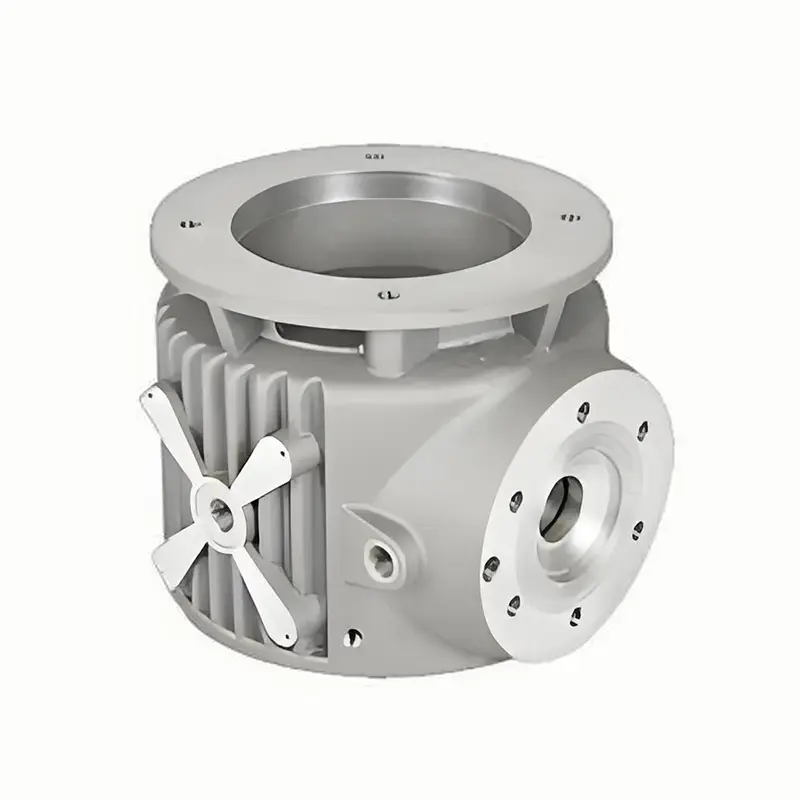
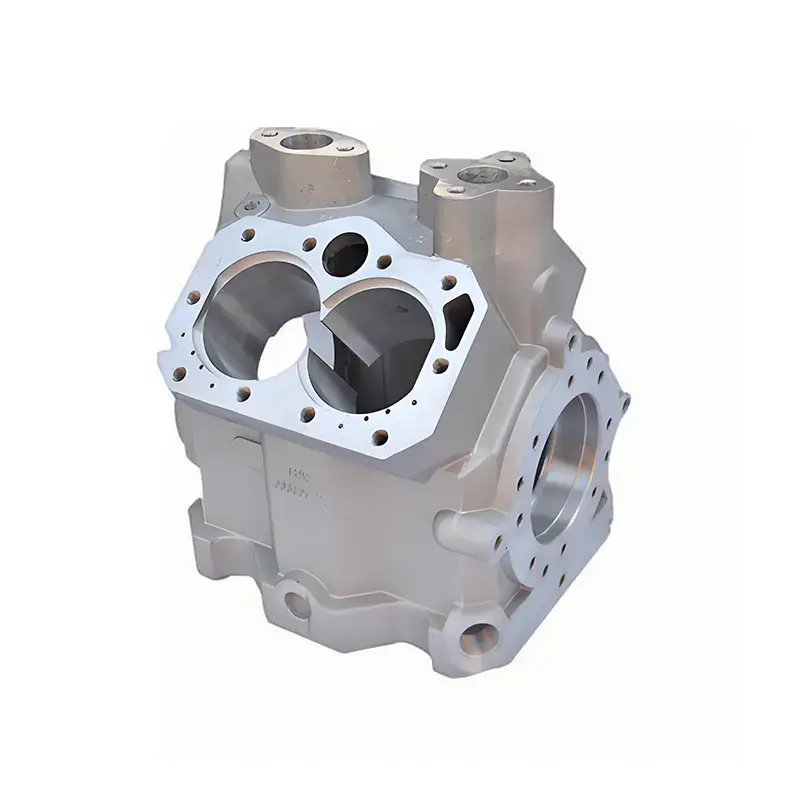
Breakthroughs in Core Components: Precision components such as motor housings in train traction systems and hydraulic valve bodies in braking systems, requiring extremely high sealing and dimensional accuracy, have become key application areas for low-pressure casting. The global market size for low-pressure cast Aluminum Alloy Castings in the rail transit sector reached US$3.65 billion in 2024, maintaining an annual growth rate of over 7.4%.
III. Growth Drivers: The Triple Resonance of Policy, Technology, and Market
Global Carbon Neutrality Policy: The EU's Sustainable and Smart Mobility Strategy requires a 55% reduction in carbon emissions from the transportation sector by 2030 compared to 2010 levels, with lightweighting becoming a core pathway. Low-pressure casting combined with the application of recycled aluminum (recycled aluminum production consumes only 5% of the energy of primary aluminum) can reduce carbon emissions over the entire lifecycle of castings by 90%, perfectly meeting ESG requirements.
High-Speed and Intelligent Upgrades in Rail Transit: New-generation equipment such as the CR450 high-speed train and maglev transportation place higher demands on the strength, precision, and lightweighting of components. The integration of low-pressure casting with high-vacuum assisted and digital control technologies enables mass production of high-strength aluminum alloy castings with tensile strength ≥350MPa, meeting the performance requirements for operating speeds above 350km/h. Emerging Market Infrastructure Expansion:Urban rail network construction in Southeast Asia, Africa, and South America is entering a period of rapid growth. It is projected that 8,000 kilometers of new urban rail lines will be added globally between 2025 and 2030, driving an average annual growth of 8.2% in demand for low-pressure cast aluminum alloy components. The demand for a balance between cost and performance in these markets further highlights the cost-effectiveness advantage of low-pressure casting.
IV. Future Innovation Directions:Process Iteration and Material Breakthroughs
Process Combination: The development of high-vacuum-low-pressure casting composite technology and semi-solid low-pressure casting will further increase casting strength by 15-20%, while enabling one-time molding of complex internal cavity structures, meeting the sensor integration requirements of the era of intelligent driving.
**Material High Performance:The industrialization of new Al-Cu and Al-Zn-Mg alloys will break through the heat resistance and fatigue resistance limits of existing materials, meeting the long-term service requirements of train traction systems under high-temperature conditions (150-200℃). Intelligent Manufacturing: The application of digital twins and AI-powered process optimization systems allows for real-time adjustment of filling pressure and temperature curves, shortening the production cycle by 20% and enabling full-process traceability of casting quality. This trend has been validated in the production lines of companies such as Georg Fischer in Germany and Nippon Light Metals in Japan.
Conclusion: The Core Engine of the Lightweight Revolution
Aluminum alloy low-pressure casting, with its characteristics of "high precision, low energy consumption, and strong adaptability," is deeply integrated into the global upgrade wave of rail transportation. From key load-bearing components of high-speed trains to integrated car bodies of urban rail vehicles, from traditional casting to intelligent production, its application boundaries continue to expand. With the deepening of carbon neutrality goals and the evolution of rail transportation technology, low-pressure casting will become a core link connecting material innovation and industry needs, injecting lasting momentum into the sustainable development of global rail transportation.