Top Insights on Zinc Casting Techniques and Applications?
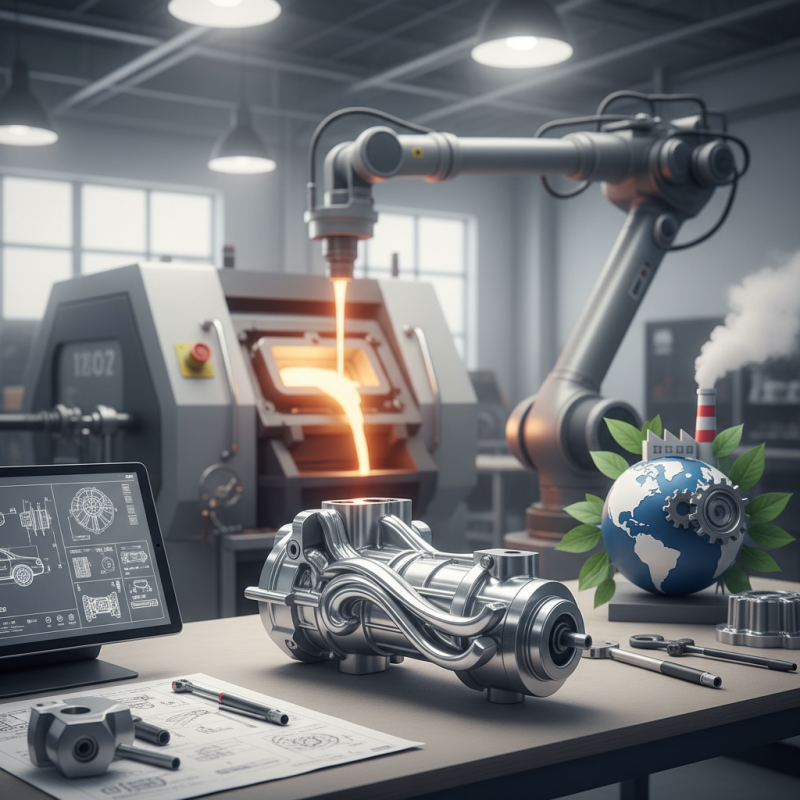
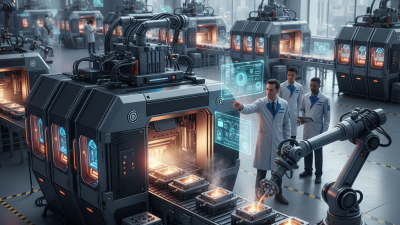
Zinc casting has become a key technique in modern manufacturing. This process allows for the creation of intricate designs and durable components. The versatility of zinc as a material enhances its popularity across various industries.
In recent years, advancements in zinc casting have broadened its applications. From automotive parts to intricate decorative items, the use of zinc is extensive. However, challenges persist in ensuring consistency and quality in the casting process. Manufacturers must pay attention to detail, as imperfections can lead to significant issues.
Understanding zinc casting techniques is crucial for professionals in the field. Knowledge of the latest methods can enhance production efficiency. Moreover, it’s important to consider the environmental impact of zinc sourcing. A careful balance between innovation and sustainability is essential for the future of zinc casting.
Overview of Zinc Casting Techniques
Zinc casting techniques are essential in various industries. These methods provide excellent detail and precision. They are widely used in automotive, electronics, and consumer goods. Understanding these techniques can enhance product development and manufacturing efficiency.
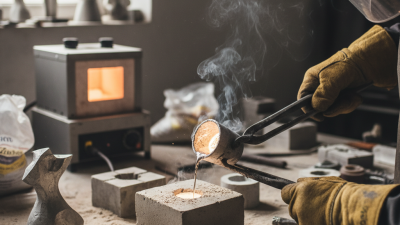
The most common zinc casting method is die casting. This process involves forcing molten zinc into a mold under high pressure. It results in highly accurate parts with minimal surface defects. Another method is sand casting. This method uses sand molds, which are less expensive and suitable for small production runs. However, the finish might not be as smooth as die casting.
Tips: Consider the production volume when selecting a casting method. For large quantities, die casting is ideal. For lower volumes, sand casting may be more cost-effective. Always test samples before full-scale production to identify any issues early. This step can save time and resources.
Zinc casting requires careful temperature control. If the metal is too hot, it may lead to defects. Conversely, if it’s too cool, the casting may not fill the mold properly. Each project presents unique challenges. Reflect on your process regularly to improve it. Understanding these insights can lead to better outcomes in zinc casting applications.
Common Methods of Zinc Casting
Zinc casting is an essential process widely used in manufacturing. The most common methods include die casting, sand casting, and gravity casting. Each technique offers unique advantages tailored for specific applications.
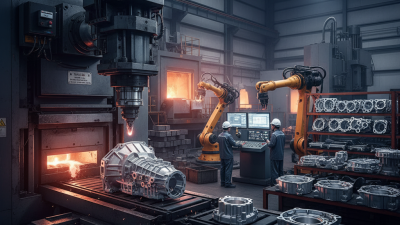
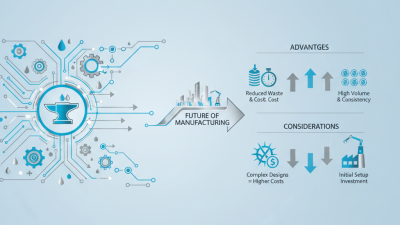
Die casting is favored for its high precision and efficiency. It allows for the production of complex parts with thin walls. The process involves forcing molten zinc into molds under pressure. This technique often results in smoother surfaces and better detail. However, initial setup costs can be high, which might deter smaller manufacturers.
In contrast, sand casting is more versatile. It allows for larger batch sizes and can accommodate various part sizes and shapes. The sand mold can be reused, lowering production costs in the long run. On the downside, this method may lead to rougher surface finishes, requiring additional machining. Gravity casting, while also efficient, may lack the detail and speed of die casting. Each method has its merits and challenges, requiring careful consideration based on production needs.
Top Insights on Zinc Casting Techniques and Applications
| Casting Method |
Description |
Applications |
Advantages |
| Die Casting |
A method where molten zinc is injected into a mold under pressure. |
Automotive parts, electronic housings, and plumbing fittings. |
High accuracy, smooth surface finish, and fast production rates. |
| Sand Casting |
Using sand as the mold material to create parts from liquid zinc. |
Heavy machinery components, art applications, and prototypes. |
Flexibility in design, low cost for small production runs. |
| Permanent Mold Casting |
Involves pouring zinc into a reusable metal mold. |
Tools, jigs, fixtures, and various structural components. |
Good surface finish and dimensional accuracy with high production efficiency. |
| Investment Casting |
Precision casting technique using a wax pattern coated with ceramic. |
Aerospace components, intricate art pieces, and custom designs. |
High precision, ability to cast complex shapes and thin walls. |
Applications of Zinc Cast Products in Various Industries
Zinc cast products are gaining traction across multiple industries due to their unique properties. The automotive sector, for example, benefits greatly from zinc casting. Components like brackets and housings are produced with remarkable strength and corrosion resistance. This ensures durability in harsh environments. Such characteristics make zinc an ideal choice for high-performance applications.
In the electronics industry, zinc die casting serves crucial functions. Enclosures for various electronic devices are often made from zinc. This metal provides excellent electromagnetic shielding. However, there are challenges related to the thermal conductivity of zinc, which can affect performance. Manufacturers must address these issues consistently to enhance product reliability.
The construction industry also utilizes zinc casting in fixtures and fittings. Zinc’s aesthetic appeal adds value to architectural designs. Yet, the environmental impact of zinc mining raises concerns. It’s essential for stakeholders to consider sustainable practices. This reflection can lead to better approaches in the future, ensuring that zinc continues to serve diverse applications effectively.
Application of Zinc Cast Products Across Various Industries
Advantages of Zinc Casting Over Other Materials
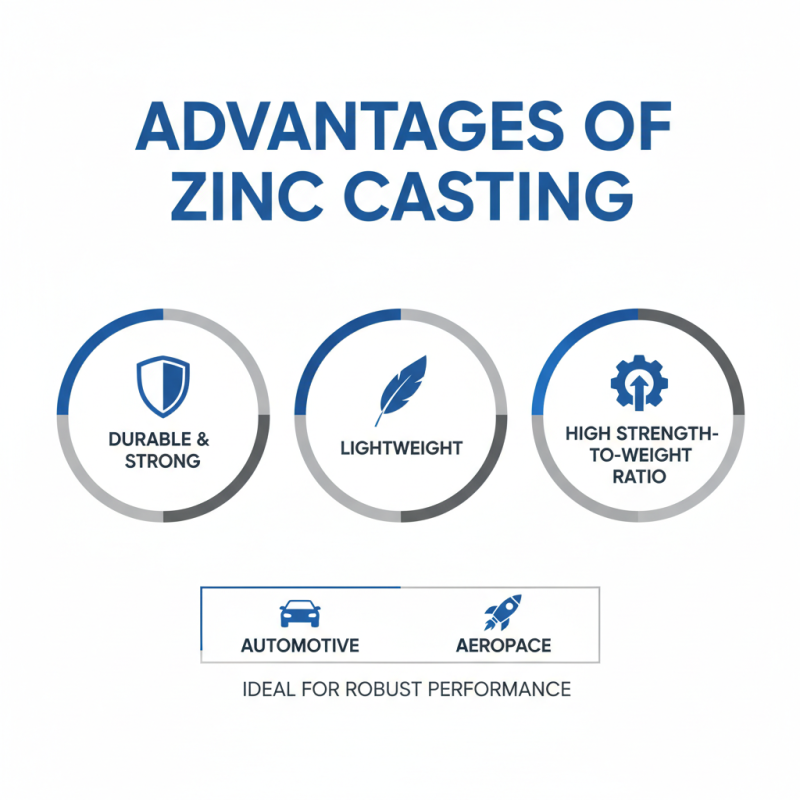
Zinc casting presents several advantages that make it a popular choice in manufacturing. The material is lightweight yet durable, offering excellent strength-to-weight ratios. This balance makes zinc ideal for parts that require robust performance without adding excessive weight, a key consideration in industries like automotive and aerospace.
One major benefit of zinc casting is its corrosion resistance. Unlike many other metals, zinc naturally forms a protective layer. This layer shields the material from oxidation and wear. As a result, components can have a longer lifespan, reducing the need for frequent replacements. Additionally, zinc casting allows for intricate designs. Manufacturers can create complex shapes with fine details, enhancing aesthetic appeal and functionality.
Cost-effectiveness is another advantage. Zinc casting often requires less secondary processing compared to other materials. This means quicker production times and reduced labor costs. However, finding the right balance in design and material selection remains crucial. Users must consider specific application needs to optimize performance. The versatility of zinc makes it a valuable resource, but careful evaluation is necessary to ensure it meets all project requirements effectively.
Best Practices for Zinc Casting Process Management
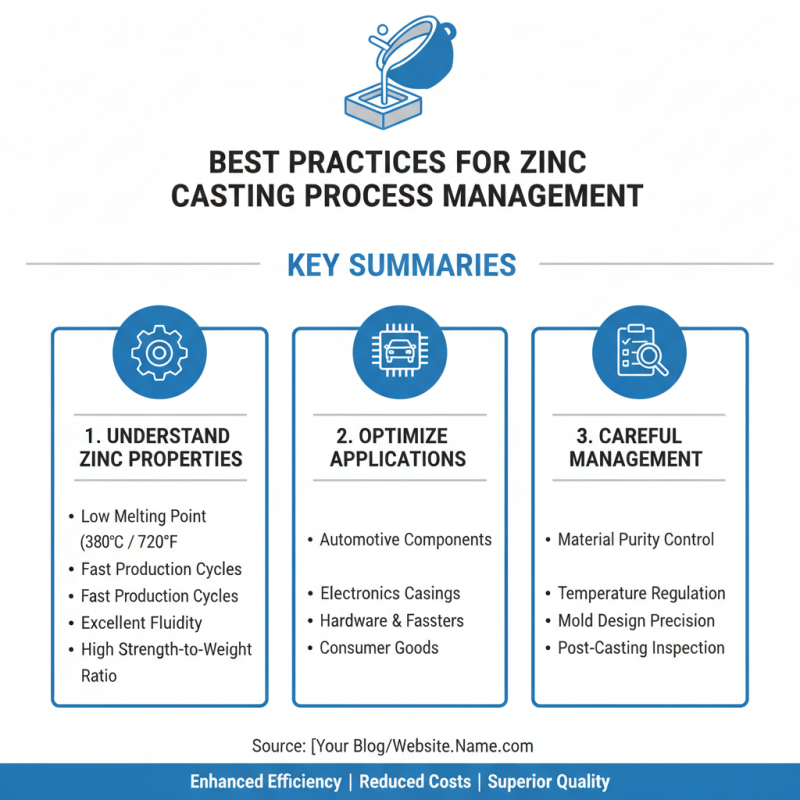
Zinc casting is a complex process that requires careful management for optimal results. Understanding the properties of zinc is crucial. Zinc melts at a relatively low temperature, allowing quicker production cycles. This attribute makes it a popular choice in various industries, from automotive to electronics.
Effective process management is essential to minimize defects. Contamination can occur if the melt is not properly protected from oxidation. Skilled operators should monitor temperature closely. Inconsistent temperatures can lead to unwanted variations in casting quality. Regular equipment maintenance also plays a vital role in sustaining quality production.
Additionally, achieving an optimal pouring technique is beneficial. Pouring too quickly can cause turbulence, leading to air pockets. Conversely, pouring too slowly may induce solidification before the mold is filled. The balance is delicate and requires practice and refinement. Adapting techniques based on specific requirements can yield better results. The need for continual improvement is apparent, as even seasoned professionals face challenges. Learning from these experiences enhances skills and ensures better future outcomes.

 +86-13516964051


 CONTACT NUMBER
 CONTACT NUMBER