What is a Vacuum Booster and How Does It Work?
A Vacuum Booster is an essential component in modern braking systems. It enhances braking performance by amplifying the force applied to the brake pedal. This device ensures smooth and effective stopping, especially in vehicles. Understanding how the Vacuum Booster works provides insights into automotive safety.
When you press the brake pedal, air pressure is crucial. The Vacuum Booster uses a vacuum source, typically from the engine. This vacuum helps to create a difference in pressure. As a result, it increases the force exerted on the braking system. The process seems simple, but its mechanics are intricate and often overlooked.
Motorists usually trust that their brakes will work perfectly. Yet, the functioning of a Vacuum Booster can wear down over time. It's vital to check this component regularly. If neglected, it can lead to a significant decrease in performance. This could compromise safety. Regular maintenance ensures that both the Vacuum Booster and brakes operate effectively. Understanding its role invites reflection on overall vehicle performance and safety.
What is a Vacuum Booster?
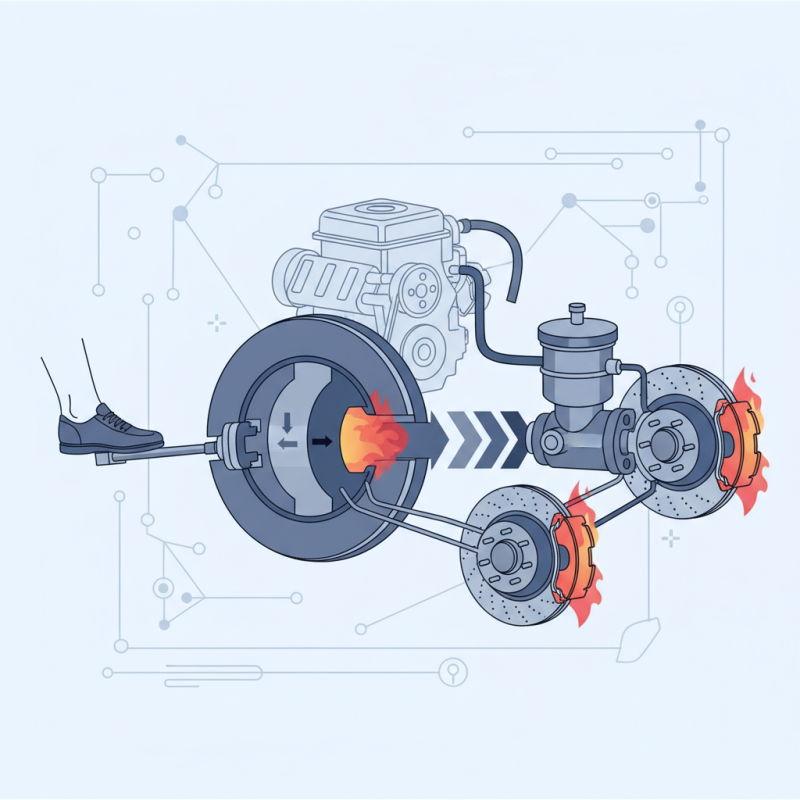
A vacuum booster is a device used in brake systems. It enhances the force applied on brake pedals, making braking more efficient. When you press the brake pedal, air is drawn into the booster chamber. This creates a pressure difference, amplifying the driver's effort.
The vacuum booster operates using a simple mechanism. It has a diaphragm that moves due to the pressure difference. When the diaphragm moves, it pushes a piston, which then activates the brake master cylinder. This system allows for a smoother and quicker stop. However, it's essential to understand that not all vehicles use vacuum boosters. Some might rely on different technologies.
There can be issues with vacuum boosters. For instance, a vacuum leak can reduce efficiency. It can lead to a longer stopping distance. Many drivers might not notice when this happens. Understanding how this device works is crucial for maintenance. Regular checks can prevent potential brake failures. Ignoring these components can be dangerous. Being informed helps ensure safety on the road.
The Functionality of a Vacuum Booster in Automotive Systems
A vacuum booster plays a crucial role in automotive braking systems. It enhances the driver's input, making it easier to apply the brakes. The device uses vacuum pressure generated by the engine. When the brake pedal is pressed, the vacuum booster multiplies the force exerted. This means that even a light push can result in significant braking power.
In essence, the vacuum booster relies on a delicate balance of air pressure. This can sometimes lead to inconsistency if the engine's vacuum is weak. Drivers might experience a stiff brake pedal or reduced braking efficiency. Regular checks on the vacuum system are essential. If the system malfunctions, it can compromise vehicle safety.
Moreover, the complexity of this system can be a concern. Vehicles with worn or damaged components may face delayed braking responses. It's vital for car owners to remain vigilant about their brake performance. A small issue could quickly escalate, leading to dangerous situations on the road. Understanding the functionality of a vacuum booster can empower drivers to recognize when something's off.
What is a Vacuum Booster and How Does It Work? - The Functionality of a Vacuum Booster in Automotive Systems
| Component |
Function |
Working Principle |
Common Applications |
| Vacuum Booster |
Assists in amplifying brake force |
Uses engine vacuum to enhance brake pedal force |
Passenger cars, trucks, and heavy vehicles |
| Diaphragm |
Creates a pressure difference |
Flexes when vacuum is applied, modifying brake pressure |
Braking systems in various automotive applications |
| Vacuum Chamber |
Stores vacuum for actuation |
Maintains negative pressure while the engine is running |
Used in both traditional and hybrid vehicles |
| One-Way Valve |
Prevents vacuum loss |
Allows air to flow in one direction to maintain vacuum |
Essential for consistent brake performance |
Key Components of a Vacuum Booster Explained
A vacuum booster is a critical component in many vehicles, acting to enhance braking efficiency. It utilizes engine vacuum to amplify the force applied to the brake pedal. By doing this, it reduces the driver’s effort needed to engage the brakes, providing a smoother, more responsive braking experience.
Key components of a vacuum booster include the diaphragm, housing, and check valve. The diaphragm separates two chambers: one exposed to engine vacuum and the other to atmospheric pressure. When the brake pedal is pressed, the diaphragm moves, allowing for increased force transmission to the brake system. Industry reports indicate that 70% of modern vehicles now use vacuum boosters to enhance safety and performance.
The check valve plays a vital role by preventing air from entering the vacuum side. If this valve fails, it can lead to insufficient braking force and potentially hazardous situations. However, maintaining these components can be challenging, as wear and tear are often overlooked. Regular inspections are crucial. A recent study showed that 15% of drivers reported issues with their vacuum boosters, underscoring the need for awareness and proactive maintenance.
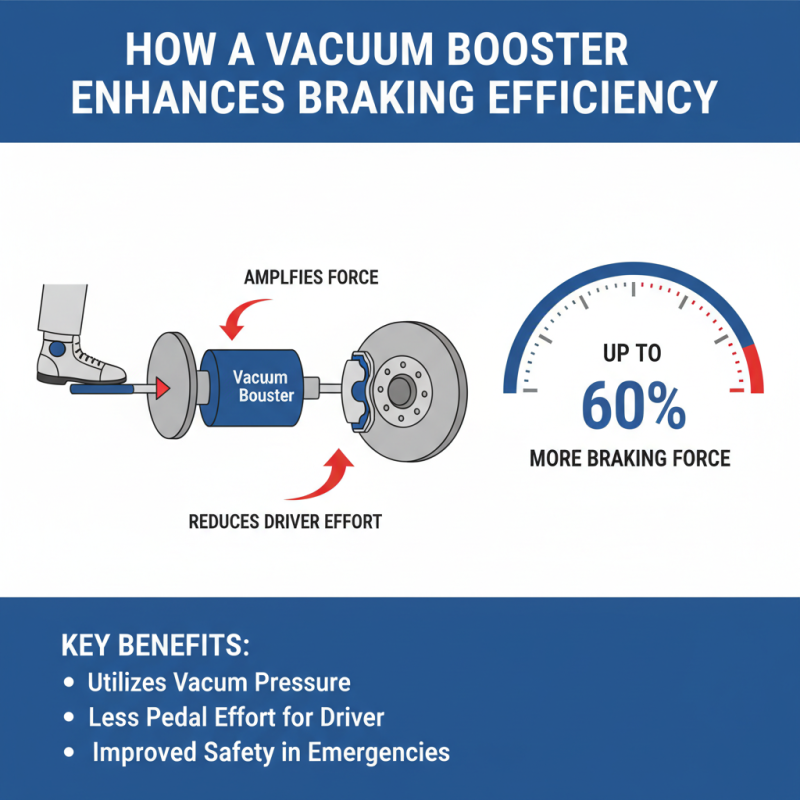
How a Vacuum Booster Enhances Braking Efficiency
Vacuum boosters play a crucial role in enhancing braking efficiency. These devices utilize vacuum pressure to amplify force applied to the brake pedal. By doing so, they reduce the effort needed from the driver. Studies show that vacuum boosters can increase braking force by up to 60%. This improvement makes a significant difference, especially in emergency situations.
The operation of a vacuum booster involves a diaphragm that separates two chambers. One chamber is exposed to atmospheric pressure while the other is under vacuum. When the driver presses the brake pedal, the diaphragm shifts, creating a pressure difference. This mechanism results in a much stronger braking force applied to the vehicle's brake system. In fact, data indicates that vehicles equipped with vacuum boosters can achieve shorter stopping distances.
Challenges exist in maintaining optimal performance. Over time, vacuum leaks can compromise the system's efficiency. For instance, a minor crack can result in a 10% loss in braking power. Regular inspections are necessary to ensure these components function properly. Although vacuum boosters greatly enhance braking, they are not immune to wear and tear. Thus, awareness and proactive maintenance are key to maximizing the benefits of this important technology.
Common Issues and Maintenance for Vacuum Boosters
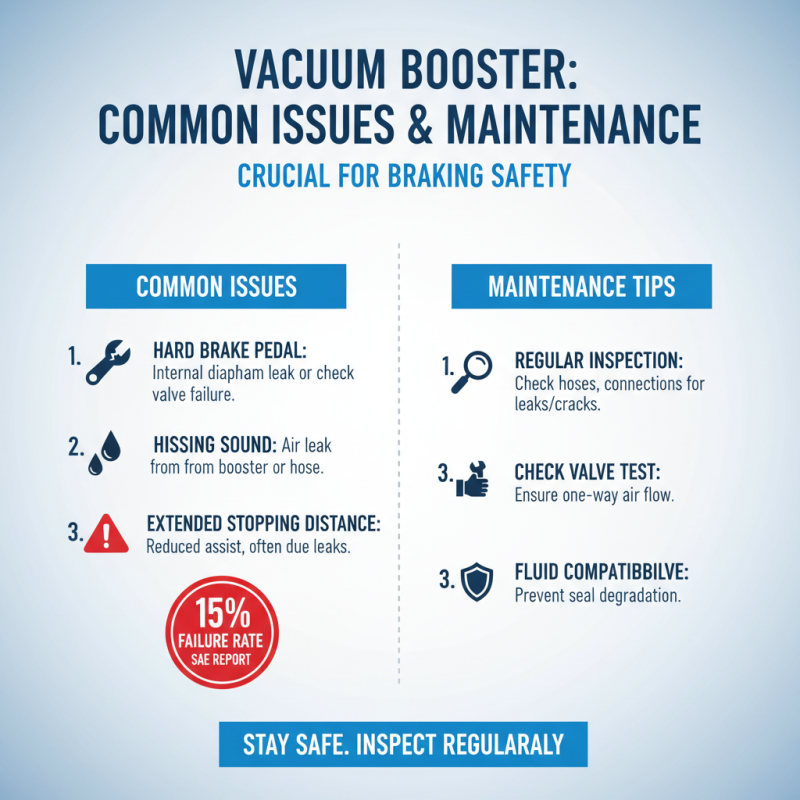
Vacuum boosters are crucial in many braking systems. They enhance brake force, ensuring effective vehicle stopping power. However, like any automotive component, they face common issues that require attention. A report by the Society of Automotive Engineers revealed that around 15% of vacuum boosters experience failures. This can lead to safety risks.
Regular maintenance is key to longevity. Inspect the vacuum lines for cracks or leaks. A damaged line can reduce the effectiveness of the boost. According to industry data, leaks can decrease braking efficiency by more than 30%. It’s not just about checking fluid levels; visual inspections are critical. Look for any signs of wear or damage.
Drivers must also be mindful of performance changes. A soft brake pedal or extended stopping distance often signals a problem. Ignoring these signs can escalate repair costs. Remember, a vacuum booster is not immune to wear and tear. Regular maintenance checks can reveal underlying issues, preventing larger, costlier problems down the road. Neglecting maintenance can lead to dire consequences, so staying proactive is essential.

 +86-13516964051


 CONTACT NUMBER
 CONTACT NUMBER