Top 10 Zinc Casting Techniques for Optimal Performance?
Zinc casting plays a crucial role in producing high-quality metal components. Industries rely on these techniques to create durable and intricate parts. Understanding the top zinc casting methods can lead to improved performance and efficiency.
Each method has its advantages and limitations. For instance, die casting offers great precision but can be costly. Sand casting, while more affordable, may lack the fine detail of die casting. It’s essential to weigh these aspects carefully.
Many companies overlook key factors, like mold design and metal temperature. These variables can affect the final product's quality. Reflection on these points can lead to better decision-making. Knowledge of the best practices in zinc casting is imperative for success. Embracing these techniques can enhance both production and competitiveness.
Zinc Die Casting: An Overview of Techniques
Zinc die casting is a versatile manufacturing process. It involves forcing molten zinc into molds. This technique can produce complex shapes with high precision. According to industry reports, the global zinc die casting market is expected to reach USD 10 billion by 2025. Techniques vary, each with unique advantages for performance optimization.
One effective method is high-pressure die casting. It provides superior dimensional accuracy. However, it can be more costly. For those seeking a cost-effective way to produce zinc parts, gravity casting might be a better option. This technique lacks the high pressure but can still yield quality components for less demanding applications.
Tips: Always evaluate the intended application of your zinc components. Understanding mechanical properties can guide your technique choice. Additionally, consider the design intricacies. An overly complex design may lead to defects in the casting process. Reassess your designs for manufacturing feasibility before production begins.
Importance of Zinc Alloy Selection for Casting Quality
When it comes to casting quality, selecting the right zinc alloy is crucial. Zinc alloys differ significantly in their properties and performance. For instance, ZA alloy series show excellent durability but may be less corrosion-resistant than others. Meanwhile, Zamak alloys, commonly used for intricate designs, offer better fluidity and strength. Choosing the wrong alloy can lead to casting defects, impacting the final product's integrity.
Recent studies indicate that more than 25% of casting failures are linked to alloy selection. A proper match between the desired characteristics and alloy properties can minimize issues like porosity and shrinkage. Furthermore, the American Foundry Society highlights that the choice of alloy impacts the casting cycle time. Shorter cycle times improve production efficiency, but only if the alloy’s characteristics align with the design needs.
Variables such as temperature and cooling rates can influence the quality of zinc castings. Higher temperatures might yield better fluidity but at the cost of mechanical strength. Balancing these factors can be challenging. Frequent adjustments are necessary as foundries refine their processes. Feedback from each casting run can guide future alloy choices and techniques. While optimal performance is the goal, finding the perfect zinc alloy often requires a process of trial and error.
Top 10 Zinc Casting Techniques for Optimal Performance
Step-by-Step Process of Zinc Die Casting
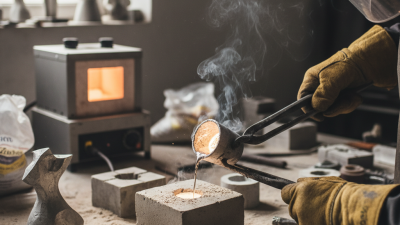
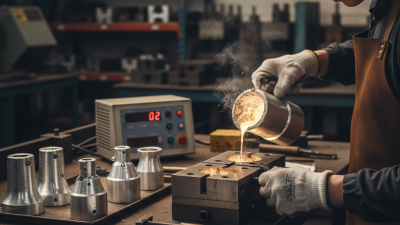
Zinc die casting is an efficient method for creating precise metal parts. The process begins with melting zinc at high temperatures. This liquid metal must be poured into a mold quickly. Timing is crucial. If the metal cools too much, it won't fill the mold completely. This can lead to defects.
Once the molten zinc is ready, it is injected into a steel die under pressure. The pressure ensures that the molten metal fills every corner of the mold. After injection, cooling occurs. This step is vital for achieving the desired strength and hardness. Too rapid or slow cooling may impact the final quality.
After the parts cool, they are ejected from the mold. Trimming may be necessary to remove any excess material. This process can sometimes result in edges that are not perfectly smooth. It requires careful inspection to catch and address any imperfections. Each step is a balance between speed and quality. Mistakes can lead to waste, so monitoring is essential in every phase.
Innovative Mold Design Practices for Optimal Zinc Casting
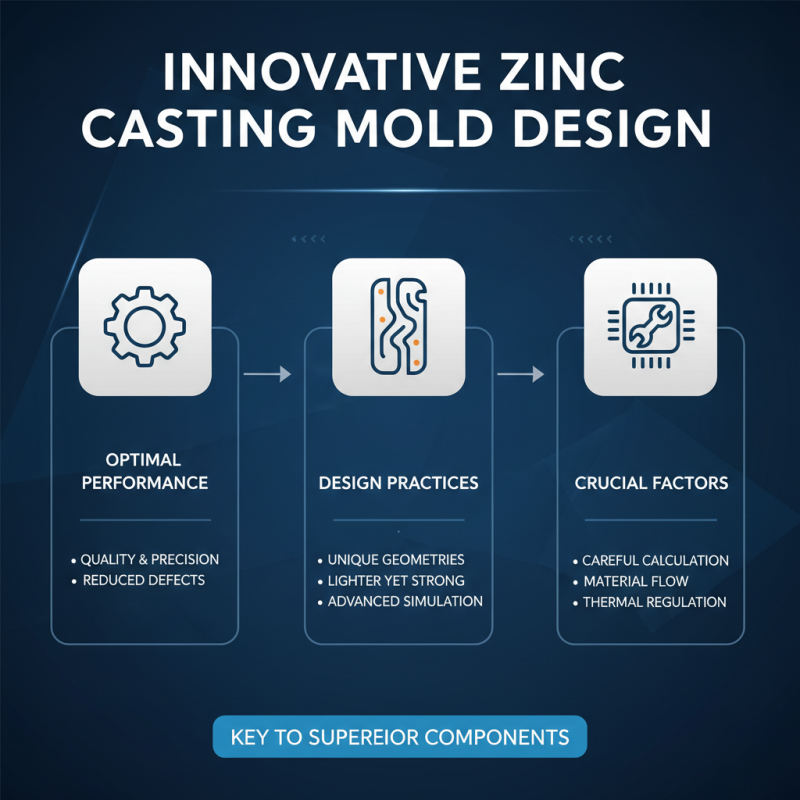
Innovative mold design practices are crucial for achieving optimal performance in zinc casting. The design of molds can influence the overall quality and precision of the cast components. For instance, incorporating unique geometries can reduce weight while maintaining strength. However, this requires careful calculation and simulation. A poorly designed mold, even with advanced techniques, can lead to defects.
Using modern materials for mold creation enhances thermal management. These materials can withstand high temperatures and reduce cooling time. However, they also come with challenges. The cost can escalate quickly, and careful selection is necessary to avoid waste. Simulations for flow analysis help predict potential problems, but they may not catch every issue.
Implementing innovative cooling channels within molds promotes more uniform cooling. This practice minimizes distortion and increases durability. However, designing these channels requires experience and rigorous testing. Overlooking small design flaws can result in significant setbacks during production. Ultimately, the fine balance between innovation and practicality defines successful zinc casting outcomes.

 +86-13516964051


 CONTACT NUMBER
 CONTACT NUMBER