What is a Sand Manufacturing Machine and How Does It Work?
The Sand Manufacturing Machine plays a crucial role in today's construction industry. This innovative equipment transforms raw materials into high-quality sand. The process is vital for creating concrete and other building materials. As demand for construction continues to rise, optimizing sand production is essential.
These machines utilize various techniques to crush and shape materials. They can produce different grades of sand, suitable for numerous applications. Advanced technology in these machines enhances efficiency and reduces waste. However, some challenges persist, including operation costs and maintenance issues.
While the Sand Manufacturing Machine significantly contributes to construction, it is not without drawbacks. Manufacturers must address potential environmental impacts. Balancing production efficiency and sustainability remains a critical consideration. As the industry evolves, continuous improvement in machine design and operation is necessary for future success.
Definition and Purpose of a Sand Manufacturing Machine
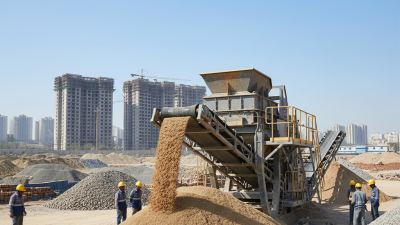
A sand manufacturing machine is designed to produce artificial sand. This machine plays a crucial role in construction. It creates fine aggregates for concrete, mortar, and other building materials. According to industry reports, the demand for manufactured sand is increasing by 5% annually.
The purpose of a sand manufacturing machine is to meet the growing need for quality sand. Natural sand resources are depleting rapidly. In many regions, natural sand extraction is restricted due to environmental issues. The manufactured alternative offers a sustainable solution. Typically, these machines crush rock or gravel into sand-sized particles. They can significantly reduce costs in the long run. However, the initial setup can be expensive and may require extensive maintenance.
Despite these benefits, there are challenges to consider. Not all manufactured sand meets industry standards. Some produced sand may not have the specific grain shape or size required for high-quality concrete. This can lead to issues in construction projects. Continuous research is necessary to improve the technology further. Investing in better machines and refining processes can help address these concerns. Quality control is essential to ensure the effectiveness of sand manufacturing.
What is a Sand Manufacturing Machine and How Does It Work?
| Aspect |
Details |
| Definition |
A sand manufacturing machine is a type of equipment designed to produce sand from various materials through crushing, grinding, and screening processes. |
| Purpose |
To provide a consistent and high-quality supply of sand for construction, industrial applications, and other uses. |
| Working Principle |
The machine typically operates by feeding raw materials into a primary crusher, where they are broken down before moving to secondary crushers for further reduction, and finally passed through screens to separate desired sand sizes. |
| Types |
Vertical shaft impact (VSI) crushers, cone crushers, and rotary screens are commonly used in sand manufacturing machines. |
| Benefits |
Offers high efficiency, cost-effectiveness, and the ability to produce various grades of sand suitable for specific applications. |
| Applications |
Used in construction, concrete production, glass manufacturing, foundries, and landscaping. |
Key Components of a Sand Manufacturing Machine
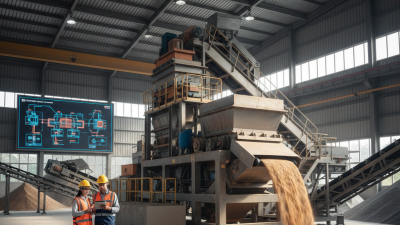
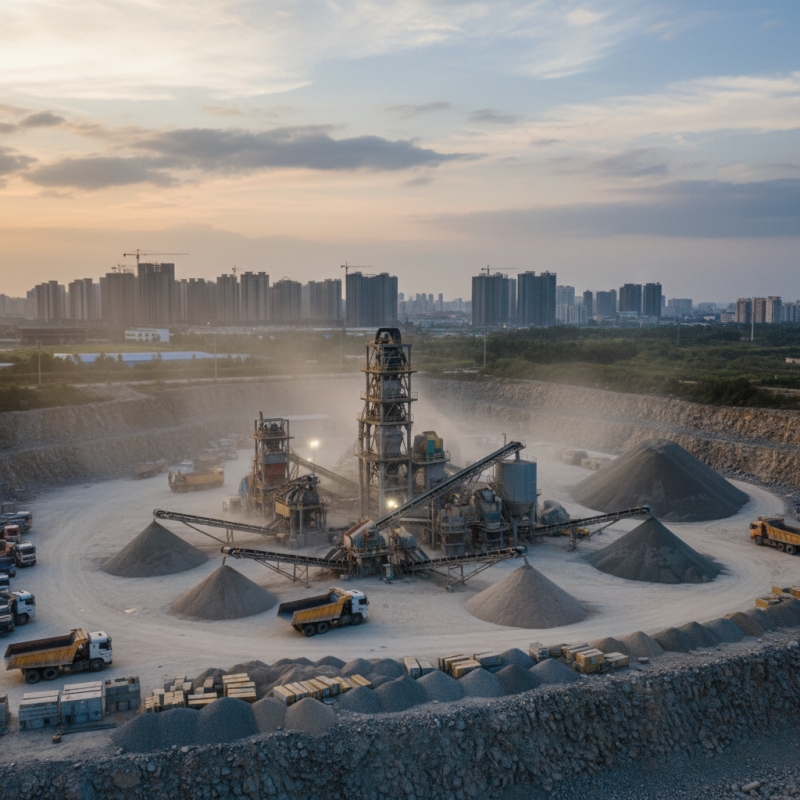
A sand manufacturing machine plays a critical role in the construction and mining industries. Understanding its key components is essential for optimizing production. The main parts include the crushing unit, screening unit, and the sand washing system. Each component contributes to the overall efficiency and quality of the final product.
The crushing unit typically uses high-impact technology to reduce large rock fragments into smaller particles. Reports show that an efficient crushing process can increase material yield by up to 30%. This unit must be regularly maintained to prevent wear and tear, which can lead to reduced output. The screening unit follows, separating finer materials from coarse ones. It's crucial for ensuring the sand meets industry specifications. Some machines utilize vibrating screens, which may lead to operational challenges if not calibrated correctly.
Meanwhile, the sand washing system enhances the purity of the sand by removing impurities like clay and silt. Data from industry reports highlight that up to 70% of end-product quality relies on this process. However, many facilities still struggle with water management in their washing processes. This inefficiency can cost companies in both resources and compliance issues. Attention to these areas can significantly elevate production standards, making a visible difference in the final aggregate quality.
Operational Process of Sand Manufacturing
Sand manufacturing machines play a crucial role in producing quality sand for construction. The operational process involves several key steps. Initially, raw materials, often including gravel and crushed stones, are fed into the machine. A report by the International Journal of Mining Science and Technology highlights that effective raw material processing can enhance production efficiency by up to 30%.
Next, the materials undergo crushing and screening. This step separates fine particles from larger ones, ensuring uniformity in size. Studies indicate that a well-optimized screening process can lead to a 15% reduction in waste. However, it is essential to monitor the machinery for wear and tear. Frequent checks can prevent equipment failure and maintain production quality.
Finally, the sand is washed and graded. This stage is critical to remove impurities. Data from industry reports show that clean sand significantly boosts concrete strength, an aspect often overlooked during production. Despite advancements, achieving perfect sand consistency remains challenging. Regular adjustments may be necessary to meet varying demands. Ultimately, understanding and refining these operational processes can improve overall efficiency and product quality.
Types of Sand Manufacturing Machines Available
Sand manufacturing machines play a crucial role in the construction industry. They efficiently produce high-quality sand, essential for concrete and asphalt production. Various types of these machines can adapt to different operational needs. The primary categories include vertical shaft impactors (VSIs), cone crushers, and hammer mills. Each type presents unique features.
Vertical shaft impactors are known for their ability to create sand from stone. They produce fine aggregates with a consistent gradation. According to industry reports, manufacturers often prefer VSI machines for their efficiency, producing up to 50% finer sand than other methods. Cone crushers, on the other hand, are effective in breaking larger stones into smaller particles. They are often used as primary crushers in sand production lines.
Hammer mills serve a different purpose. They are designed for producing sand from softer materials. These machines are relatively simple but often require careful maintenance. Mismanagement can lead to inefficient operations. Recent data suggests that up to 20% of production costs can stem from machine downtime. Ultimately, choosing the right type of sand manufacturing machine depends on specific project requirements. Each machine has its strengths and challenges.
Sand Manufacturing Machine Output Comparison
Applications and Benefits of Sand Manufactured Sand
Manufactured sand is becoming a popular alternative to natural sand in various industries. The global demand for high-quality construction materials is driving this change. A recent report indicates that the manufactured sand market is projected to grow at a CAGR of 5.5% from 2021 to 2026. This growth is tied to the increased construction activities in developing countries and the need for sustainable building materials.
Manufactured sand offers several advantages. It has a consistent quality, which makes it suitable for mixing concrete. High-quality aggregates can lead to better compressive strength and reduced water absorption in concrete. Many construction professionals are now emphasizing the use of manufactured sand due to its cost-effectiveness. An industry study found that using manufactured sand can reduce costs by up to 30%. However, the production process requires significant energy and resources, raising concerns about sustainability.
Despite its benefits, there are challenges to overcome. Some argue that manufactured sand lacks the desired texture for certain applications. Also, not all manufactured sand is created equal; variations in production methods can lead to inconsistency in quality. The focus on strict quality control during the manufacturing process is essential. As the industry evolves, improvements and innovations in sand manufacturing machines will likely address these concerns effectively.

 +86-13516964051


 CONTACT NUMBER
 CONTACT NUMBER