10 Essential Tips for Choosing Die Cast Car Parts for Your Model Collection?
When building a collection of die cast car parts, quality and authenticity stand paramount. Renowned model collector and expert, John McRae, emphasizes, "The right parts can make or break your model." Selecting the best die cast car parts can define your collection's value.
Many enthusiasts overlook the importance of sourcing genuine parts. Some may opt for cheaper alternatives, but those choices often lead to disappointment. Details matter. The right paint finish or accurate detailing will enhance the realism of your model. In the die cast industry, there is a wealth of components available, but not all are created equal.
Choosing die cast car parts requires careful consideration and a keen eye. Spend time researching reputable sources. Understand the nuances of quality and craftsmanship. Authenticity impacts both your collection's appeal and its potential market value. As you embark on this journey, remember that patience and diligence yield the best results. The process can be daunting, but it’s worth it for the satisfaction of a well-curated collection.
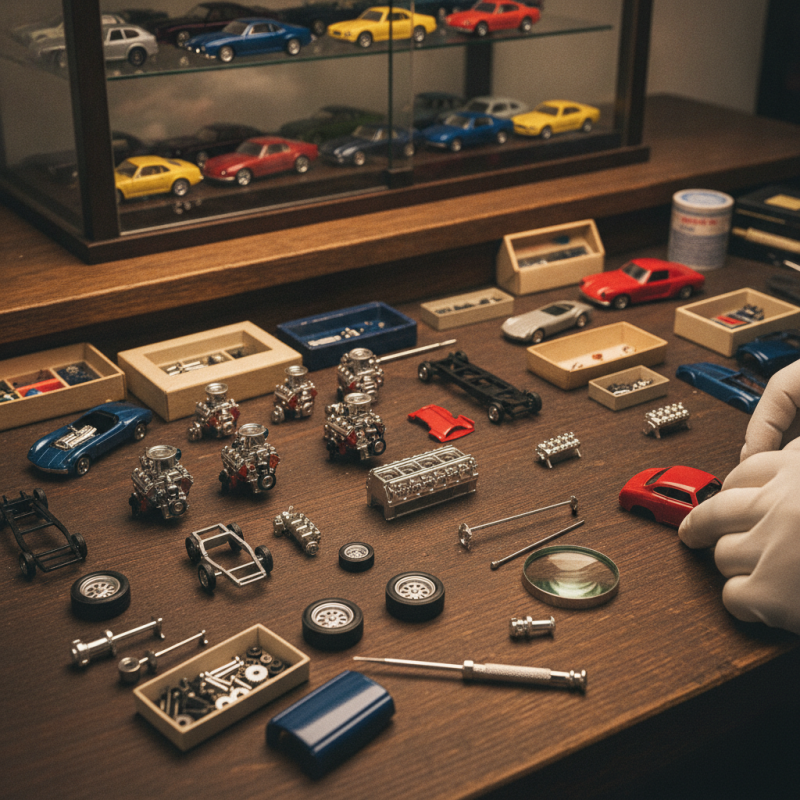
Understanding the Basics of Die Cast Car Parts for Model Collecting
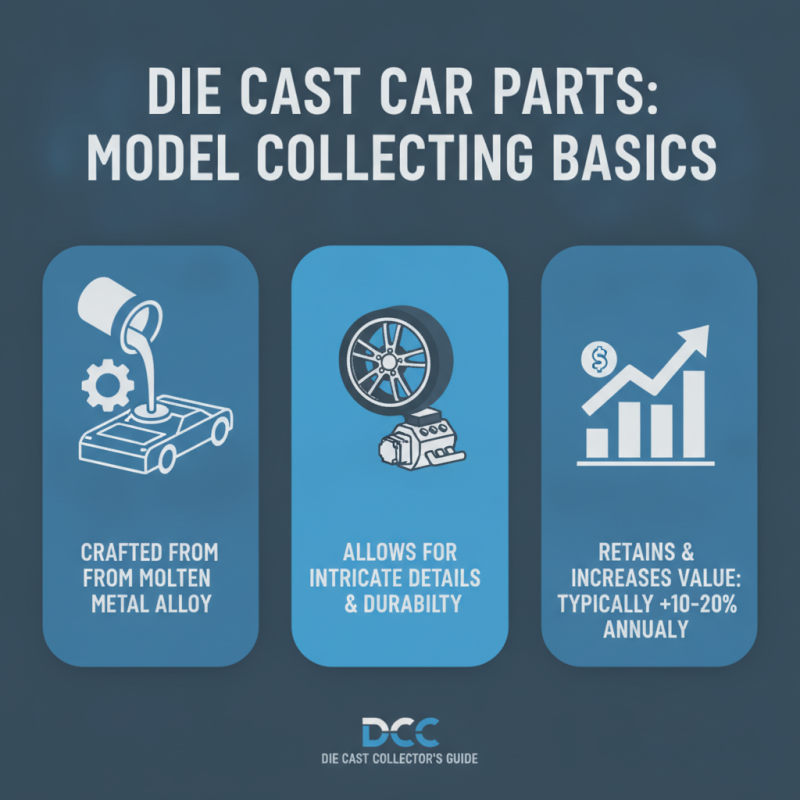
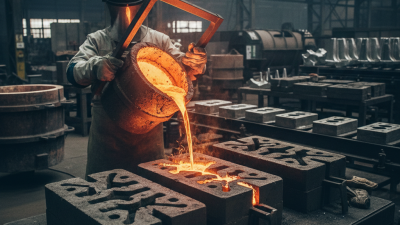
Die cast car parts are integral to model collecting. Understanding their basics can significantly enhance your collection. These parts are crafted from a molten metal alloy, allowing for intricate details and a high level of durability. According to industry reports, die cast models can retain their value remarkably well over time, often increasing by 10-20% annually.
When choosing die cast parts, consider the material and design intricacies. The weight of the metal contributes to the overall impression of quality. Generally, die cast parts have a smoother finish. However, imperfections can occur, particularly in mass-produced items. Some collectors find these flaws add character to their models, while others may see them as undesirable.
Additionally, pay attention to the scale of your models. Common scales include 1:18, 1:24, and 1:43. Each scale presents unique challenges in terms of available parts and detailing. Research shows that collectors often struggle with the consistency of part availability. Hence, having a clear focus on the desired scale is vital for building a cohesive collection.
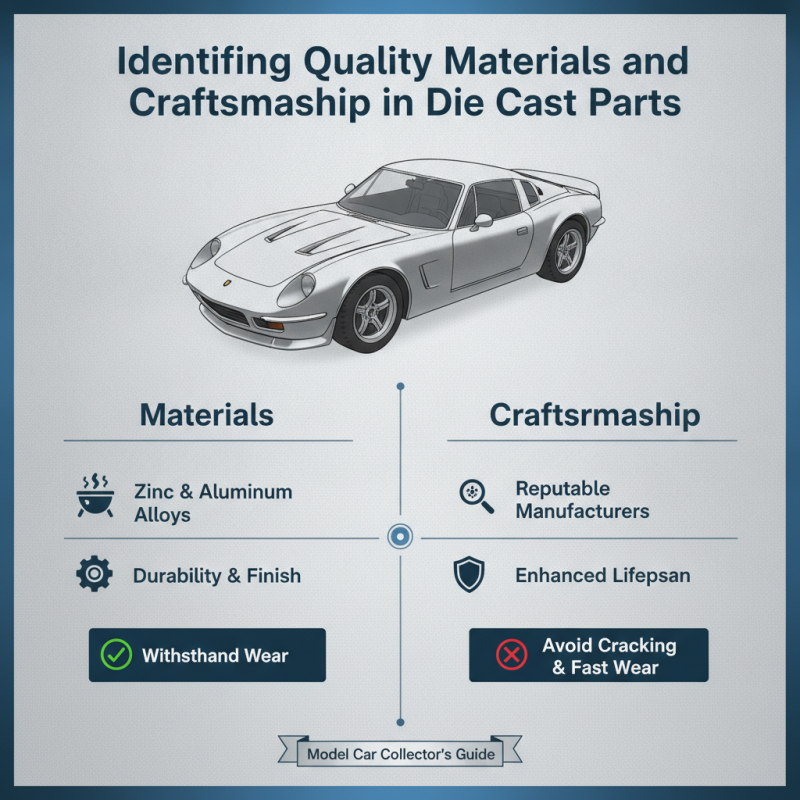
Identifying Quality Materials and Craftsmanship in Die Cast Parts
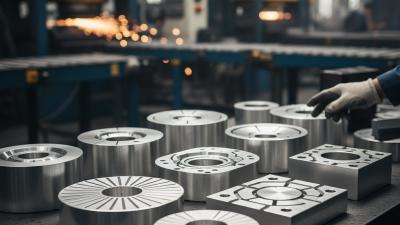
When selecting die cast car parts for model collections, assessing materials and craftsmanship is vital. High-quality die cast parts often use zinc or aluminum alloys. These materials provide durability and a beautiful finish. According to industry reports, reputable manufacturers assure that parts made from these alloys can withstand wear, thus enhancing their lifespan. However, not all alloys perform the same under stress. Some may crack or show wear faster than expected.
Craftsmanship is equally important. Check intricate details such as paint application and assembly methods. Well-crafted parts have seamless joints and consistent coloring. A study from a model collector's association indicated that collectors often place value on parts with high attention to detail. On average, models with superior craftsmanship can achieve up to 30% higher resale value. However, it’s common for collectors to miss subtle flaws due to initial excitement over new acquisitions.
Inspecting each piece before purchase ensures reliability. Trustworthy suppliers provide detailed product descriptions. They often highlight materials and quality checks in their data sheets. This transparency fosters trust and aids decision-making. Yet, even the best manufacturers face quality control lapses. So, it’s crucial to educate oneself about common defects. Understanding these factors leads to a more satisfying and valuable collection.
Evaluating Compatibility with Existing Models in Your Collection
When selecting die cast car parts, compatibility with your existing models is crucial. Assess the dimensions and specifications carefully. Measure the size of your current models and compare them with the new parts. Small variations can lead to significant fitment issues. A part that looks good visually may not function properly with your model.
Consider the material used in the parts you are eyeing. Different materials can affect the overall weight and balance of your models. A lightweight part may alter the dynamics of a heavier model, leading to unexpected results. Inspect the design details as well—sometimes aesthetic differences can affect how parts fit together.
Finally, remember that trial and error can be part of the process. You may need to exchange some parts or refine your choices. This can be frustrating but ensures you find the right match. Building a cohesive collection takes time and patience. Every addition should enhance the overall experience of your model collection.
Researching Brands and Manufacturers Known for Excellence
When diving into the world of die cast car parts, researching brands and manufacturers is crucial. Look for companies with a long-standing reputation. A solid history often indicates reliability. Pay attention to customer reviews. Feedback from other collectors can shine a light on quality and craftsmanship. Seek out online forums and communities. Engaging with fellow enthusiasts can provide invaluable insights into brand performance.
Not all brands maintain high standards. Some may cut corners during production to reduce costs. This can affect the overall quality of the die cast parts. It's important to ask questions. Reflect on what you need for your collection. Compare different manufacturers based on durability, accuracy, and finish. Gathering information is key. It might take time, but thorough research can save disappointment later on.
Consider visiting model shows or expos. This allows you to see the parts up close. Touching and examining the details can reveal a lot. A manufacturer’s presence at these events often indicates credibility. Don't overlook small companies; they might offer unique items. Their craftsmanship can sometimes surpass larger brands. Stay curious and explore your options.
Analysis of Popular Die Cast Materials for Model Car Parts
This chart illustrates the popularity of different die cast materials used in model car parts. The data reflects the preferences of collectors based on material quality and performance.
Budgeting and Cost Considerations When Selecting Die Cast Parts
When building a model collection, budgeting is crucial. Die cast car parts vary widely in price. It’s essential to determine your budget before shopping. High-quality parts offer better detail and durability, but they often come at a premium. Consider what aspects are most important to you. Is it authenticity, brand reputation, or aesthetic appeal?
Researching various suppliers can also reveal hidden costs. Shipping fees may add up quickly. Sometimes, discounted items are hidden behind higher shipping charges. Balance the cost of the part with its shipping and potential import taxes. Look for local suppliers to avoid international shipping costs. However, local options might limit your choices.
Don't ignore second-hand markets! These can offer exquisite pieces at lower prices. Yet, it’s wise to check the condition thoroughly. Some parts may have minor flaws. These imperfections can affect the overall display but may add character. Reflect on whether the price fits the quality and the part's relevance to your collection.
10 Essential Tips for Choosing Die Cast Car Parts for Your Model Collection - Budgeting and Cost Considerations When Selecting Die Cast Parts
| Tip Number |
Tip Description |
Cost Range (USD) |
Estimated Quality |
| 1 |
Research different materials |
$10 - $50 |
High |
| 2 |
Check for authenticity guarantees |
$5 - $15 |
Medium |
| 3 |
Evaluate the seller's reputation |
N/A |
High |
| 4 |
Inspect for detailed craftsmanship |
$20 - $100 |
High |
| 5 |
Compare prices across different platforms |
$10 - $70 |
Medium |
| 6 |
Look for bulk purchase discounts |
Varies |
N/A |
| 7 |
Select parts that complement your collection theme |
$15 - $80 |
High |
| 8 |
Assess shipping costs and policies |
$5 - $20 |
Medium |
| 9 |
Consider future resale value |
N/A |
High |
| 10 |
Maintain a budget and stick to it |
Varies |
N/A |

 +86-13516964051


 CONTACT NUMBER
 CONTACT NUMBER