Why Choose Sand Manufacturing Machine for Your Business Needs?
In today's rapidly evolving construction industry, the demand for efficient and high-quality materials is paramount. The use of a Sand Manufacturing Machine can significantly enhance production capabilities. According to a recent industry report by the International Journal of Construction Technology, the market for sand manufacturing is projected to grow by 15% annually over the next five years. This creates a crucial need for businesses to adapt and invest in modern machinery.
Expert in construction materials, Dr. Emily Carter, emphasizes the importance of innovation: "Investing in a Sand Manufacturing Machine not only improves product quality but also cuts down production costs." This insight reflects a growing recognition within the industry. However, many businesses still rely on outdated methods. This inefficiency can lead to increased operational costs and missed opportunities for growth.
As companies consider modern solutions, they must evaluate their long-term goals. A Sand Manufacturing Machine offers the potential for superior output, yet some organizations hesitate. The challenge lies in balancing innovation with investment risk. Making informed decisions is essential.
Why Sand Manufacturing Machines Are Essential for Modern Industry
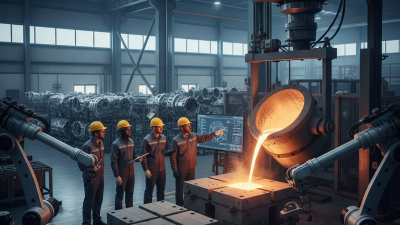
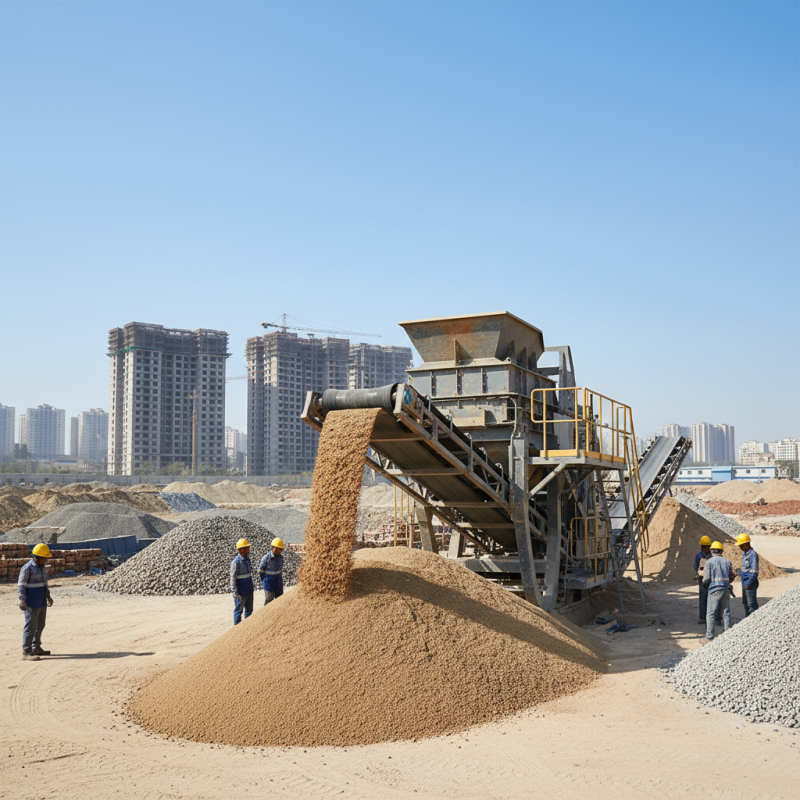
In today's modern industry, the demand for high-quality sand is ever-increasing. Sand manufacturing machines play a crucial role in meeting this need. These machines efficiently produce sand that meets specific grading and quality requirements. This is vital for construction, concrete production, and even glass manufacturing. Each application has its unique standards, and precise control in sand manufacturing helps achieve this.
However, not all sand manufacturing processes are perfect. Issues like inconsistent grain size can occur. This can compromise the final product's strength. Machines must be regularly calibrated and maintained to avoid these pitfalls. Additionally, the energy consumption of these machines can be high, posing a challenge for businesses aiming to be eco-friendly. While sand manufacturing machines are essential, they also come with a responsibility to improve efficiency and sustainability.
Investing in these machines is not just about production; it's about adapting to changing industry needs. Companies must constantly evaluate their operations to ensure they are competitive. Innovation in sand production technology is necessary for staying relevant. Embracing advancements while addressing environmental impacts is a complex yet crucial journey for any modern industry.
Sand Manufacturing Machines Usage in Different Industries
Key Benefits of Sand Manufacturing Machines in Construction Projects
When it comes to construction projects, sand manufacturing machines offer several distinct advantages. These machines produce high-quality sand consistently, ensuring uniformity. This is crucial for concrete and other materials requiring specific sand grades. A controlled environment boosts the reliability of the sand produced. Consistency is key to any construction project, and these machines excel in delivering it.
Using a sand manufacturing machine reduces reliance on natural sand. Over-extraction of natural resources harms the environment. By producing sand sustainably, businesses can contribute to eco-friendly practices. Additionally, operations become more efficient, reducing costs related to material sourcing. However, the initial investment in such machinery can be a hurdle for some. Balancing costs with long-term benefits is essential for decision-making.
Moreover, it's important to consider maintenance. These machines require regular check-ups to function optimally. Neglecting this leads to inefficiency and lower quality. There can also be learning curves for operators, needing training to maximize performance. Reflecting on these aspects can lead to better long-term choices in construction practices. The benefits of reliable, high-quality sand should not be overlooked for progress.
Cost Efficiency: Comparing Traditional Methods and Sand Manufacturing Machines
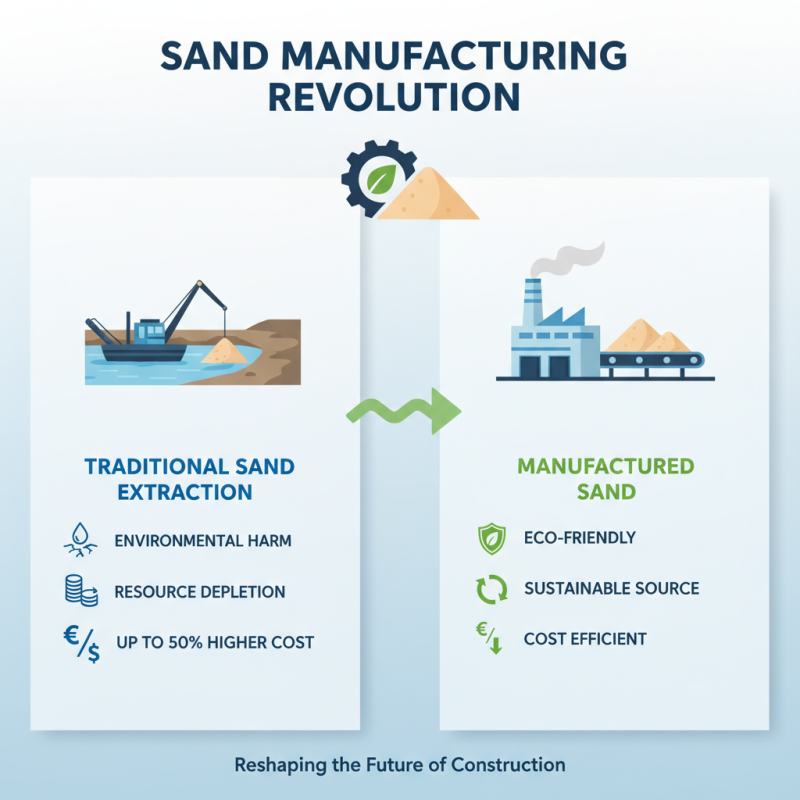
The shift to sand manufacturing machines is reshaping the industry. Traditional methods often rely on natural sand extraction. This causes environmental issues and depletion of resources. A recent report indicates that extracting natural sand can cost up to 50% more than using a manufactured alternative.
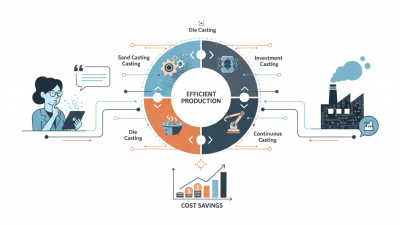
Manufactured sand offers better cost efficiency. Reports suggest a decrease in operational costs by about 30% when businesses switch to sand manufacturing machines. This includes lower transportation and processing expenses. Moreover, the quality of the produced sand is often superior, which reduces waste.
However, there are challenges. Transitioning to new machinery requires investment and training. Some businesses hesitate to make this shift, fearing the initial costs. The reality is that, over time, the savings can outweigh these concerns. Current studies show that companies embracing technology see better long-term profitability. Balancing immediate costs with future benefits is vital for success.
Sustainability Impact of Sand Manufacturing in the Construction Sector
The construction sector faces increasing pressure to adopt sustainable practices. Sand manufacturing presents a viable solution. Traditional sand extraction often leads to environmental degradation. In contrast, artificial sand production uses less water and generates less waste. Studies reveal that transitioning to manufactured sand can reduce carbon emissions by up to 30%.
One key benefit lies in resource conservation. Natural sand sources are depleting rapidly, with global demand projected to reach 15 billion tons by 2030. Utilizing manufactured sand helps preserve natural reserves. However, it's essential to ensure quality control in production. Some manufacturers struggle to match the performance characteristics of natural sand. Regular testing and optimization are crucial for maintaining high standards.
Tips for implementing sand manufacturing include:
- Focus on durability and grain shape.
- Aim for a uniform particle size. This improves concrete strength.
- Consider investing in energy-efficient machinery. It can significantly lower operational costs.
Keep in mind that while there are advantages, the initial setup can be costly.
Careful planning is needed.
Technological Advances in Sand Manufacturing Machines and Their Implications
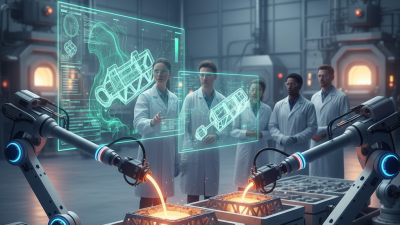
The landscape of sand manufacturing has evolved significantly in recent years. Technological advances have introduced more efficient machines that enhance productivity. These machines use automation and advanced materials to streamline operations. As a result, businesses can fulfill increasing demand with greater speed and precision.
Modern sand manufacturing machines also offer flexibility. They can produce different sand types with minimal downtime. This adaptability is crucial in a competitive market. However, integrating new technology can be challenging for some companies. Training staff to use advanced equipment requires time and resources.
Data analysis plays a vital role in these machines. They collect performance metrics to identify areas for improvement. Yet, not all businesses leverage this feature effectively. Some may overlook the importance of data-driven decisions. Embracing technology means businesses must continually adapt and reflect on their practices. Balancing innovation with operational realities is key.
Why Choose Sand Manufacturing Machine for Your Business Needs?
| Feature |
Traditional Method |
Sand Manufacturing Machine |
| Production Speed |
Low |
High |
| Quality Consistency |
Varies |
High |
| Labor Requirement |
High |
Low |
| Material Utilization |
Lower |
Higher |
| Environmental Impact |
Higher |
Lower |
| Investment Cost |
Lower |
Higher |
| Long-term ROI |
Lower |
Higher |

 +86-13516964051


 CONTACT NUMBER
 CONTACT NUMBER