How to Choose the Best Aluminum Casting Machine at Canton Fair?
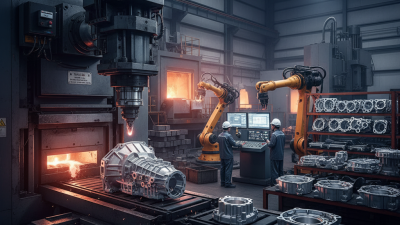
Choosing the right Aluminum Casting Machine at the Canton Fair is essential for manufacturers. The event showcases advanced technology and innovative machinery. In 2026, visitors can experience state-of-the-art casting machines, focusing on quality and efficiency.
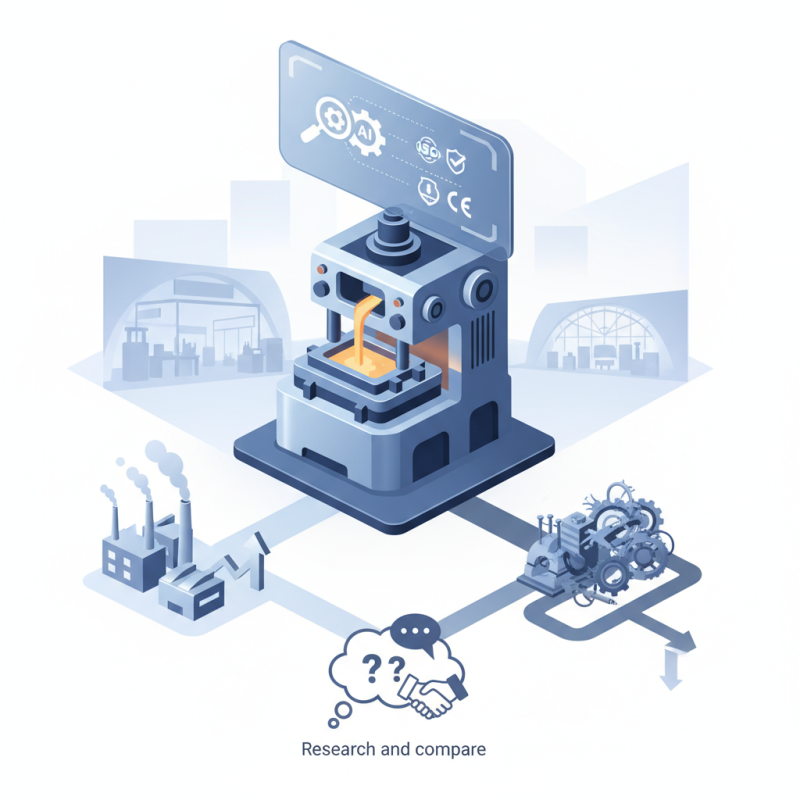
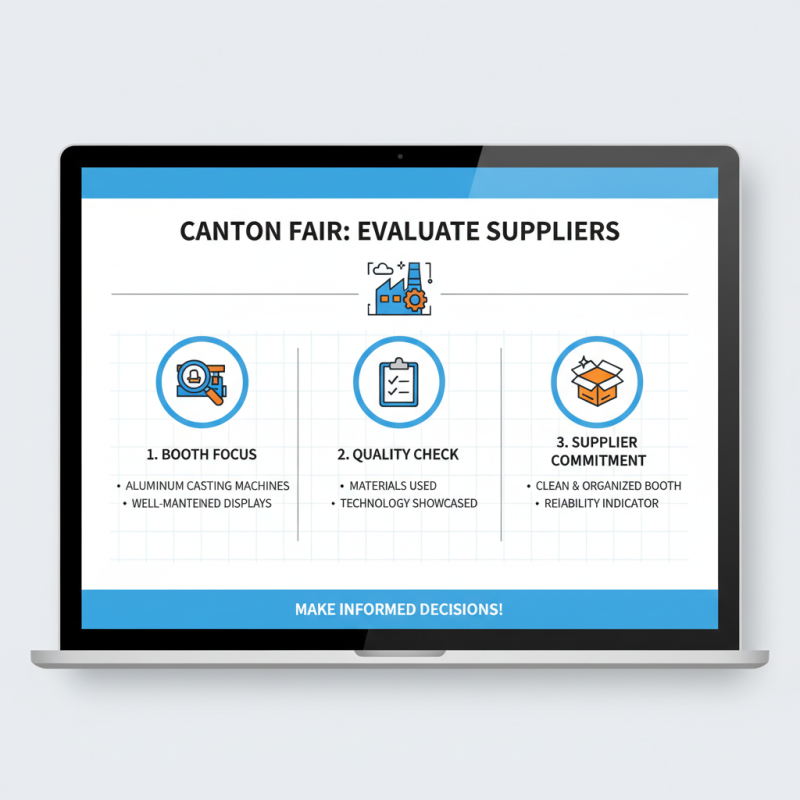
With the introduction of AI tools, the Fair offers enhanced navigation. Attendees can quickly find suppliers meeting certifications like ISO and CE. This feature saves time and ensures you locate the best Aluminum Casting Machine suited to your needs.
However, not all machines will meet your expectations. It's crucial to research and compare options carefully. Some exhibitors may oversell their products. Be prepared to ask questions and seek demonstrations. This approach helps ensure you invest wisely in machinery that enhances your production capabilities.
Understanding the Basics of Aluminum Casting Machines
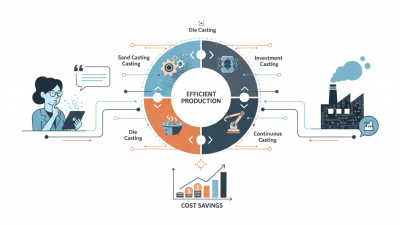
Aluminum casting machines play a vital role in manufacturing. These machines allow for efficient and precise production of aluminum parts. Understanding how they work is essential for making the right choice. Different types of machines cater to various needs. You may encounter pressure die casting, gravity casting, and sand casting among others. Each has unique benefits and drawbacks.
When considering a machine, think about the production volume you need. Higher volumes may require more advanced machines, while smaller operations can work with more basic models. Pay attention to the machine's speed and accuracy too. These factors affect the overall quality of the parts produced. Furthermore, consider the energy efficiency of different models. Lower energy consumption can lead to significant cost savings.
Maintenance is another critical aspect to review. Machines need regular care to function well. Some models may require specialized skill sets for upkeep. This can lead to extra costs and time delays. Reflect on the availability of parts and support when selecting a machine. Overall, understanding the basics can guide your decision. The right information makes a significant difference in your investment.
How to Choose the Best Aluminum Casting Machine at Canton Fair?
| Machine Type |
Molding Method |
Capacity (kg/hour) |
Power Requirement (kW) |
Weight (kg) |
Price Range ($) |
| Horizontal Die Casting Machine |
Die Casting |
200 |
15 |
1000 |
25,000 - 35,000 |
| Vertical Die Casting Machine |
Die Casting |
150 |
10 |
800 |
20,000 - 30,000 |
| Gravity Die Casting Machine |
Gravity Casting |
100 |
8 |
600 |
15,000 - 25,000 |
| Low Pressure Die Casting Machine |
Low Pressure Casting |
120 |
12 |
900 |
18,000 - 28,000 |
| Centrifugal Casting Machine |
Centrifugal Casting |
80 |
6 |
750 |
12,000 - 20,000 |
Identifying Your Specific Needs for Aluminum Casting
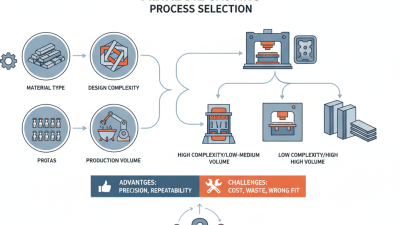
When considering an aluminum casting machine at the Canton Fair, identifying your specific needs is crucial. Start by evaluating production capacity. According to industry reports, manufacturers often experience up to a 30% efficiency gap when mismatched with machines. Determine your annual production volume. Are you aiming for high-volume runs or specialized outputs? This decision affects size and complexity requirements.
Next, consider the materials and types of aluminum alloys you will work with. Not all machines handle every alloy efficiently. Research suggests that machines optimized for specific alloys can improve yield rates by as much as 25%. If you're focused on precision components, look for advanced features that allow for tighter tolerances.
Lastly, reflect on the machine's energy consumption and maintenance. Studies indicate that approximately 15% of production costs can be attributed to energy use alone. Think about long-term costs. A machine might seem appealing at first glance, but hidden expenses can impact overall profitability. Being aware of potential trade-offs is essential. Will the machine have software updates? How easily can parts be sourced? These reflections can guide you towards a more informed decision.
Key Features to Look for in Aluminum Casting Machines
When selecting an aluminum casting machine at the Canton Fair, understanding key features is essential. One critical aspect is the machine's capacity. Top-tier machines often feature a capacity range from 150 to 1000 tons. This wide range allows for flexibility based on production needs. According to industry reports, machines with larger capacities often yield better efficiency. However, larger doesn’t always mean better. It’s essential to match machine capacity with production demands.
Another important feature to consider is the automation level. Machines offering high automation can significantly reduce labor costs. However, it’s vital to assess whether your operation truly needs full automation. Some reports estimate that fully automated systems can cut operational costs by up to 30%, but initial investments are substantial. Frequent technology updates may also be challenging for smaller businesses.
Energy efficiency is another key feature to look for. Machines with advanced energy-saving technologies can reduce operational costs. According to a recent study, energy-efficient machines can lower consumption by up to 20%. However, the upfront cost might be higher. Think carefully about long-term savings. Identify your specific production needs and balance your budget.
It's important to assess overall quality, including the durability of materials used in manufacturing. Everything matters, from the frame to the components. Cheaper options may compromise on quality, leading to higher repair costs later. As you navigate the fair, prioritize machines that align with your production goals while also considering operational efficiency and long-term reliability.
Making the Final Decision: Cost vs. Quality in Aluminum Casting Machines
When considering the cost versus quality in aluminum casting machines, striking the right balance is crucial. High-quality machines often come at a premium. However, lower-cost options might compromise durability and performance. This dilemma is common at trade shows like Canton Fair. Focus on what is essential for your specific needs.
**Tips:** Before deciding, compile a list of essential features. Determine which aspects are non-negotiable for your production line. Don't settle for the first attractive option you see. Explore various machines. Compare specifications and user reviews.
Evaluating cost can be tricky. A cheaper machine might save money upfront but lead to higher maintenance costs later. Quality machines, while expensive, can offer better efficiency and longevity. Gauge how much production downtime may cost you in the long run.
**Tips:** Always ask for demonstrations at the fair. Test machines to assess their operational feel. Reflect on whether you can afford to sacrifice quality for a lower price. Look for machines that fit your budget without trading off necessary features.

 +86-13516964051


 CONTACT NUMBER
 CONTACT NUMBER