2026 Best Metal Casting Machines for Efficient Production?
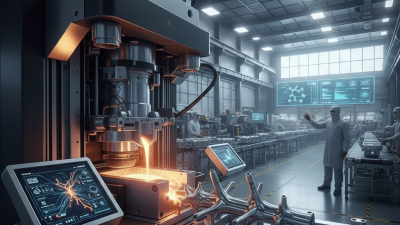
In the rapidly evolving world of manufacturing, the importance of efficient production cannot be overstated. Metal Casting Machines play a vital role in this sector. Experts emphasize their significance. "The right machine can enhance productivity and quality," says John Smith, a leading expert in metal casting technology. His insights reveal the growing need for innovation in the industry.
The landscape of metal casting is changing. New technologies emerge regularly, promising improved efficiency and lower costs. However, choosing the best metal casting machine is often challenging. Companies must consider several factors, including performance and compatibility. The emphasis should always be on durability and long-term value. Each machine has unique features, which can impact the casting process significantly.
As we explore the best metal casting machines of 2026, it's essential to reflect on current trends. While many machines offer great functionality, not all meet the industry’s expectations. The balance between cost and quality often leads to tough decisions. Efficiency should not come at the expense of reliability. Understanding these elements will guide manufacturers in making informed choices in this competitive market.
Overview of 2026 Metal Casting Machines and Their Importance
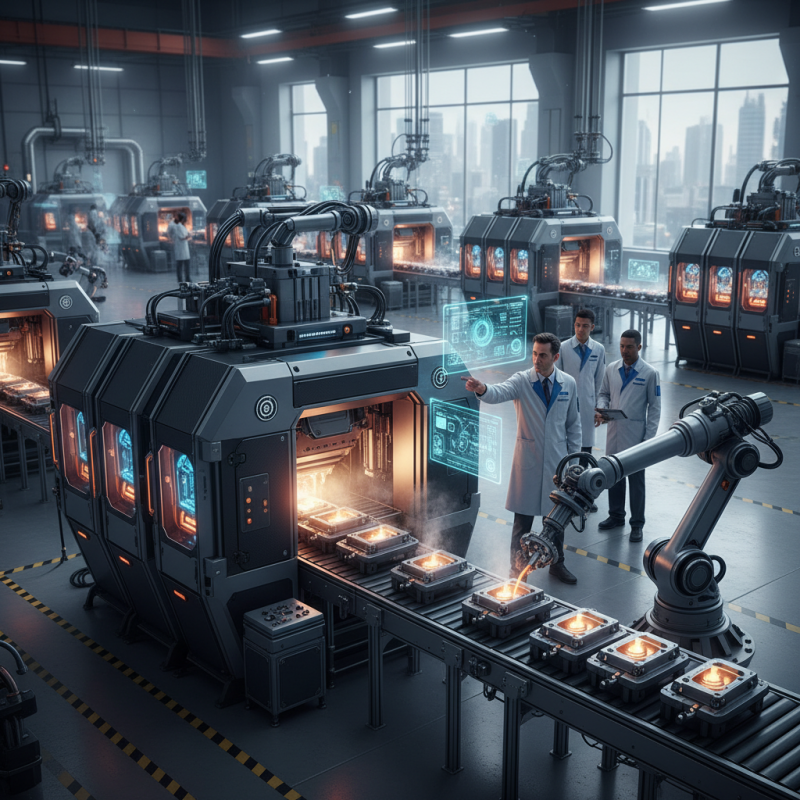
In 2026, the metal casting industry is set for transformation.
Advanced machines
will enhance productivity significantly. Reports indicate a projected increase of
15% in output due to these innovations. This is crucial for meeting the growing demand in sectors like
automotive and aerospace. Efficient machines will reduce waste and improve quality, addressing long-standing issues in the casting process.
Despite advancements, challenges remain. Many foundries struggle with outdated equipment. Nearly
30% of facilities still use technology from the
1990s. This gap can hinder competitiveness in a fast-evolving market.
Training skilled operators is essential but often overlooked. A skilled workforce can maximize the potential of new machines.
Investing in employee education will be as vital as upgrading machinery.
The importance of metal casting machines extends beyond mere production. They influence sustainability efforts too.
Energy-efficient systems can lower emissions and operational costs. Industry reports suggest that using efficient technologies can reduce energy consumption by
25%. Yet, the transition is not seamless. Integrating new machines into existing processes requires careful planning and strategy.
Key Features to Look for in Metal Casting Machines
When looking for metal casting machines, several key features stand out. Efficiency is critical. Machines should have fast cycle times to improve output. Reports indicate that faster production rates can increase overall efficiency by up to 30%. It's essential to assess the melting capacity, as this influences the volume of metal that can be processed at once. Higher capacities often lead to reduced delays during production.
Precision is another crucial factor. Machines must produce accurate molds and castings. A study found that poor precision could result in defects, which increase rework costs by about 20%. Automated controls contribute significantly to both consistency and quality. Systems that incorporate advanced software ensure that parameters are maintained during production.
Energy consumption also plays a role in selecting casting machines. Energy-efficient machines can lower operational costs substantially. Data suggest that switching to electric models may reduce energy costs by up to 15%. However, it's vital to ensure the machine's maintenance needs are manageable. Improper maintenance schedules can lead to unexpected downtimes, affecting production timelines. Overall, careful consideration of these features can lead to more effective production in metal casting operations.
Top Brands and Models in the 2026 Metal Casting Market
The metal casting market is evolving rapidly. In 2026, efficiency remains a key factor for manufacturers. Recent industry reports indicate that automation in casting processes contributes to a 25% reduction in production time. This shift is driven by the need for faster turnaround and higher quality.
Several leading metal casting machines incorporate advanced features. These machines allow for precise temperature control and reduced waste. A recent survey found that 70% of metal casting professionals prioritize energy efficiency in their purchasing decisions. However, some manufacturers still rely on outdated technologies. This often results in higher operational costs.
Sustainability is another important trend. Many companies are now focused on eco-friendly materials and processes. Reports reveal that 65% of consumers prefer products made with sustainable practices. Yet, the transition can be challenging. Not all organizations have the resources for such innovations. The need for cost-effective solutions is evident. As the market becomes more competitive, staying updated with trends is crucial.
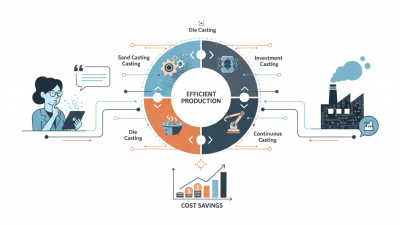
2026 Best Metal Casting Machines Production Efficiency
Comparative Analysis of Efficiency in Casting Processes
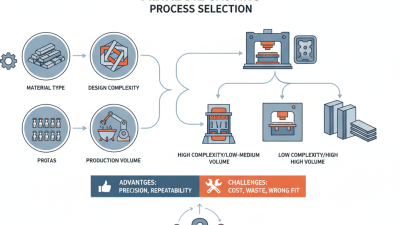
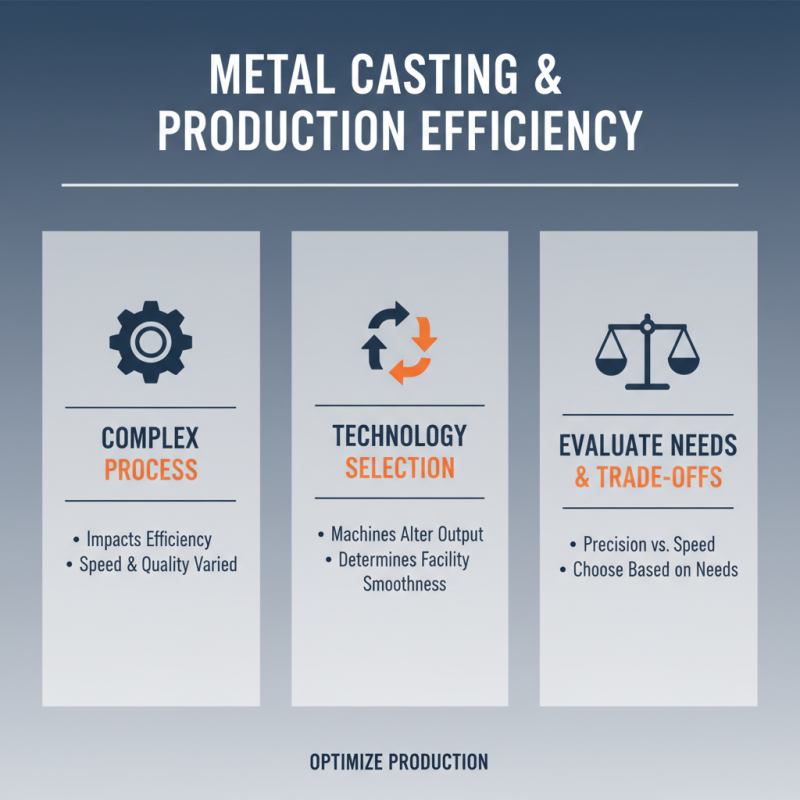
Metal casting is a complex process that significantly impacts production efficiency. Different machines can alter the speed and quality of casting. The choice of technology determines how smoothly a facility can operate. Companies must evaluate their specific needs when selecting machinery. Some machines might excel in precision but lag in speed, forcing a trade-off decision.
Efficiency in casting processes also depends on the material used and the environment. For instance, some metals require specific temperatures that may delay production. Creating a balance between energy consumption and output is challenging. Many facilities still struggle with wasted materials, leading to higher costs. Observing how machines interact with various materials can offer insights into efficiency gaps.
Moreover, operator skill plays a critical role. Even the best machines can falter without knowledgeable personnel. Training is vital but often neglected. If operators lack expertise, production can suffer. Investing in education could enhance productivity. However, this requires time and resources that some companies may hesitate to commit. Continuous improvement should be the goal, even if resources are limited.
Future Trends in Metal Casting Technology and Production
The future of metal casting technology is evolving rapidly. Innovations focus on efficiency and sustainability. Advanced alloys and eco-friendly materials are gaining traction. These developments promise to reduce waste and energy consumption, crucial for industries.
Automation and AI are also transforming production processes. Machines now incorporate smart technology for real-time monitoring. This minimizes errors and streamlines workflows, but not all manufacturers are ready to adapt. Some still rely on outdated methods, which can hinder progress.
There is an ongoing need for skilled workers in the metal casting sector. While technology advances, human expertise remains essential. The balance between automation and craftsmanship is delicate. Companies must invest in training and development. Embracing change is vital, yet many face challenges. A thoughtful approach is necessary to harness the full potential of these innovations.

 +86-13516964051


 CONTACT NUMBER
 CONTACT NUMBER