What Are the Benefits of Gravity Casting for Global Buyers?
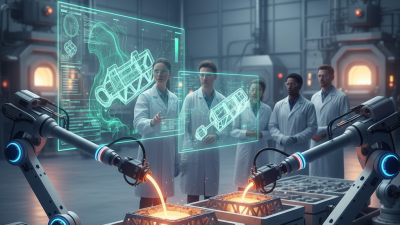
Gravity casting has become a significant process in the manufacturing industry, especially for global buyers seeking cost-effective solutions. Dr. Jane Thompson, a renowned expert in metal casting, emphasizes, “Gravity casting allows for precise control over the metal flow, ensuring uniformity in each part.” This technology enhances product quality, making it an attractive option.
The benefits of gravity casting extend beyond just precision. Reduced material waste and improved cycle times are also key advantages. This method allows manufacturers to produce complex shapes that meet demanding specifications. Buyers can appreciate the efficiency of gravity casting, which can lead to lower production costs. However, not every project is ideal for this method.
While gravity casting offers many advantages, there are challenges. For instance, achieving optimal designs requires skilled expertise. Manufacturers must ensure the right alloys and techniques are used. Additionally, some buyers may overlook potential limitations when selecting gravity casting. Therefore, understanding both the benefits and challenges will help make informed choices in the investment of gravity casting.
Overview of Gravity Casting Process and Its Applications
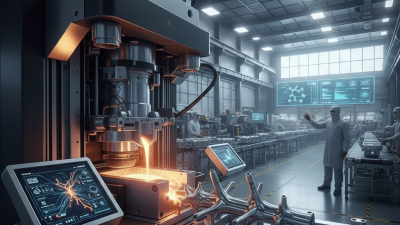
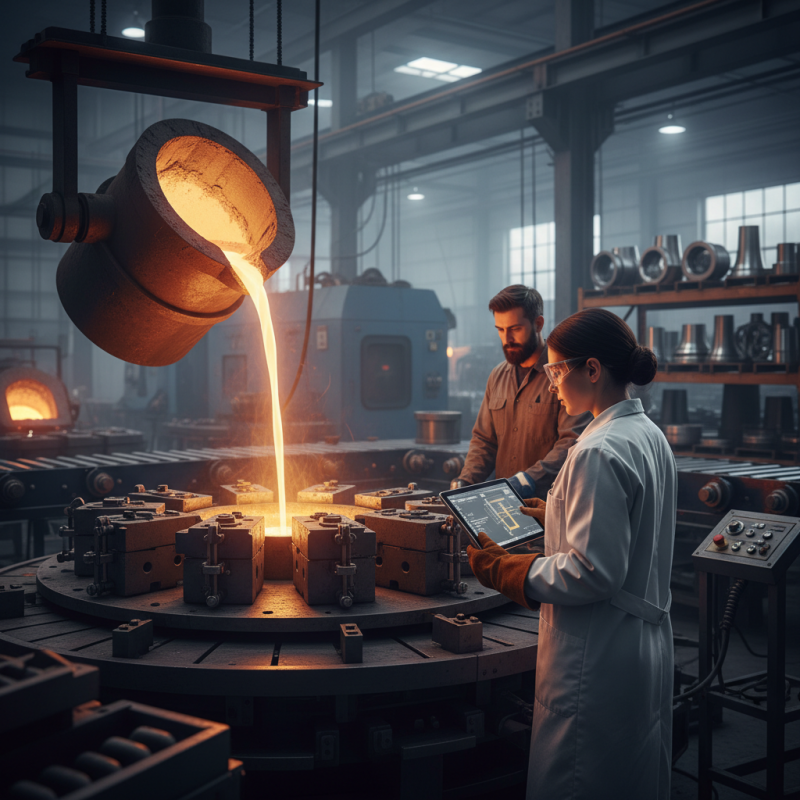
Gravity casting is a widely used process in manufacturing, known for its efficiency and precision. This method uses gravity to fill molds with molten metal. As the metal flows into the mold, it takes on the exact shape and details. This results in less waste and higher quality components. Applications are diverse, ranging from automotive parts to aerospace components.
The process begins with melting the alloy in a furnace. Once melted, the metal is poured into a sand or metal mold. Cooling takes place slowly, allowing for improved mechanical properties. Finished products exhibit strong structural integrity and excellent surface finishes. This is crucial for industries demanding reliability and performance.
However, gravity casting is not without its challenges. Mold design can be complex, requiring precise engineering. If the molds are not crafted well, flaws may occur. Additionally, the process might not be suitable for all materials. Testing and adjustments are often necessary to ensure optimal results. Collectively, these factors highlight the importance of skilled craftsmanship in gravity casting.
Cost Efficiency: How Gravity Casting Reduces Manufacturing Expenses
Gravity casting offers notable cost efficiency for manufacturers. This technique allows for the rapid production of high-quality metal parts. By utilizing gravity, the method minimizes waste and reduces the amount of material needed. Consequently, global buyers can benefit from lower raw material costs. Fewer defects lead to less rework and scrap, saving both time and money.
The simplicity of the gravity casting process also contributes to decreased manufacturing expenses. It requires less complex machinery compared to other casting methods. This straightforward setup translates to lower operational costs. Additionally, faster production speeds mean that orders can be fulfilled quickly.
However, it is essential to consider potential limitations. Not all alloys are suitable for gravity casting. Some applications may require more intricate designs that gravity casting cannot achieve. Companies must weigh these aspects carefully before fully committing to this method. Understanding these nuances can enhance decision-making for global buyers.
Quality Assurance: The Strengths of Gravity Casting in Product Durability
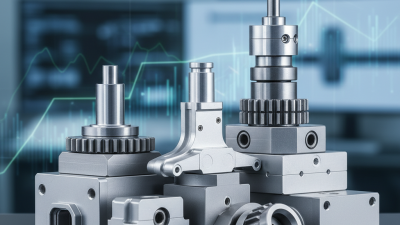
Gravity casting offers significant advantages in product durability, making it a preferred choice for manufacturers. The process involves pouring molten metal into a mold under the influence of gravity. This technique ensures a uniform structure, minimizing defects. The result is parts that are not only stronger but also more resilient to wear and tear.
An essential benefit of gravity casting is the reduced porosity in the finished products. This leads to improved mechanical properties, which are critical for components exposed to high stress or harsh environments. The method creates a denser alloy, enhancing the longevity of the products. However, achieving perfect density requires careful control of the casting parameters, which can be challenging.
While gravity casting is reliable, it might not be suitable for all applications. Some complex geometries may present challenges in filling the mold effectively. This limitation necessitates expertise in design and process management. Striking a balance between design complexity and the casting method is crucial for successful outcomes. It's essential for buyers to engage with experts who can navigate these challenges effectively.
Benefits of Gravity Casting for Global Buyers
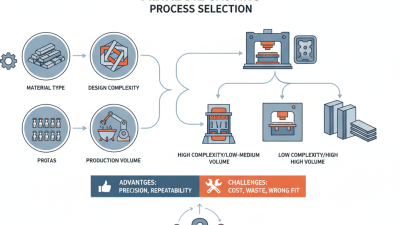
The chart above illustrates the various benefits of gravity casting as perceived by global buyers. Each benefit is rated on a scale of 1 to 10 based on importance, highlighting gravity casting's strengths in product durability, cost efficiency, and more.
Environmental Considerations: Sustainability in Gravity Casting Practices
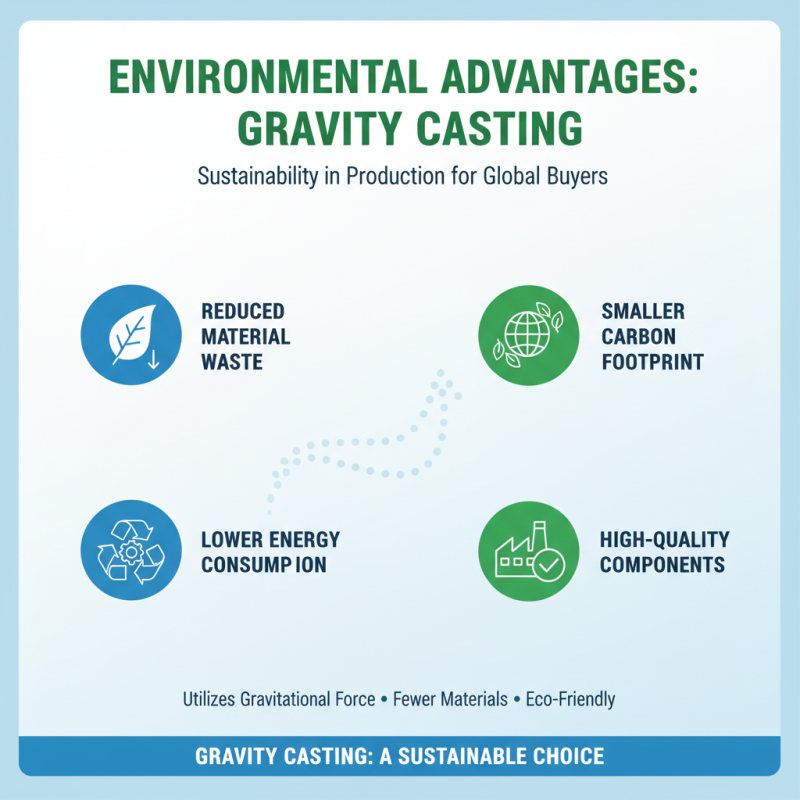
Gravity casting presents several environmental advantages that appeal to global buyers. This method uses gravitational force to pour molten metal into molds. Unlike other casting methods, gravity casting often requires fewer materials, reducing waste. The use of sustainable practices can minimize the carbon footprint of production. Workers can create high-quality components with less energy.
Sustainability in gravity casting involves careful selection of materials. Recycled metals can be an excellent option, cutting down the need for virgin resources. Alongside this, efficient practices can diminish the overall material consumption during production. The industry is encouraged to adopt eco-friendly coatings and lubricants. These small changes can lead to significant improvements in environmental impact.
Reflecting on these practices is essential. While gravity casting is generally more sustainable, it is not without challenges. Ensuring consistency while scaling up production may lead to higher resource consumption. Buyers must consider the long-term implications of their choices. Striking a balance between efficiency and sustainability is crucial in driving the industry forward.
Market Trends: The Growing Popularity of Gravity Casting Among Global Buyers
Gravity casting is gaining traction worldwide. Recent industry reports indicate significant growth in its adoption among manufacturers. The global market for gravity casting is projected to reach $12 billion by 2025. This increase is primarily due to its efficiency and reliability. Many companies are now turning to gravity casting for producing complex parts.
One major advantage is its ability to create intricate designs. Gravity casting allows for better precision in manufacturing. According to a study, components produced through gravity casting show up to 30% more dimensional accuracy than those made with alternative methods. This is crucial for industries like automotive and aerospace, where precision is non-negotiable.
However, some challenges exist in the gravity casting process. Poorly maintained equipment can lead to defects. Additionally, not all materials are suited for gravity casting. Companies must carefully evaluate their specific needs before making the switch. Embracing gravity casting requires thorough analysis but can lead to enhanced production capabilities.
What Are the Benefits of Gravity Casting for Global Buyers?
| Benefit |
Description |
Market Trend |
| Cost Efficiency |
Reduces material waste and energy consumption, lowering production costs. |
Steady increase in demand for cost-effective manufacturing processes. |
| High Quality |
Produces components with superior surface finishes and dimensional accuracy. |
Growing preference for high-performance components in various industries. |
| Versatility |
Applicable to a wide range of materials and component shapes. |
Increased adoption in diverse sectors, including automotive and aerospace. |
| Reduced Lead Times |
Faster production cycles compared to traditional casting methods. |
Rising demand for quicker turnaround in manufacturing. |
| Sustainability |
Lower energy required and less waste produced align with eco-friendly practices. |
Market trend towards sustainable manufacturing solutions. |

 +86-13516964051


 CONTACT NUMBER
 CONTACT NUMBER