2026 Top Trends in Aluminum Cast Parts What You Should Know?
The aluminum cast parts industry is evolving rapidly, driven by innovation and increasing demand. According to a report by MarketsandMarkets, the global aluminum casting market is projected to reach $40 billion by 2026. This growth highlights the importance of aluminum cast parts in various sectors, such as automotive and aerospace. Industry expert Dr. Emily Wang states, “Aluminum cast parts are not just components; they drive efficiency and sustainability in manufacturing.”
The trends in aluminum cast parts are shaping design and production processes. Lightweight materials are crucial for enhancing fuel efficiency in vehicles. Companies are investing in advanced technologies like 3D printing and automation to improve production efficiency. However, challenges remain. The industry faces issues like scrap rates and material recycling that require attention for long-term sustainability.
Understanding these trends is essential for manufacturers and consumers alike. By staying informed, stakeholders can make better decisions that embrace both innovation and responsibility in the aluminum cast parts market. This awareness can help drive further advancements while addressing the industry's imperfections.
2026 Overview of Aluminum Cast Parts Industry Trends
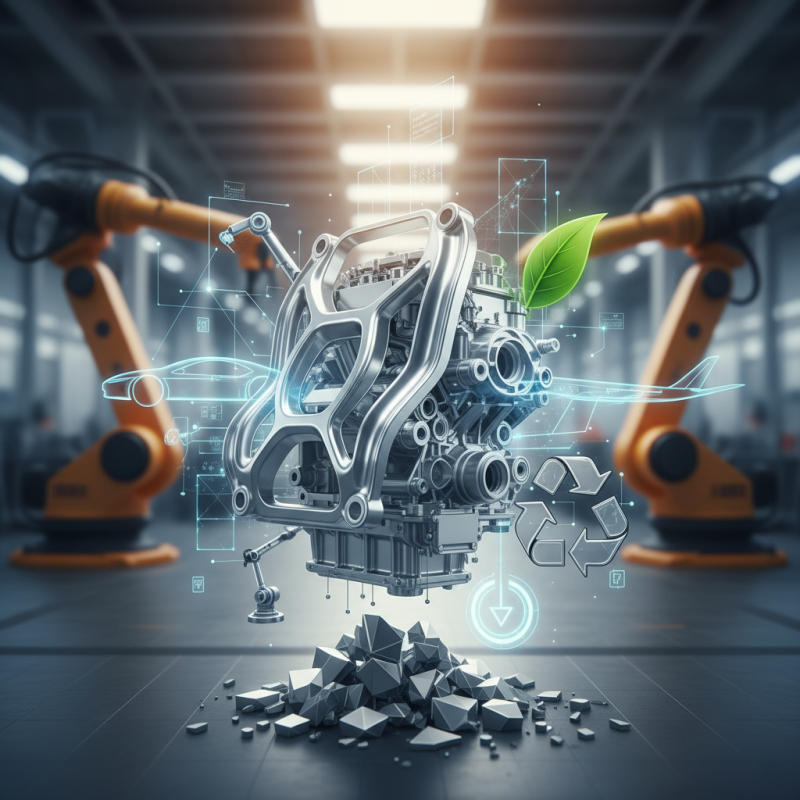
The aluminum cast parts industry is poised for growth in 2026. Advanced technologies are reshaping manufacturing processes. These innovations include enhanced casting techniques and improved alloy compositions. As companies adopt these advancements, production efficiency increases. However, challenges remain. There is a need for skilled labor to operate new machinery.
Sustainability is another focal point. Many manufacturers are exploring recycled aluminum. This move not only reduces waste but also conserves energy. Yet, the transition to greener practices can be slow. Companies may face hurdles in sourcing recycled materials. Additionally, product quality must remain high despite these changes.
Market demands are shifting, requiring greater customization. Customers want tailored solutions rather than one-size-fits-all products. This trend pushes manufacturers to be agile in their production. However, this flexibility might strain resources. Balancing customization with cost efficiency will be crucial as the industry evolves. The future of aluminum cast parts looks promising, yet it is fraught with potential pitfalls.
Emerging Technologies Influencing Aluminum Casting Processes
Emerging technologies are reshaping aluminum casting processes. Innovations in 3D printing are at the forefront. This method allows for intricate designs that traditional casting cannot easily achieve. It also cuts down on material waste. However, mastering the technology requires expertise. Not all foundries can transition smoothly.
The rise of artificial intelligence is another game changer. AI can optimize the casting process by predicting defects. It analyzes massive data sets to improve quality control. Still, reliance on algorithms poses risks. Data input must be accurate and updated regularly. Flawed data can lead to significant manufacturing issues.
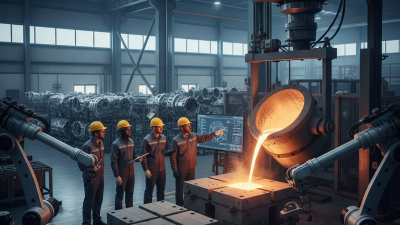
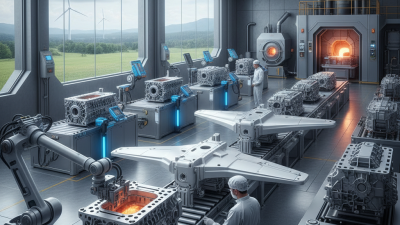
Automation is also making waves in aluminum casting. Robots are increasing efficiency in repetitive tasks. They enhance precision and speed, but they also raise questions about job displacement. While cost savings are evident, the industry's workforce must adapt. Continuous learning is essential for operators to work alongside machines.
2026 Top Trends in Aluminum Cast Parts
Sustainability Practices in Aluminum Casting for 2026
Sustainability is a vital trend in aluminum casting for 2026. As industries pivot towards greener practices, the aluminum casting sector is not lagging. According to a recent industry report, around 70% of aluminum produced globally comes from recycled sources. This shift significantly reduces energy consumption and carbon emissions. A typical aluminum recycling process uses only 5% of the energy required for new aluminum production.
In 2026, the use of eco-friendly materials will be paramount. Many manufacturers are exploring biocompatible and biodegradable coatings. These coatings help minimize environmental impact, though they can be less durable than traditional options. The challenge remains: balancing performance with sustainability.
Additionally, innovative casting techniques, such as 3D printing, are gaining traction. They enable on-demand production, reducing waste. However, adoption is uneven across the industry. Some companies hesitate due to high initial investments. It's clear that while strides are being made, the path toward comprehensive sustainability demands ongoing reflection and effort.
2026 Top Trends in Aluminum Cast Parts - Sustainability Practices in Aluminum Casting for 2026
| Trend |
Description |
Impact on Sustainability |
Estimated Adoption Rate (%) |
| Circular Economy Practices |
Increased recycling of aluminum scrap and usage of recycled materials in casting. |
Reduces waste and energy consumption, leading to lower carbon footprint. |
75% |
| Energy-Efficient Processes |
Adoption of advanced melting technologies that require less energy. |
Lowers greenhouse gas emissions from energy consumption. |
65% |
| Innovative Alloys |
Development of new aluminum alloys that enhance strength and corrosion resistance. |
Improves product lifespan, reducing the need for replacement and waste. |
70% |
| Digital Twin Technology |
Use of digital twin simulations to optimize casting processes and reduce defects. |
Minimizes waste and improves resource efficiency. |
60% |
| Supply Chain Transparency |
Enhanced tracking and tracing of materials for ethical sourcing. |
Encourages ethical practices and environmental responsibility. |
80% |
Market Demand and Supply Dynamics for Aluminum Cast Parts
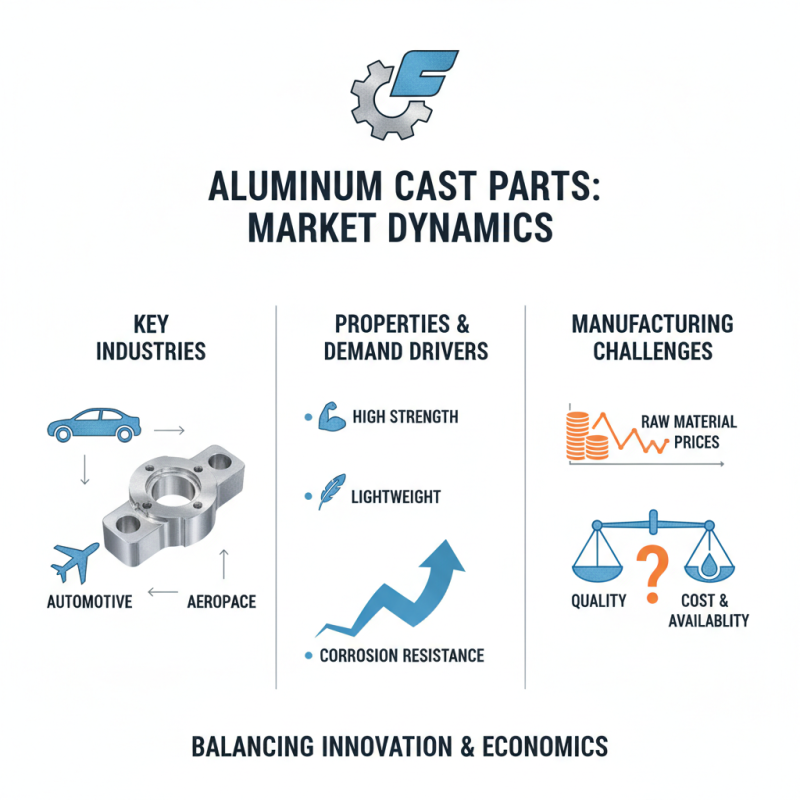
The demand for aluminum cast parts has been increasingly shaped by various market dynamics. Industries such as automotive and aerospace rely heavily on these components. High strength, lightweight properties, and corrosion resistance drive their popularity. However, fluctuations in raw material prices can impact production costs. Manufacturers grapple with balancing quality, cost, and availability.
Supply chain issues add another layer of complexity. Shortages of magnesium and silicon have caused delays. These are crucial elements in aluminum casting. Companies must adapt to maintain their output levels. Investing in alternative materials may not be a straightforward solution.
Environmental concerns also introduce new challenges. The push for sustainability affects casting processes and energy consumption. While some manufacturers are innovating to reduce their carbon footprint, others lag behind. This inconsistency creates uncertainty in the market. Striking a balance between efficiency and eco-friendliness remains a key struggle for many players in the aluminum casting sector.
Innovations in Design and Applications of Aluminum Cast Components
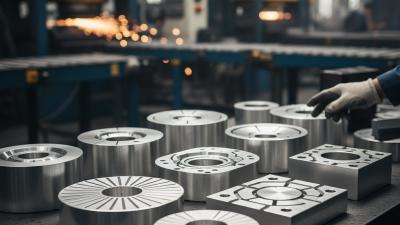
The innovations in aluminum cast components are reshaping various industries. Designers are increasingly focusing on lightweight materials. This shift offers improved efficiency and performance. Recent advances in casting technologies allow for more intricate designs. These designs often feature complex geometries that were not possible before. Enhanced aesthetics are also a consideration. The visual appeal of aluminum components is becoming crucial.
Another exciting trend is the application of aluminum in automotive sectors. The focus is on weight reduction and energy efficiency. Cars made with aluminum cast parts show improved fuel economy. Furthermore, in aerospace, aluminum’s role is expanding. Structurally efficient parts are pivotal for performance. Challenges remain, though. Achieving the right balance between
strength and weight requires ongoing research.
Sustainability is another important theme. Many manufacturers are exploring recycling methods for aluminum. However, not all methods are efficient or effective. There's still room for improvement in the recycling process. The push for environmentally friendly practices often reveals shortcomings. These areas need attention as the industry evolves. The exploration of aluminum cast components is just beginning.

 +86-13516964051


 CONTACT NUMBER
 CONTACT NUMBER