2026 Top Aluminum Alloy Die Casting Trends and Innovations to Watch?
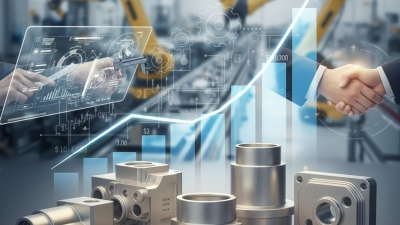
The landscape of Aluminum Alloy Die Casting is rapidly evolving. As industries seek lightweight and durable solutions, the demand for aluminum die casting is increasing. According to a recent report by Grand View Research, the global aluminum die casting market was valued at USD 6.21 billion in 2022 and is expected to expand at a CAGR of 5.5% from 2023 to 2030. This growth indicates a significant shift towards aluminum alloy applications in automotive, aerospace, and electronics sectors.
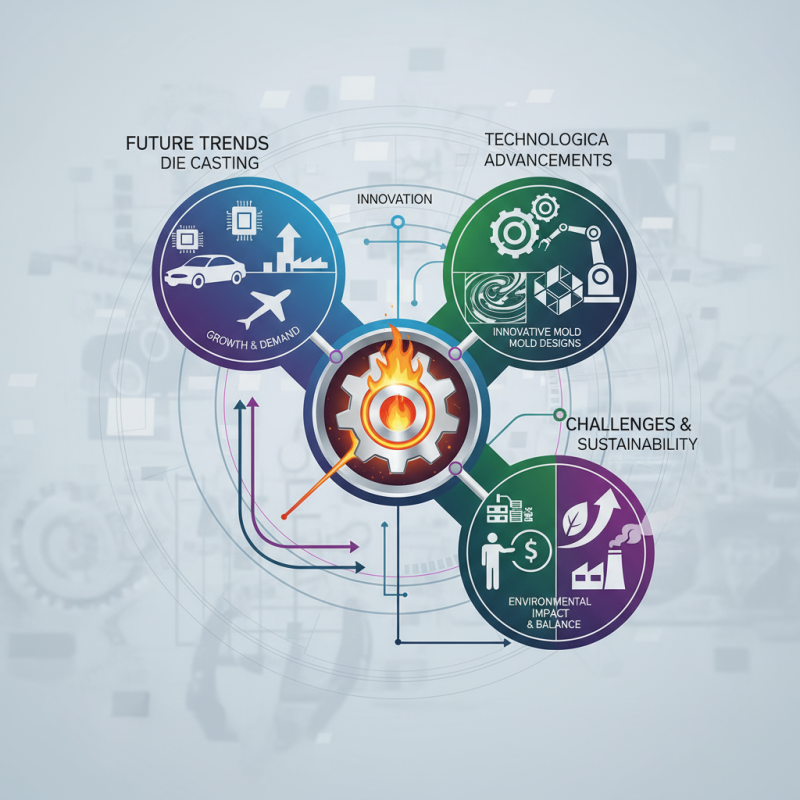
Innovations in this field are paving the way for new trends. Advanced technologies such as hybrid casting processes and innovative mold designs are gaining traction. Industry experts highlight that adaptation and investment in these technologies can strengthen competitive positioning. However, challenges persist. The need for skilled labor and the high costs associated with advanced machinery are frequent hurdles that manufacturers face.
While progress is evident, the industry must reflect on sustainability. The environmental impact of aluminum production requires attention. Striking a balance between innovation and ecological responsibility remains a crucial consideration. The journey of Aluminum Alloy Die Casting is dynamic and requires ongoing evaluation and strategic adjustment.
Overview of Aluminum Alloy Die Casting in 2026
The aluminum alloy die casting industry is evolving rapidly in 2026. This growth is driven by demands for lightweight yet durable components across various sectors. Reports indicate that lightweight automotive parts, for instance, continue to dominate the market, accounting for nearly 40% of aluminum die casting applications. As industries move towards sustainability, the push for recyclable materials is significant. However, challenges remain in recycling processes and energy consumption.
Investments in technology are reshaping production methods. Innovative die casting techniques, like
multi-slide and thin-wall casting, are gaining attention. These methods enhance precision and reduce material waste. A recent study noted that production efficiency could improve by up to 30% with these advancements. Yet, not all manufacturers are ready to adapt; many struggle with the cost of integrating new systems. The gap between market demand and manufacturing capability needs addressing.
Moreover, the trend of smart manufacturing is on the rise. The integration of IoT and automation promises greater efficiency and lower costs. Nevertheless, the workforce faces a skills gap in operating these advanced machines. Finding skilled labor remains a challenge, and companies must invest in training.
Balancing innovation with practical workforce solutions is crucial for success in the aluminum alloy die casting landscape in 2026.
Key Trends Shaping the Future of Aluminum Die Casting Technology
The landscape of aluminum die casting technology is evolving rapidly. Innovations are emerging that enhance efficiency and sustainability. Companies are increasingly focusing on reducing waste in production processes. This trend helps lower costs while preserving resources. Additionally, lightweight materials are gaining popularity. They improve fuel efficiency in transportation and machinery.
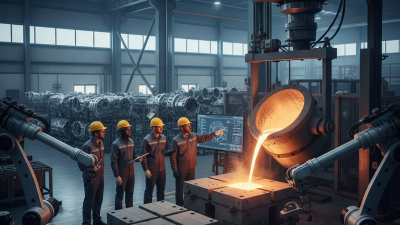
A shift towards automation is occurring. Robotic systems are taking over repetitive tasks. This move increases productivity and minimizes human error. However, not all companies have adapted. Some struggles remain in integrating these advanced technologies. Training employees effectively is crucial but can be challenging.
Sustainability is at the forefront of current trends. Many manufacturers are exploring recycled aluminum materials. Using these can significantly cut carbon footprints. Still, sourcing high-quality recycled materials can be difficult. Companies need to invest in better supply chain management. Ensuring quality while being eco-friendly is a delicate balance. This tension between innovation and practicality will shape the future of the industry.
2026 Trends in Aluminum Alloy Die Casting
Innovations in Materials: Next-Gen Aluminum Alloys for Die Casting
Innovations in aluminum alloys are reshaping die casting processes. The next generation of aluminum alloys promises enhanced strength and lower weight. These materials can improve efficiency and product lifespan. Engineers are experimenting with various alloy compositions to achieve better mechanical properties.
One notable trend is the use of alloying elements like zinc and copper. These additions can boost strength and corrosion resistance. However, some of these new alloys may have unpredictable behaviors during casting. It's essential to study their properties thoroughly before large-scale implementation.
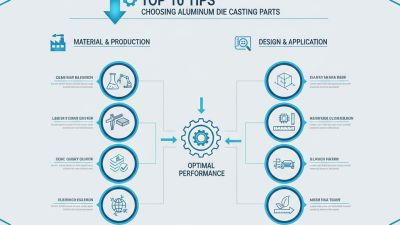
Tip: When selecting an alloy, consider both the mechanical requirements and the casting method. Optimize the design to reduce complexity. For specific projects, prototype testing can help identify potential issues early. This can save time and costs in the long run.
Sustainable Practices in Aluminum Die Casting: A 2026 Perspective
Sustainable practices in aluminum die casting are gaining momentum. In 2026, industry experts predict that eco-friendly processes will become mainstream. A recent report by the Global Aluminum Alliance indicates that the sector aims to reduce carbon emissions by 30% within the next five years.
One major trend involves integrating recycled aluminum into production. Currently, recycled aluminum uses 95% less energy compared to raw materials. Companies are reevaluating their sourcing strategies to prioritize sustainability. However, challenges remain. Some facilities struggle to maintain quality while using recycled content. This inconsistency can lead to serious quality control issues.
Water usage in die casting is another area of concern. Many companies are adopting closed-loop systems to minimize waste. This is essential, especially in regions facing water scarcity. Yet, not all plants have the resources to implement these changes. The investment required can deter some manufacturers. Balancing sustainability with operational costs will require ongoing innovation and commitment from the industry.
Emerging Applications and Market Demands for Aluminum Die Cast Products
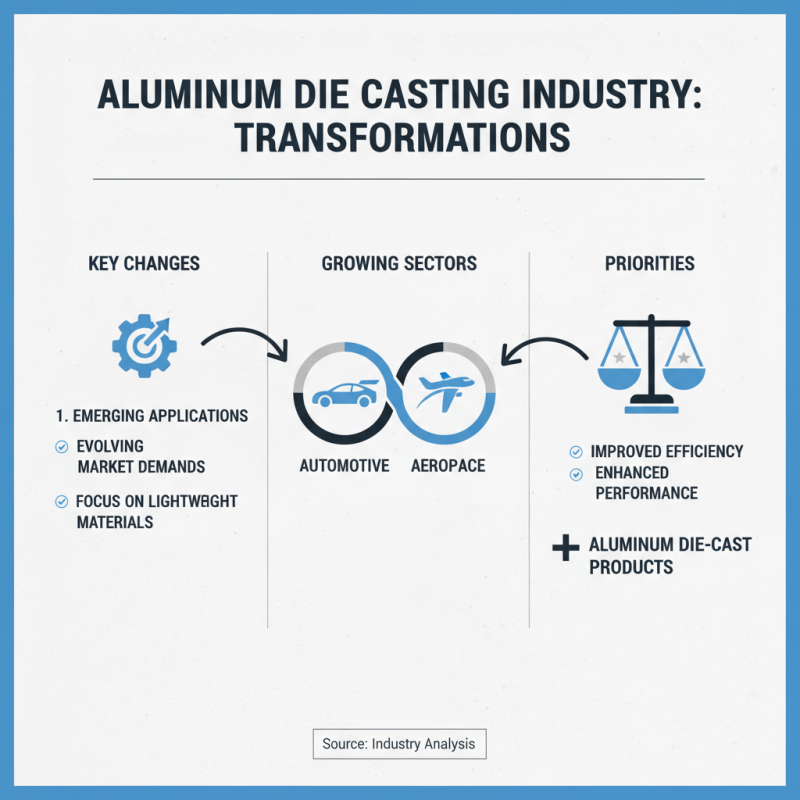
The aluminum die casting industry is witnessing significant transformations. Emerging applications are reshaping market demands. Industries like automotive and aerospace are increasingly relying on aluminum die-cast products. These sectors prioritize lightweight materials to improve efficiency and performance.
The sustainability movement is also influencing this market. Manufacturers are focusing on eco-friendly practices in production. Recyclability of aluminum is a key factor driving this trend. However, the challenge lies in balancing cost and environmental impact. Some companies may focus too much on sustainability, neglecting product innovation.
Additionally, the electronics sector shows growing interest in aluminum die casting. Devices require lightweight yet durable components. This trend is pushing manufacturers to innovate. They must create intricate designs while ensuring structural integrity. Yet, not every solution will meet user expectations, warranting constant revisions. The path forward will require careful consideration of evolving needs. Each step must reflect a commitment to both quality and innovation.

 +86-13516964051


 CONTACT NUMBER
 CONTACT NUMBER